2026 Best PVC Film Options for Every Application Inquiry?
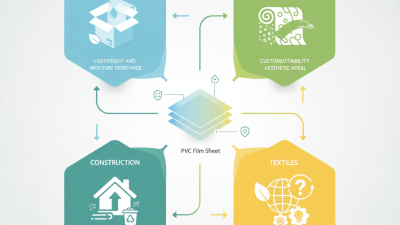
In today’s fast-evolving market, the demand for high-quality PVC film continues to rise across numerous sectors. As reported by Smithers Pira, the global demand for PVC film is projected to grow at a CAGR of 4.5% over the next five years. This ascent highlights the diverse applications of PVC film, ranging from packaging materials to automotive and construction industries.
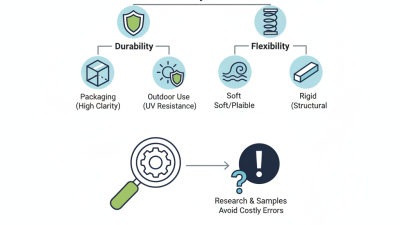
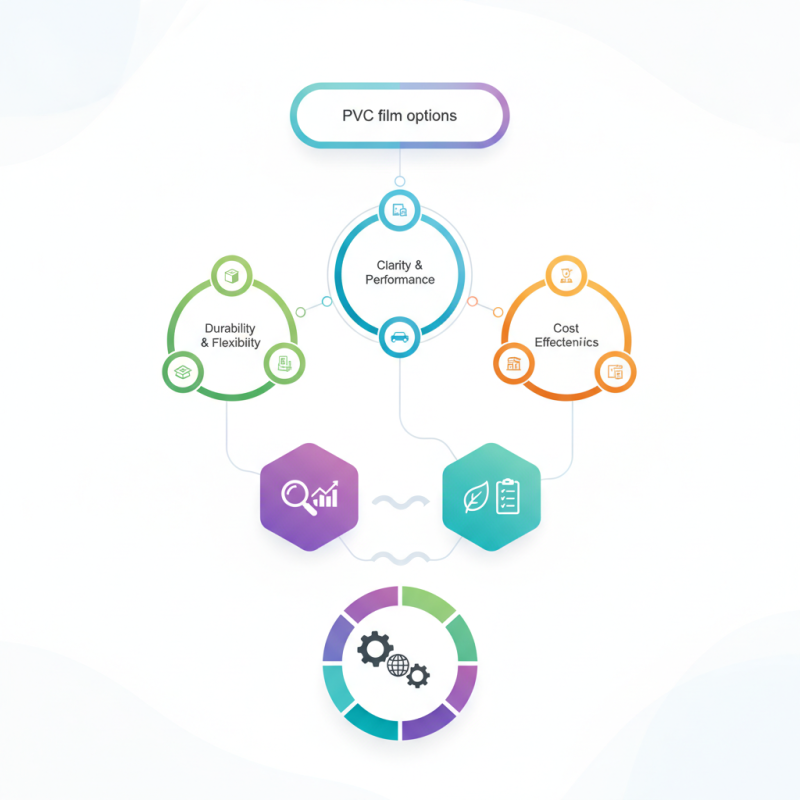
When selecting PVC film options for specific applications, it’s vital to consider factors such as durability, flexibility, and clarity. Many industries rely on this versatile material due to its cost-effectiveness and superior performance. However, choosing the right type of PVC film can be complex. Common pitfalls include misjudging the film’s durability or not accounting for application-specific requirements.
Industry experts emphasize the importance of making informed decisions based on comprehensive analysis and expert insights. Quality concerns, environmental impact, and regulatory compliance are key considerations. As the market matures, maintaining a reliable source of PVC film solutions becomes paramount for any organization looking to leverage its unique advantages. These areas reflect not only the vast potential of PVC film but also the ongoing need for critical evaluation in the selection process.
Overview of PVC Film Types and Their Properties
When considering PVC film options, understanding the various types and their properties is essential. PVC films are categorized mainly into flexible and rigid types. Flexible PVC films are widely used in packaging and automotive applications due to their excellent durability and versatility. Rigid PVC films, on the other hand, are often applied in signage and display applications. According to industry reports, the global PVC film market is projected to reach over $10 billion by 2026, showcasing its popularity across diverse sectors.
Tips: Always assess the film thickness and tensile strength. This data can greatly influence your choice based on the intended application. For instance, thicker films generally provide better resistance against physical damage. Moreover, consider the environmental impact. While PVC is recyclable, improper disposal can lead to long-term pollution.
Understanding the thermal and chemical resistance of PVC films is also crucial. Flexible PVC can withstand temperatures up to 60°C, while rigid types may endure higher ranges but are less suited for extreme conditions. Matching the film properties to your needs requires careful evaluation. Many users overlook the potential for shrinkage and fading over time. Anticipate these issues to enhance performance and longevity in its application.
2026 Best PVC Film Options for Every Application Inquiry
| Film Type |
Thickness (microns) |
Application |
UV Resistance |
Properties |
| Clear PVC Film |
100 |
Packaging |
Yes |
Transparent, High Clarity |
| Frosted PVC Film |
200 |
Window Decoration |
Moderate |
Translucent, Privacy Enhancing |
| Colored PVC Film |
150 |
Signage |
No |
Vibrant Colors, Good Durability |
| Textured PVC Film |
250 |
Interior Design |
Yes |
Stylish Finish, Moisture Resistant |
| Reflective PVC Film |
300 |
Safety Signs |
Yes |
High Visibility, Weather Resistant |
Common Applications for PVC Films in Various Industries
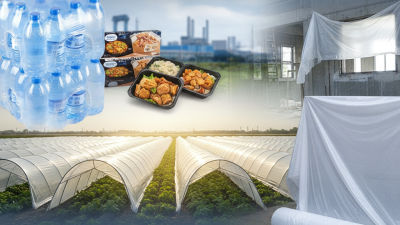
PVC films have a wide range of applications across multiple industries. In packaging, PVC films are known for their durability and clarity. They provide excellent barrier properties, making them ideal for food packaging. The transparency of these films allows consumers to see the product inside, which enhances appeal.
In the medical field, PVC films play a crucial role. They are often used in medical packaging to protect sterile instruments. The flexibility of these films allows for secure sealing, ensuring products remain uncontaminated. Additionally, PVC films are popular for producing disposable medical items like gloves and masks.
However, not all applications are perfect. Some users find PVC films can be less eco-friendly compared to other materials. This raises questions about sustainability in production and disposal. Addressing these concerns is vital for the future of PVC film usage in various industries. Companies must seek more sustainable practices to improve their environmental impact.
2026 Best PVC Film Usage by Industry
Factors to Consider When Choosing PVC Film
When choosing PVC film for various applications, several factors must be evaluated to ensure the best selection. Thickness is crucial; it impacts durability and flexibility. According to recent industry reports, films thicker than 0.5mm tend to perform better in demanding conditions. Clarity is another consideration, especially in food packaging. Clear films can enhance product presentation and visibility, contributing to sales.
Chemical resistance is vital for certain applications. Films used in environments with harsh chemicals need to withstand exposure without degrading. A study revealed that films formulated to resist specific chemicals last significantly longer, sometimes up to 40% more than others.
Tips: Always evaluate environmental conditions before selection. For example, UV protection might be necessary for outdoor applications. Additionally, consider how the film will be processed. Films that can withstand heat during sealing often deliver better results.
Finally, don't underestimate the importance of certification. Films meeting safety standards can reduce liability. If unsure, consult with industry experts to avoid costly mistakes. Balancing these factors will guide buyers toward the most effective PVC film options for their needs.
Comparative Analysis of Top 2026 PVC Film Brands
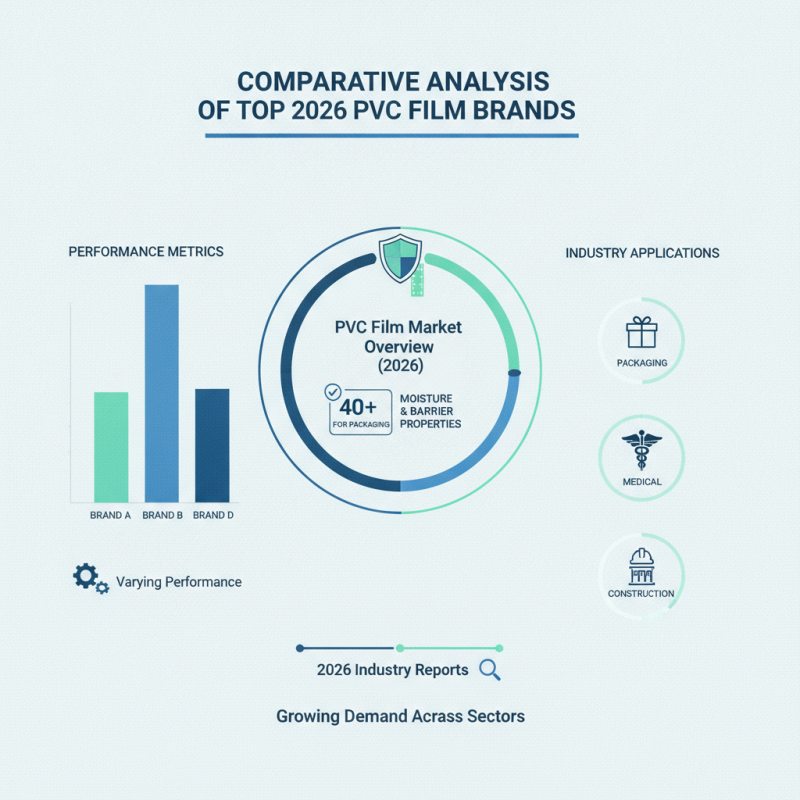
When exploring the 2026 PVC film market, numerous brands emerge with varying performance metrics. Industry reports indicate that PVC films are widely used across sectors, including packaging, medical, and construction. A recent analysis shows that over 40% of the PVC films utilized are for packaging applications. This highlights the demand for films that can withstand moisture and provide excellent barrier properties.
In evaluating the leading brands, it becomes evident that thickness and durability vary significantly. Some brands offer films as thin as 0.1 mm, while others provide sturdier options of 0.3 mm or more. These variations affect not only the film's strength but also its price point and application suitability. Notably, brands that offer laminating and additional treatments tend to excel in the marketplace, with performance ratings improving by as much as 25% in durability tests.
However, despite advancements, issues with production consistency often arise. Data suggest that up to 15% of PVC films can show irregularities in texture or clarity. This inconsistency can challenge manufacturers aiming for quality assurance. Additionally, sustainability concerns spark ongoing debates about the environmental impact of PVC use. Many brands are investing in research to produce more eco-friendly formulations, yet a gap remains. The conversation around recycling and lifespan of PVC films is increasingly relevant as industries seek to meet stricter environmental regulations.
Sustainability and Environmental Impact of PVC Film Usage
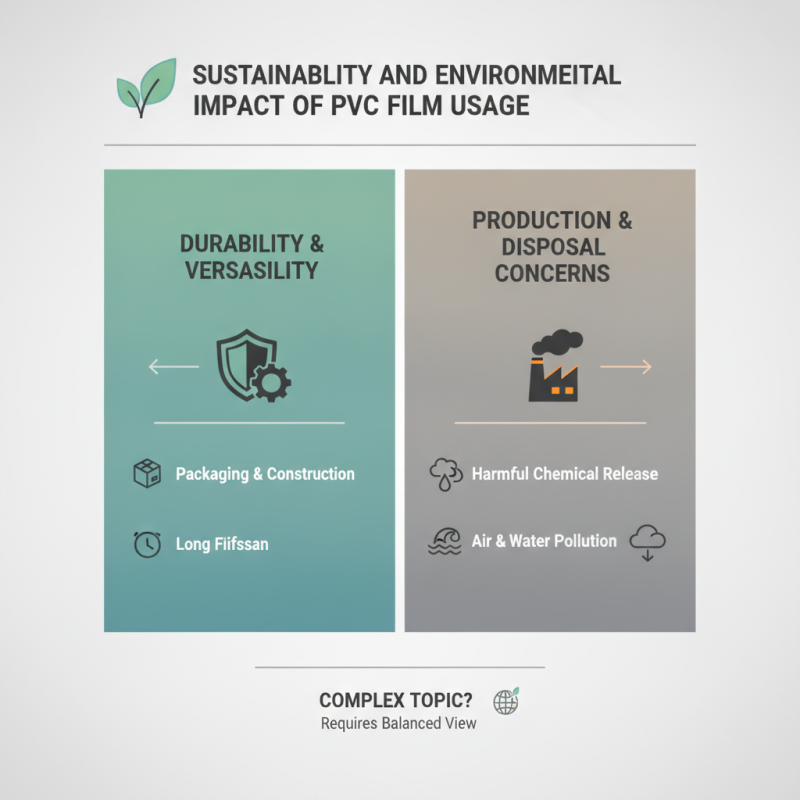
The environmental impact of PVC film is a complex topic. On one side, PVC films are durable and versatile. They serve various applications, from packaging to construction. However, their production and disposal raise significant concerns. PVC manufacturing can release harmful chemicals. These pollutants can affect air and water quality.
Recycling PVC film presents challenges. Although technically feasible, the infrastructure is often lacking. Many recycling facilities do not accept it, leading to increased waste. Improper disposal contributes to plastic pollution in landfills and oceans. This situation calls for reflection on our reliance on PVC.
Sustainable alternatives are emerging, but they often come with trade-offs. Biodegradable films may not offer the same durability or cost-effectiveness. It's crucial to balance performance with environmental responsibility. Awareness of PVC's impact can drive innovation in film options. As we consider the future, the challenge remains to prioritize sustainability without sacrificing functionality.