2026 Top PVC Blood Bag Features and Benefits for Buyers
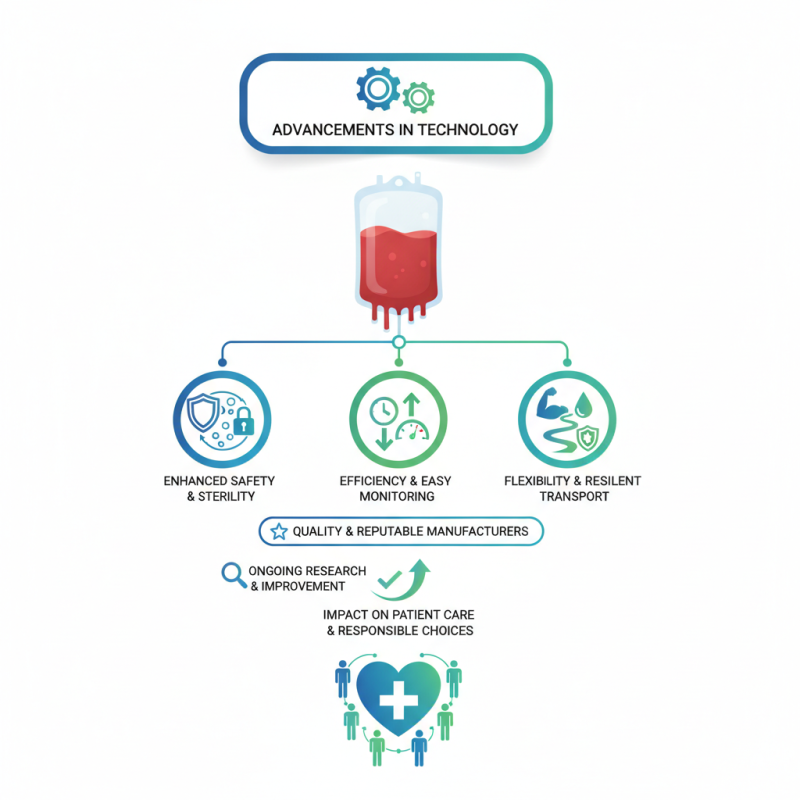
The demand for effective medical solutions continues to rise. Among these, the PVC blood bag plays a critical role in blood collection and storage. With advancements in technology, the 2026 models are set to enhance safety and efficiency. These bags offer flexibility and resilience, essential for transportation.
Today’s buyers should understand the unique features of PVC blood bags. They ensure sterility and reduce the risk of contamination. Moreover, the transparency of these bags allows for easy monitoring of the blood's condition. However, it is crucial to choose products from reputable manufacturers. This helps ensure quality and performance. Evaluating suppliers based on their expertise is vital.
While the benefits are evident, there is still room for improvement. Ongoing research can enhance the chemical properties of PVC blood bags. Buyers must stay informed on these developments. Selecting the right blood bag can significantly impact patient care. It's not just about purchasing; it's about making informed, responsible choices.
2026 Blood Bag Market Overview: Growth and Trends Analysis
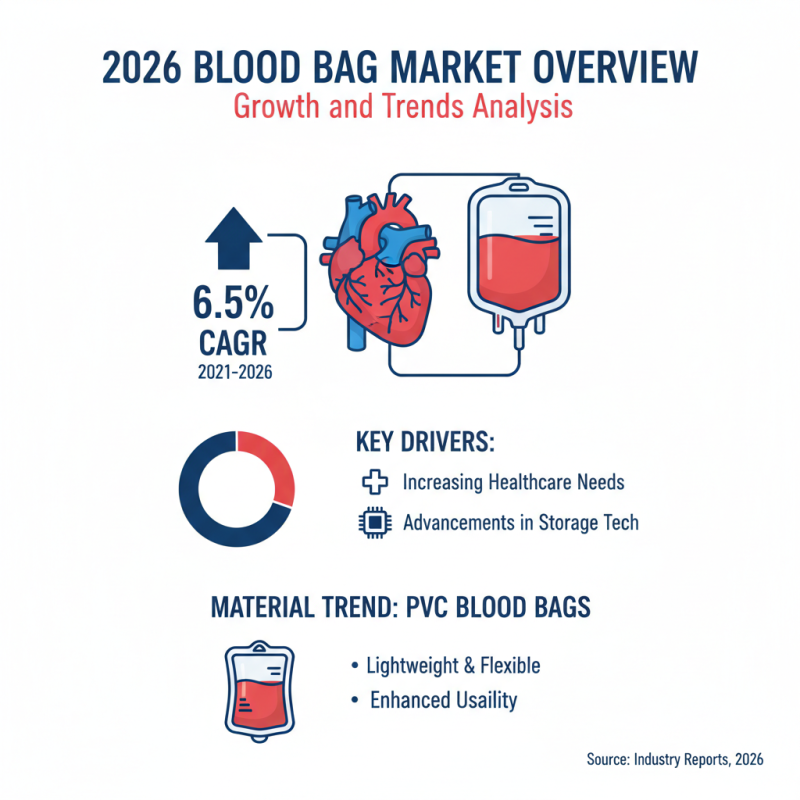
The global blood bag market is witnessing notable growth. According to industry reports, the market is expected to expand at a CAGR of 6.5% from 2021 to 2026. This growth is driven by increasing healthcare needs and advancements in blood storage technology. PVC blood bags, in particular, are gaining traction due to their lightweight nature and flexibility. These features enhance usability in various medical settings.
Research indicates that the rising prevalence of blood disorders is a significant factor in this market's evolution. Effective blood collection and storage solutions are critical in managing these conditions. The use of PVC blood bags not only improves shelf life but also ensures safety during transportation. Despite these advantages, quality control measures need improvement. Some reports indicate discrepancies in bag integrity during storage, emphasizing the need for stringent testing.
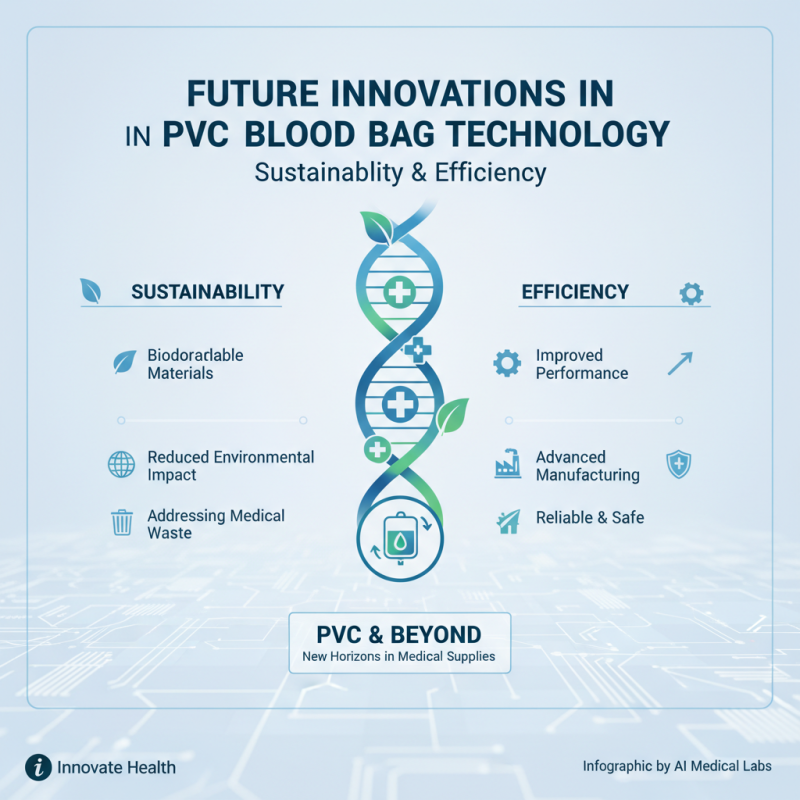
Moreover, the trend towards single-use and environmentally sustainable options is shaping buyer preferences. Many healthcare providers seek products that minimize contamination risks. However, the single-use aspect raises concerns regarding waste management. As a result, developing biodegradable options is essential. Stakeholders must address these challenges to navigate the evolving landscape of the blood bag market effectively.
Key Features of PVC Blood Bags: Durability, Safety, and Cost-Effectiveness
PVC blood bags have become a staple in medical settings, thanks to their unique features. One key aspect is their durability. Industry reports indicate that PVC bags can withstand harsh storage conditions. This resilience ensures that blood products remain viable longer, reducing waste. In fact, the average shelf life of blood stored in these bags can extend to 42 days, according to a study by the Journal of Blood Transfusion.
Safety is another essential feature. PVC blood bags are designed to be non-toxic and biocompatible. This minimizes the risk of adverse reactions during transfusions. Many experts emphasize the importance of regulatory compliance, as PVC bags meet global safety standards. Proper usage helps mitigate risks associated with blood transfusions. However, some studies urge better monitoring to prevent usage errors.
Cost-effectiveness is a significant benefit for healthcare facilities. Compared to other materials, PVC is relatively inexpensive. Reports show that blood banks can lower operational costs significantly by using PVC bags. Yet, some professionals caution about the environmental impact of PVC production. This highlights a need for further innovation in sustainable materials.
Comparative Benefits of PVC vs. Other Blood Bag Materials in Healthcare
In recent years, the choice of blood bag materials has become crucial for healthcare providers. PVC (polyvinyl chloride) bags are increasingly favored due to their excellent properties. According to a 2020 industry report, PVC blood bags have a lower incidence of leaks compared to bags made from other materials, such as polyolefin. This issue is critical because leaks can compromise blood safety and integrity.
The flexibility of PVC allows it to maintain its shape while being resistant to punctures. A study found that 85% of transfusion centers prefer PVC for these reasons. In contrast, other materials may offer limited shelf life or higher costs. For example, polyethylene blood bags may be cost-effective but lack the robust barrier properties of PVC. Furthermore, while more sustainable options like recyclable materials are emerging, they have yet to establish long-term reliability in clinical settings.
It's essential to acknowledge the potential downsides of PVC as well. The manufacturing process can involve harmful additives. Some healthcare facilities question the long-term stability of PVC when exposed to heat or light. Balancing the benefits of PVC with these concerns is ongoing. Each facility must weigh these factors based on their operational needs and patient safety.
2026 Top PVC Blood Bag Features and Benefits for Buyers
| Feature |
PVC Benefits |
Other Materials |
Comparative Benefits |
| Durability |
Highly resistant to breakage and punctures |
May be more prone to damage |
PVC offers superior durability |
| Cost-effectiveness |
Generally lower cost |
Usually higher material costs |
PVC is often more budget-friendly |
| Flexibility |
Excellent flexibility for bag design |
Flexibility may vary |
PVC's flexibility provides advantages |
| Sterilization |
Easily sterilizable |
Requires more complex sterilization |
PVC simplifies the sterilization process |
| Blood Compatibility |
Highly compatible with various blood types |
Compatibility varies; potential for hemolysis |
PVC is more reliable in blood compatibility |
Regulatory Standards Impacting PVC Blood Bag Production and Compliance
The production of PVC blood bags must adhere to stringent regulatory standards. Various organizations establish these guidelines to ensure safety and quality. These requirements impact the entire manufacturing process, from raw material selection to final product testing.
Manufacturers must prioritize compliance with standards such as ISO 13485 and FDA regulations. These guidelines focus on quality management systems and ensure that products meet health and safety criteria. However, meeting these standards can sometimes lead to higher production costs. Balancing quality and affordability remains a challenge.
Tips:
Invest in training for staff. Knowledgeable employees can help maintain compliance. Regular audits of production processes also promote adherence to standards. This can prevent costly recalls and improve product reliability.
Understanding the regulatory landscape can be complex. Many manufacturers encounter difficulties interpreting the evolving rules. Keeping updated with changes is essential for maintaining compliance. Collaboration with industry experts can offer invaluable insights into navigating these regulations.
2026 Top PVC Blood Bag Features and Benefits
This chart illustrates the importance rating of various features in PVC blood bags as perceived by buyers, emphasizing compliance with regulations, durability, cost-effectiveness, sterility, and design.