2026 Top PVC Blood Bag Innovations and Trends to Watch?
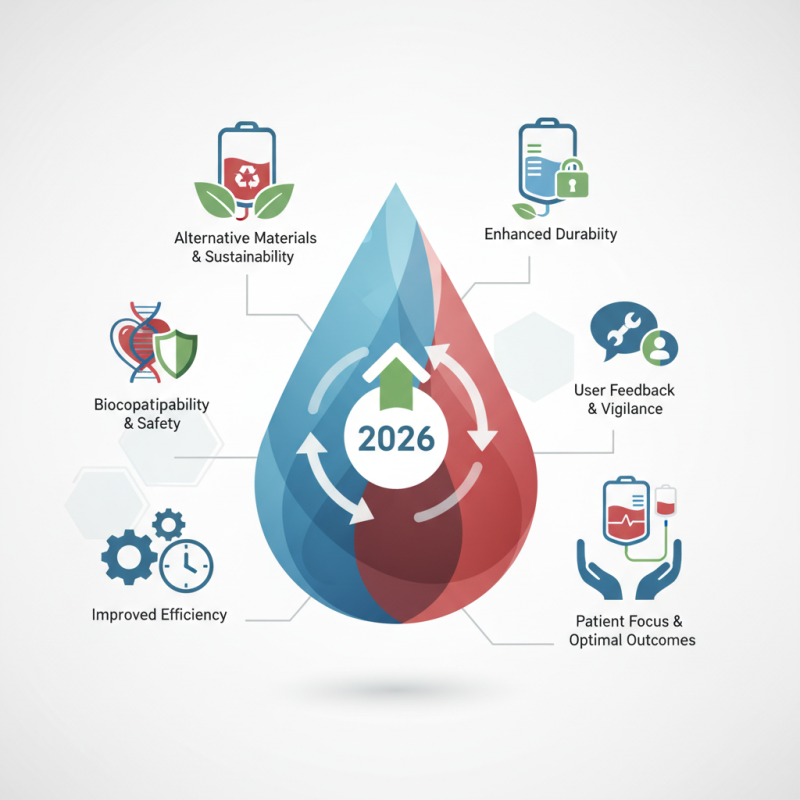
In recent years, innovations in the medical field have brought significant advancements. One key area of focus is the PVC blood bag. These bags play a vital role in blood storage and transfusion processes. As we look ahead to 2026, it is essential to identify emerging trends surrounding these products.
The evolution of PVC blood bags is influenced by challenging factors. Manufacturers seek to improve safety and efficiency. Some innovations aim to enhance biocompatibility. Others prioritize environmental concerns, exploring alternative materials. However, finding the right balance can be tricky.
Moreover, user feedback highlights some ongoing issues. For example, concerns about durability remain. If PVC blood bags cannot withstand certain conditions, it could jeopardize patient safety. As we observe these innovations in the industry, we should remain vigilant. Progress must be coupled with reflection to ensure optimal outcomes.
Emerging Technologies in PVC Blood Bag Production for 2026
In 2026, the production of PVC blood bags is set to undergo significant transformations.
Emerging technologies are reshaping how these vital bags are manufactured. Automation and robotics are improving efficiency.
They enhance precision, reducing human error during assembly.
Healthcare providers are increasingly prioritizing sustainability.
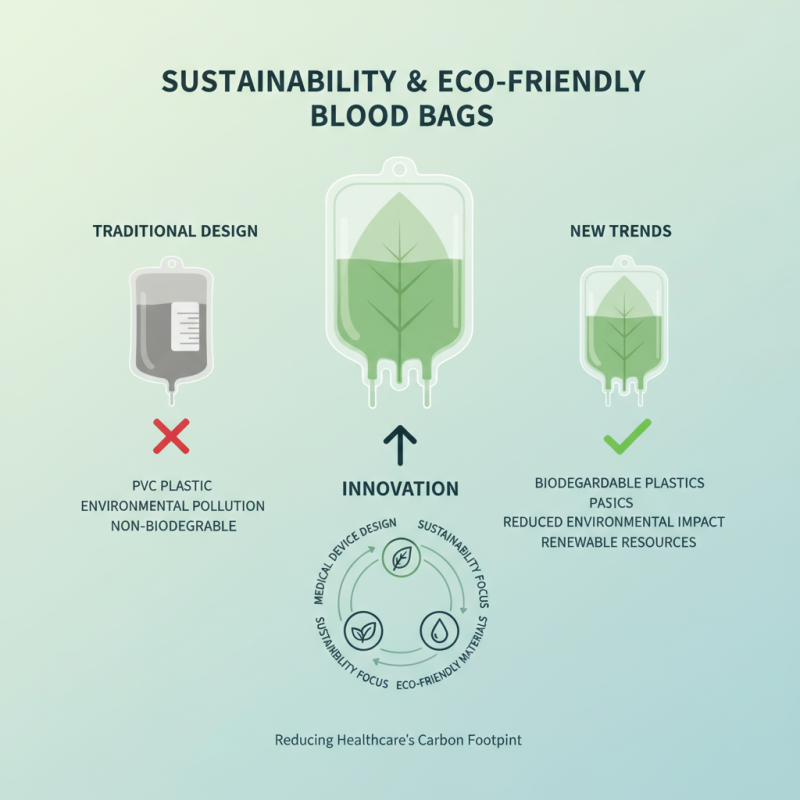
Biodegradable materials are gaining attention. Incorporating these materials into PVC blood bags could reduce environmental impact.
However, more research is needed to ensure compatibility with blood storage.
Tips: When selecting blood bags, consider their storage capabilities. Not all bags are created equal.
Compatibility with various blood types is crucial.
Also, stay informed about new regulations affecting blood bag production. This will help you make better choices.
Failure to adapt to changing technologies can be costly. As the demand for safer, more efficient medical supplies grows,
stagnant practices may lead to setbacks. Embracing innovation is essential for progress in healthcare.
Sustainability Trends and Eco-Friendly Materials in Blood Bag Design
In recent years, the focus on sustainability has shaped medical device design. Blood bags, crucial for donation and storage, are undergoing transformation. Innovations emphasize eco-friendly materials to reduce environmental impact. Biodegradable plastics are gaining attention, replacing traditional PVC.
However, the journey towards sustainability is not without challenges. Many eco-friendly alternatives are still in the development phase. Their performance, particularly in durability and sterility, is a concern. Balancing environmental benefits with medical requirements is complex.
Engaging in sustainable practices is a step forward. The shift towards recyclable and renewable resources must be accompanied by rigorous testing. As the industry adapts, continuous research is essential. It's imperative to reflect on the trade-offs in quality and safety as new materials emerge.
Smart Blood Bags: Integration of IoT and Monitoring Systems
The advent of smart technology in healthcare has transformed the blood bag sector. The integration of IoT and monitoring systems offers fascinating possibilities. According to recent data, over 70% of health professionals believe smart blood bags enhance safety and reduce errors. These bags can track storage conditions and notify staff if temperatures deviate from safe ranges.
Imagine a blood bag that communicates its status in real time. Sensors embedded within these bags can monitor temperature, humidity, and even detect leaks. This innovation addresses vulnerabilities in traditional storage methods. A significant percentage of blood supplies are wasted due to improper storage. The implementation of smart bags could potentially minimize this waste by 30%.
However, concerns linger about data security and system reliability. If a smart blood bag fails, it could create dire consequences. Hospitals must establish robust protocols to manage these technologies. Balancing innovation and safety is crucial. As the industry evolves, continuous evaluation of these innovations will be necessary.
2026 Top PVC Blood Bag Innovations and Trends to Watch
This chart illustrates the distribution of top PVC blood bag innovations and trends to watch in 2026, highlighting the increasing focus on IoT integration and smart monitoring systems.
Regulatory Changes Impacting PVC Blood Bag Innovations in 2026
In 2026, the landscape of PVC blood bag innovations will undergo significant changes due to
evolving regulatory standards. Recent data from industry reports indicate that over
75% of manufacturers are adapting to stricter regulations focused on
materials safety and recyclability. This shift aligns with increasing concerns over environmental impact
and patient safety. Regulations are tightening, pressing companies to innovate while ensuring compliance.
The new guidelines will likely lead to the development of more biocompatible materials.
Some projections suggest that these innovations could reduce adverse reactions by as much as
30%. However, challenges remain. Many manufacturers still rely on traditional PVC,
causing difficulties in transitioning to new materials. Additionally, the costs associated with
research and development of compliant alternatives could limit innovation in smaller firms.
These regulatory changes aim to enhance product safety but may inadvertently slow the pace of innovation.
As manufacturers work out the kinks in new designs, the industry may see a temporary decrease in product variety.
The balance between compliance and creativity will be a critical focus for stakeholders in the coming year.