2026 Top PVC Film Trends You Need to Know?
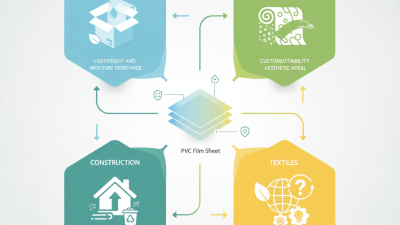
As we approach 2026, the PVC Film industry is poised for significant transformations. Research from MarketsandMarkets shows the global PVC film market is projected to reach USD 13.5 billion by 2026, growing at a CAGR of 5.8%. This growth is driven by the rising demand in packaging, construction, and automotive sectors. PVC Film has become essential due to its versatility and cost-effectiveness.
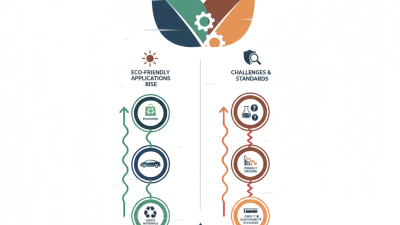
Innovative applications are emerging that highlight the flexibility of PVC Film. With increased sustainability efforts, manufacturers are exploring eco-friendly options. However, challenges exist. The industry must navigate fluctuating raw material prices and regulatory compliance issues. These factors could impact production timelines and costs.
Moreover, understanding consumer preferences is crucial. There is a growing inclination towards customizable packaging solutions and high-quality graphics. Brands focusing on these trends are likely to gain a competitive edge. The journey ahead for PVC Film is both promising and complex, making it vital for stakeholders to remain informed and adaptable.

Emerging Designs in PVC Films for 2026
As we approach 2026, the PVC film market is witnessing exciting changes. Emerging designs in PVC films are set to redefine various industries, including packaging, automotive, and construction. According to a recent report by Grand View Research, the global PVC film market is projected to reach USD 28.5 billion by 2026, with a compound annual growth rate of 4.2%. This growth is driven by innovative applications and a shift towards sustainability.
New trends focus on printed films with custom designs. These films not only enhance aesthetics but also add value to packaging by improving consumer experiences. Research reveals that more than 35% of consumers prefer products with creative packaging designs that catch their eye. Alongside aesthetics, functionality remains paramount. For instance, high-barrier PVC films are increasingly utilized to extend shelf life and reduce food waste. However, the industry faces challenges, such as the need for eco-friendly materials.
Efforts to produce recyclable and biodegradable PVC films are underway, yet advancements are still required. Manufacturers need to balance performance with sustainability. The quest for innovative materials poses a dual challenge; while new designs may arise, achieving compliance with environmental standards is crucial. As 2026 approaches, the industry must navigate these complexities to meet consumer demands and environmental obligations effectively.
2026 Top PVC Film Trends You Need to Know
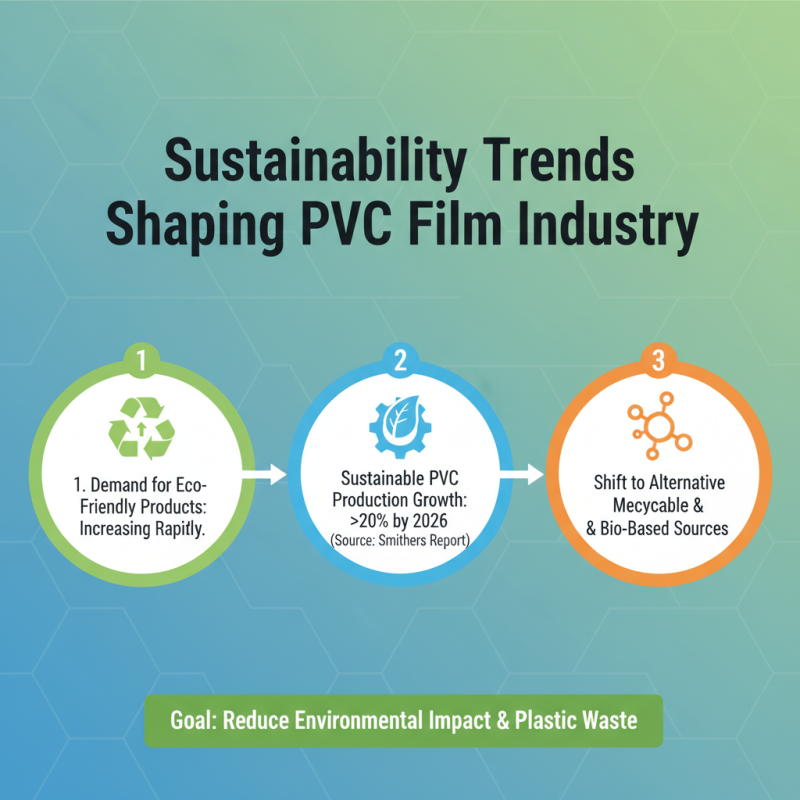
Sustainability Trends Shaping the PVC Film Industry
Sustainability is now a top priority in the PVC film industry. The demand for eco-friendly products is rapidly increasing. According to a recent report from Smithers, sustainable PVC production could grow by over 20% by 2026. Companies are actively seeking alternatives to traditional PVC, focusing on recyclable materials and bio-based sources. This shift aims to reduce the environmental impact of plastic waste.
In response to these trends, many manufacturers are investing in new technologies. Innovations like enhanced recycling processes are emerging. More than 30% of PVC films could be made from recycled materials by 2026. However, challenges remain. High production costs and the need for better recycling infrastructure hinder progress. The industry must address these barriers to succeed in the sustainability transition.
Consumer awareness is another crucial factor. As education about plastic waste rises, consumers demand greener products. A recent survey revealed that 70% of consumers prefer brands prioritizing sustainability. Packaging made from sustainable PVC can attract this eco-conscious demographic. The future of the PVC film industry lies in balancing innovation, cost, and consumer expectations while moving towards sustainability.
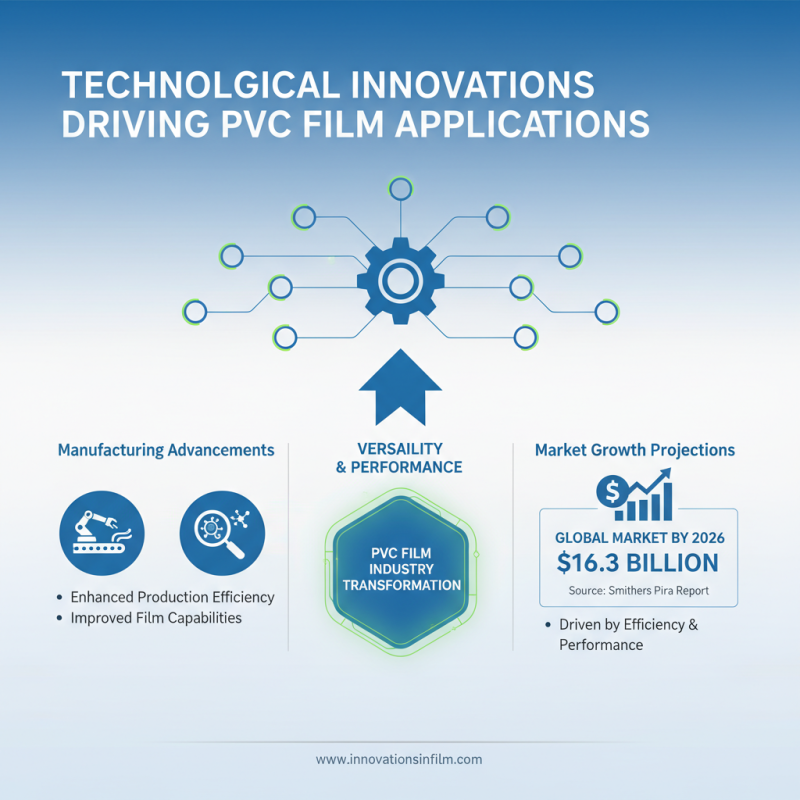
Technological Innovations Driving PVC Film Applications
The PVC film industry is undergoing a transformation driven by technological innovations. Advancements in manufacturing techniques are enhancing the capabilities of PVC films, making them more versatile. According to a recent report by Smithers Pira, the global PVC film market is projected to reach $16.3 billion by 2026. This growth is largely attributed to increased efficiency and performance in production processes.
One significant innovation is the development of lightweight and recyclable PVC films. Research indicates that lightweight materials can reduce transportation costs by up to 30%. This change addresses environmental concerns and meets new sustainability standards. Moreover, enhancing recyclability can potentially improve the lifecycle of these products, leading to better overall waste management practices.
Still, challenges remain. Manufacturers must adapt to evolving regulations regarding materials and sustainability. Adopting greener technologies can be a costly investment. There’s a need for ongoing research into biodegradable alternatives. Balancing innovation with environmental responsibility is crucial. The industry's future will depend on how well it addresses these complex issues while continuing to innovate.
Market Demand and Consumer Preferences for PVC Films
The market demand for PVC films is evolving rapidly, driven by consumer preferences across various sectors. Key applications include packaging, construction, and automotive industries. As sustainability becomes a priority, consumers prefer films that meet eco-friendly standards. Transparent, recyclable options are gaining traction. This shift emphasizes the need for manufacturers to adapt.
Tip: Analyze trends in consumer behavior. Understand what features they prioritize, whether it's durability or environmental impact.
Moreover, customization is increasingly popular among consumers. They want solutions tailored to their specific needs. This includes colors, thicknesses, and finishes. Such preferences push the industry to innovate continually. However, balancing customization with production efficiency can be challenging.
Tip: Invest in flexible manufacturing processes. This allows for quick adaptation to changing consumer demands.
There is also a noticeable inclination towards technology integration. Smart PVC films with embedded sensors offer new functionalities. These can monitor conditions and provide data in real-time. However, creating these advanced products can be complex.
Tip: Stay informed about technological advancements. Embrace them cautiously to ensure they align with consumer expectations.
Regulatory Influences Impacting PVC Film Production in 2026
The regulatory landscape surrounding PVC film production is evolving rapidly as we approach 2026. Governments are setting stricter guidelines for sustainability and environmental safety. A recent industry report highlights that nearly 70% of PVC film producers anticipate changes in compliance requirements. This shift is primarily driven by increased awareness of plastic pollution and the need for recycling initiatives.
The European Union's stringent regulations on phthalates and lead in PVC have already influenced production methods. These regulations push manufacturers to seek alternative, safer materials. About 55% of industry professionals are investing in greener technologies. This trend toward sustainable practices is essential as market demand for eco-friendly products rises.
However, challenges remain. Many small to medium-sized companies struggle to adapt to new regulations. They often lack the resources to transition smoothly. This adaptive gap risks creating a divide in the market. As regulations tighten, companies must balance compliance, production costs, and consumer expectations. Addressing these challenges will be critical for sustained growth in the PVC film industry come 2026.
2026 Top PVC Film Trends You Need to Know? - Regulatory Influences Impacting PVC Film Production in 2026
| Trend |
Description |
Impact Level |
Regulatory Influence |
| Sustainable Materials |
Increased use of eco-friendly additives in PVC film. |
High |
Stricter waste management regulations. |
| Advanced Coating Technologies |
Enhanced durability and performance through new coatings. |
Medium |
Regulatory guidelines for chemical safety. |
| Recycling Initiatives |
Emphasis on creating recyclable PVC films. |
High |
Increasing pressure from environmental policies. |
| Biodegradable Options |
Introduction of biodegradation-friendly PVC alternatives. |
Medium |
Regulatory incentives for biodegradable materials. |
| Digital Printing Capabilities |
Growth in digital printing demand for customization. |
High |
Compliance with digital printing standards. |