2026 Top PVC Sheet Types for Your Projects and Applications?
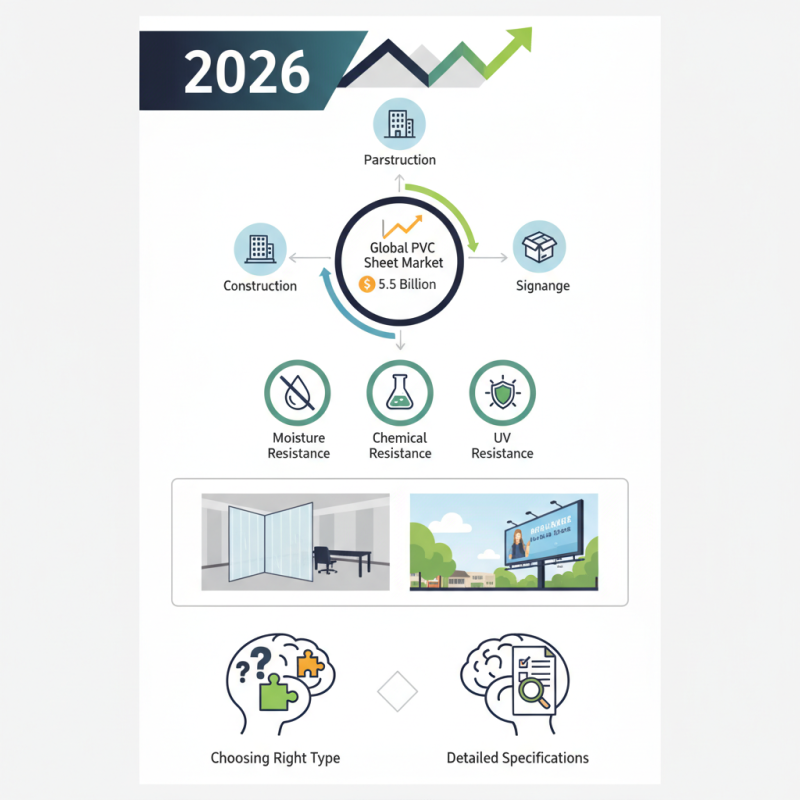
The demand for PVC sheets continues to rise across various industries. According to a recent report by Smithers, the global PVC sheet market is predicted to reach $5.5 billion by 2026. This growth can be attributed to the material's versatility, affordability, and durability.
PVC sheets are favored in construction, packaging, and signage applications. They offer exceptional resistance to moisture, chemicals, and UV light. Projects ranging from indoor partitions to outdoor signage benefit from their unique properties. However, not all PVC sheets are created equal. Different types exist, each suiting specific needs.
Choosing the right PVC sheet can be challenging. It requires understanding both project requirements and material options. While some sheets may excel in certain situations, they might fall short in others. Reflection on past selections can lead to more informed choices. Emphasizing the need for detailed specifications is crucial in this evolving market.
Types of PVC Sheets: An Overview of Material Varieties
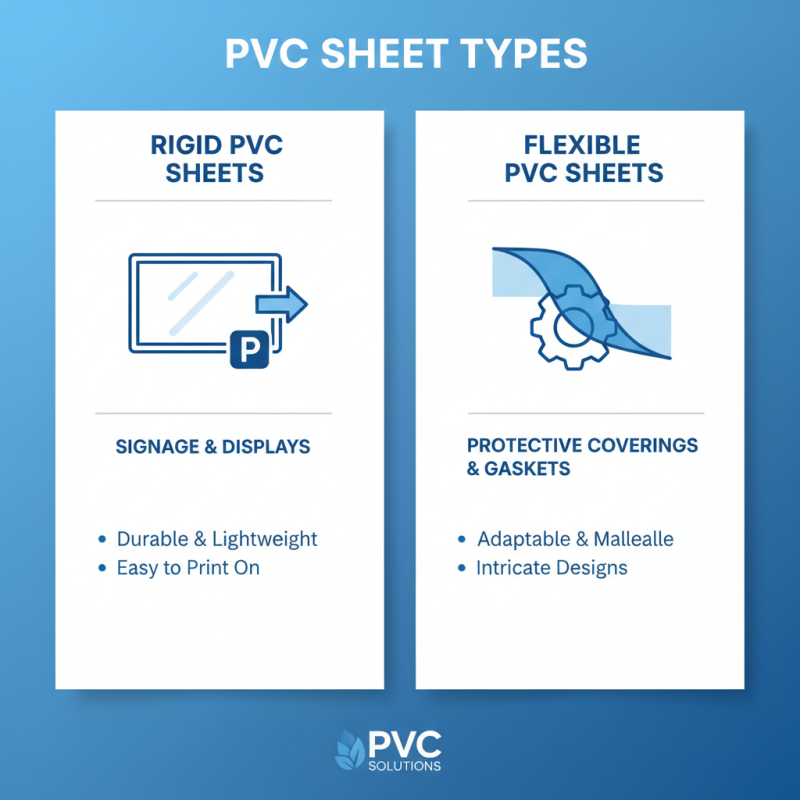
When selecting PVC sheets for various projects, understanding their types is crucial. PVC sheets come in several forms, each suited for specific applications. Rigid PVC sheets are popular for signage and displays. They are durable, lightweight, and easy to print on. Flexible PVC sheets, on the other hand, are great for protective coverings and gaskets. Their adaptability allows for better handling in intricate designs.
Another type is foamed PVC, known for its low density and excellent insulation properties. This variant is often used in construction and furniture. It's important to consider the thickness of these sheets since it impacts their strength. Thinner sheets might warp or bend under pressure, which can be a concern for certain projects. Thus, evaluating the requirements before selection is necessary.
On the other hand, understanding their limitations is also vital. For example, while PVC sheets can withstand moisture, they may not perform well in extreme heat. This can lead to deformation or loss of integrity. So, assessing environmental factors can save time and resources down the line. It's essential to weigh the pros and cons before making a decision.
Key Characteristics of Different PVC Sheet Types
When choosing PVC sheets, understanding their characteristics is essential. Various types cater to different needs. For instance, rigid PVC sheets are durable and chemically resistant. They work well for signage and displays. Flexible options, on the other hand, provide adaptability. These sheets are ideal for applications requiring bending and shaping.
Another notable type is foamed PVC. It's lightweight and easy to work with. This material is perfect for indoor applications, such as wall panels and decorative items. Meanwhile, translucent PVC sheets allow light to pass through, enhancing aesthetic appeal. They are often used in partitioning and roofing solutions. Each type has its merits and potential drawbacks.
Selecting the right PVC sheet for a project can be overwhelming. Factors like UV resistance, thickness, and surface finish matter. Reflecting on specific project requirements helps narrow down choices. Sometimes, mistakes arise from underestimating these characteristics. Balancing costs and quality is tricky but necessary. An informed decision can lead to effective results.
Applications of PVC Sheets in Various Industries
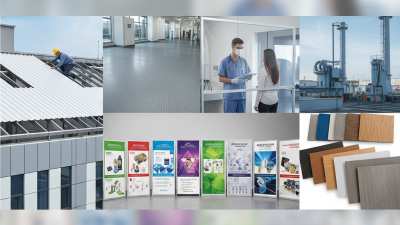
PVC sheets have versatile applications across various industries. They are essential in construction. Builders often use them for wall cladding and flooring solutions. Their durability and resistance to moisture make them ideal for kitchens and bathrooms. However, some might overlook their aesthetic appeal. It's important to consider colors and textures that fit specific design themes.
In the signage industry, PVC sheets serve as a common choice. Their lightweight nature makes installation easy. They can be printed on and cut into various shapes. This adaptability is a major advantage. Yet, when creating signage, one must ensure the print quality matches the intended message. A whimsical design might not convey seriousness where it matters most.
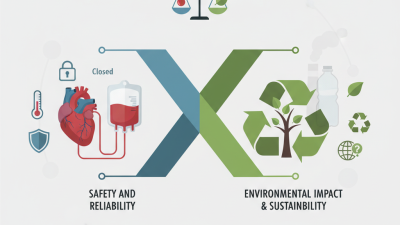
The medical field also utilizes PVC sheets. They are often used in packaging, providing a sterile barrier. This is critical for medical instruments and supplies. But the environmental impact of PVC cannot be ignored. Finding sustainable alternatives is a challenge that the industry must face. Addressing these concerns is essential for responsible innovation.
Advantages and Disadvantages of Using PVC Sheets
PVC sheets are popular in various projects. They offer a range of benefits but also have drawbacks. One advantage is their durability. They resist impact and are weatherproof. This makes them ideal for outdoor use. However, they can be prone to scratching, which diminishes their appearance over time.
Another significant benefit is their versatility. PVC sheets can be easily cut, shaped, and molded. They work well in construction, signage, and even arts and crafts. On the downside, exposure to UV light can cause discoloration. Additionally, improper disposal can lead to environmental concerns.
**Tips:** When using PVC sheets, always consider the application. Evaluate where you will use them. This can impact their longevity and performance. Regular maintenance can help preserve their quality. Remember, the choice of PVC sheet type is crucial for success.
2026 Top PVC Sheet Types and Their Advantages and Disadvantages
Choosing the Right PVC Sheet for Your Specific Project Needs
When selecting the right PVC sheet for your project, understanding your specific needs is crucial. PVC sheets come in various types, each suited for different applications. For example, rigid PVC sheets offer excellent structural integrity. They are ideal for signage and displays. On the other hand, flexible PVC sheets are great for applications that require bending and shaping. Consider where and how these sheets will be used.
Next, think about the thickness you require. Thicker sheets provide more durability but are heavier. Lighter sheets are easier to handle but may not withstand certain conditions. Evaluate your project environment, too. Exposure to UV light can damage some PVC types, while others may have protective coatings. It’s important to assess all these factors before making a decision. Reflecting on previous mistakes can save you time. Choosing the wrong type could lead to costly replacements or project delays.