Top 10 Benefits of Using PVC Blood Bags for Medical Needs
In the medical field, the choice of materials for blood bags is crucial. The PVC blood bag has gained recognition for its numerous advantages. This innovative product serves various medical needs, making it an essential tool in healthcare settings.
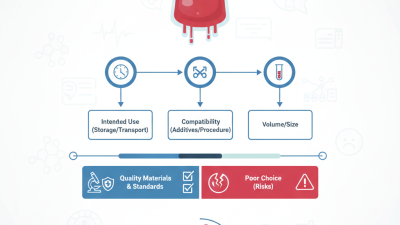
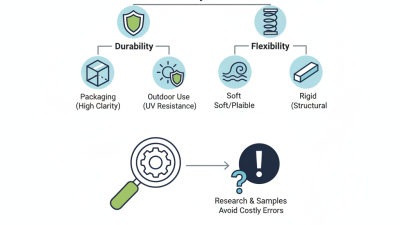
One key benefit of PVC blood bags is their durability. They can withstand various storage conditions while maintaining the integrity of the blood inside. Additionally, their flexibility allows easy handling and transportation. These bags are also compatible with many blood collection and transfusion devices, facilitating efficient medical procedures.
While PVC blood bags offer many benefits, there are some potential drawbacks to consider. For instance, their manufacturing process can raise environmental concerns. Balancing these factors is essential for making informed decisions in medical settings. Ultimately, the PVC blood bag stands out as a reliable choice for blood storage and transfusion needs, helping healthcare providers deliver better patient care.
Benefits of PVC Blood Bags in Blood Storage and Transit
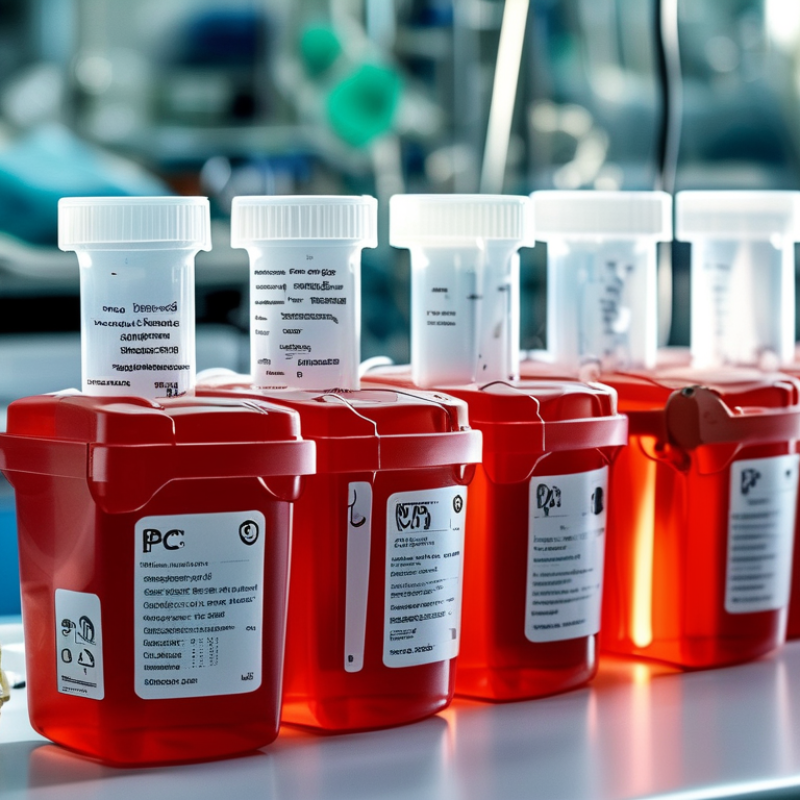
PVC blood bags are essential in modern medical practices. They offer multiple benefits in blood storage and transit. Their flexibility and strength make them suitable for safe blood handling. These bags are resistant to temperature changes, ensuring that blood products stay viable during transport.
When it comes to storage, PVC blood bags prevent contamination. They create a secure barrier, reducing the risk of bacterial growth. It’s vital to store blood at the right temperature. Using insulated containers can help maintain the cold chain.
Tips: Always check expiry dates before usage. Discard any bags that show signs of damage. This can prevent unnecessary wastage and ensure patient safety. Additionally, consider tracking blood bag locations during transit for better management. This transparency can aid in timely and effective interventions when needed.
Top 10 Benefits of Using PVC Blood Bags for Medical Needs
| Benefit |
Description |
| Lightweight |
PVC blood bags are lightweight, making them easier to handle and transport. |
| Cost-Effective |
PVC bags offer a lower production cost compared to other materials, which helps reduce overall expenses. |
| Chemical Resistance |
They are resistant to many chemicals, ensuring the integrity of the blood product during storage. |
| Sealing Capability |
PVC bags can be hermetically sealed, which helps prevent contamination. |
| Clarity |
The clarity of PVC allows for easy visual inspection of the blood and its components. |
| Flexibility |
PVC bags are flexible, allowing for easier storage in various environments. |
| Durability |
They are durable and can withstand the rigors of transport without compromising the contents. |
| Temperature Stability |
PVC blood bags maintain stability across a range of temperatures, essential for blood storage requirements. |
| Compatibility with Additives |
They are compatible with various anticoagulants and additives, enhancing the preservation of blood products. |
| Recyclability |
PVC is recyclable, making it a more sustainable option in the medical field. |
Impact of PVC's Biocompatibility on Patient Safety and Blood Quality
PVC blood bags are increasingly favored for their biocompatibility. This property significantly enhances patient safety and maintains blood quality. When blood is stored in these bags, the risk of contamination is notably reduced. Biocompatibility ensures that the materials do not react negatively with blood components. This leads to better preservation of red blood cells and platelets.
One important tip is to always check for any visible signs of damage on the bags before use. Damaged bags can lead to leaks. Another tip is to properly store these bags in controlled temperatures. This helps maintain the integrity of the blood contained within. Understanding the role of PVC in medical applications is crucial.
Some studies suggest there may be concerns about long-term storage effects. It's essential to stay informed about ongoing research. Continuous feedback from healthcare professionals helps in refining the use of PVC blood bags. This collaborative effort can further enhance patient outcomes.
Cost-Effectiveness of PVC Blood Bags Compared to Alternative Materials
The use of PVC blood bags in medical settings offers significant cost advantages over alternative materials. These bags are lightweight yet durable, reducing transportation costs. They are widely available, which keeps prices competitive. Hospitals can purchase them in bulk, ensuring a consistent supply. This bulk buying lowers overall expenses, making PVC an attractive option for healthcare providers.
Moreover, PVC blood bags can be produced efficiently. The manufacturing process is streamlined, allowing for lower production costs. In many cases, they require less energy to produce than other materials. This efficiency translates into savings for hospitals and clinics. While some may question the environmental impact of PVC, the overall economic benefits often outweigh those concerns.
Choosing PVC blood bags is not without challenges. Some healthcare providers worry about the materials' chemical properties and their impact on blood. Ongoing research and developments in this field address these issues. Understanding these complexities is crucial for decision-makers in healthcare. Balancing cost and safety is essential when determining the best option for blood storage.
Durability of PVC Blood Bags: Enhancing Shelf Life and Transport Reliability
PVC blood bags have transformed the way we handle blood storage and transport in medical environments. Their durability is a primary factor. These bags are designed to withstand stress during transportation. The robust nature of PVC ensures that they can endure various conditions without compromising the integrity of their contents.
The enhanced shelf life of PVC blood bags is another significant advantage. They resist punctures and leaks better than many alternatives. This resilience allows hospitals to store blood for longer periods, minimizing waste. Still, it’s essential to monitor storage conditions. Temperature fluctuations can affect performance, leading to potential issues. While PVC bags are reliable, regular checks remain crucial. This oversight ensures that once blood is collected, its quality remains intact throughout its shelf life.
Transport reliability is vital in emergency medical situations. PVC blood bags excel in maintaining the sterility and safety of blood products. However, there are moments when human error occurs, such as improper handling. Training personnel in proper techniques is critical to mitigate risks. Even the best materials require responsible management to be truly effective.
Environmental Considerations: PVC's Recycling Potential in Healthcare
PVC blood bags have gained popularity in healthcare due to their practical benefits. One crucial aspect often overlooked is their recycling potential. PVC is a durable and versatile plastic, making it suitable for various medical applications. However, the recycling process for PVC blood bags needs careful attention. Many hospitals lack proper systems for disposing of these materials responsibly.
Recycling PVC can significantly reduce waste in healthcare. Facilities can implement systems to collect and recycle used blood bags. This engagement not only minimizes landfill contributions but also conserves resources. However, the challenge lies in changing the mindsets of facility managers. Education on recycling PVC in a safe, effective manner is vital.
Healthcare providers must weigh the benefits against the complexities. While PVC offers durability and safety, its recycling still poses questions. It's essential for the industry to improve practices. Collaborating with recycling initiatives could enhance sustainability efforts. A holistic approach is necessary for long-term environmental benefits in healthcare settings.
Top 10 Benefits of Using PVC Blood Bags for Medical Needs