Top Benefits of Using PVC Roll for Your Projects?
The use of PVC Roll in various projects has surged in recent years. According to a report by MarketsandMarkets, the global PVC market is expected to reach $83 billion by 2025. This illustrates a growing demand for durable and cost-effective materials in construction and manufacturing sectors. PVC Roll offers distinct advantages that set it apart from other materials.
Industry expert Dr. Sarah Wang states, “PVC Roll is transforming how we think about material efficiency.” Her insights highlight the flexibility and durability that PVC Roll provides, making it an ideal choice for both residential and industrial applications. This adhesive-free option minimizes waste, aligning with sustainability goals and cost savings.
The benefits of PVC Roll include its easy installation and low maintenance requirements. However, some projects might face challenges with specific environmental factors. This emphasizes the importance of selecting the right type of PVC Roll for your distinct needs. Proper understanding and application of this material reflect a growing expertise in the industry.
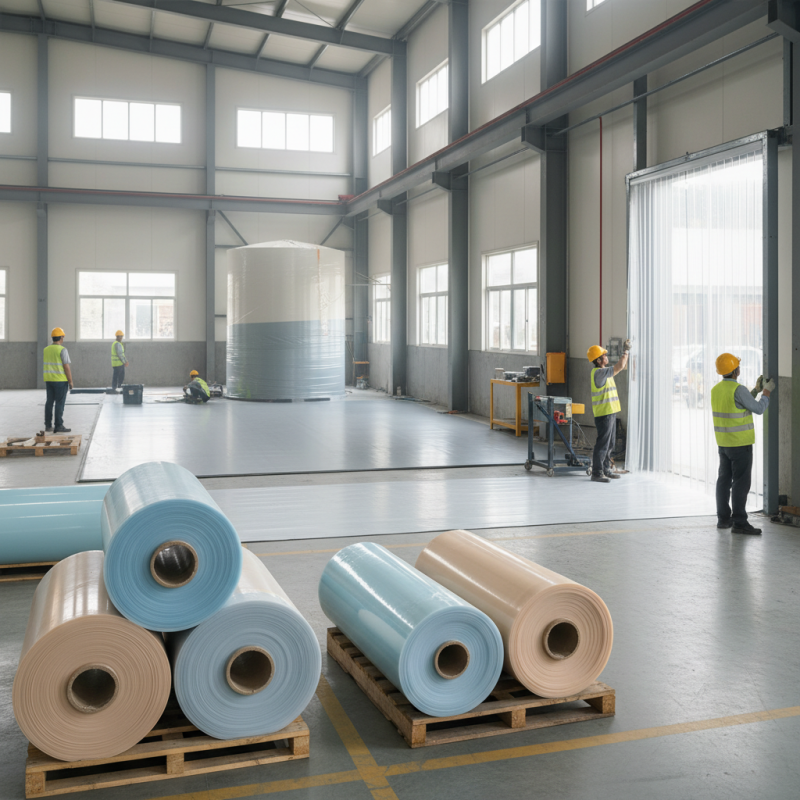
Benefits of Durability and Longevity of PVC Roll
PVC roll is a versatile material widely used in various projects due to its impressive durability. Unlike many other materials, PVC roll can withstand harsh weather conditions. It resists moisture, chemicals, and abrasions, making it ideal for both indoor and outdoor use. This resilience means fewer replacements and repairs over time, ultimately saving costs.
The longevity of PVC roll further enhances its appeal. Once installed, it can last for several years without significant wear and tear. Many users find that its lightweight nature also aids in easy installation. However, some projects may require additional consideration regarding the reinforcement of seams or edges. This attention to detail ensures the full potential of PVC roll is realized.
The ability to maintain shape and form under stress makes PVC roll particularly effective in high-traffic areas. While it may seem like a straightforward choice, proper selection and application are crucial. Not all PVC rolls are created equal, and understanding the specific needs of your project will yield the best results.
Top Benefits of Using PVC Roll for Your Projects
| Benefit |
Description |
Longevity (Years) |
| Durability |
PVC rolls resist wear and tear, making them ideal for high-traffic areas. |
10-15 |
| Weather Resistance |
They withstand moisture, UV rays, and extreme temperatures without degrading. |
15-20 |
| Low Maintenance |
PVC rolls require minimal cleaning and upkeep compared to other materials. |
20 |
| Chemical Resistance |
They can withstand exposure to various chemicals without damage. |
15 |
| Cost-Effectiveness |
PVC roll installations are economically viable due to their longevity and durability. |
Varies |
Cost-Effectiveness in Various Applications of PVC Roll
When considering materials for construction and design, PVC roll stands out for its cost-effectiveness. It provides durability and versatility at a fraction of the cost of alternatives. The lightweight nature of PVC rolls simplifies transportation and installation, saving both time and labor expenses. Many professionals and DIY enthusiasts have utilized PVC rolls in various applications, from graphic displays to flooring solutions.
In addition to being budget-friendly, PVC rolls offer long-term performance. They resist moisture and wear, making them ideal for both indoor and outdoor projects. Yet, some users may overlook the importance of compatibility with other materials. This can lead to suboptimal results in some projects. Despite its advantages, users should always ensure they choose the right thickness and finish for their specific needs.
PVC rolls can be a sustainable option as well. They are recyclable and can be repurposed in new applications, reducing landfill waste. However, it's essential to consider local recycling capabilities. Adapting to improved sustainability practices can enhance the overall value of using PVC rolls in projects. Regular evaluation of materials and methods is a key way to truly maximize the benefits offered by PVC.
Versatility of PVC Roll in Different Project Types
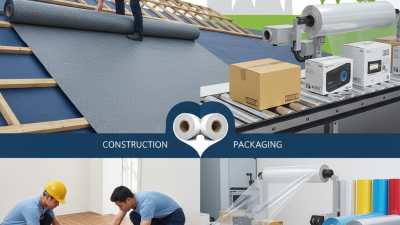
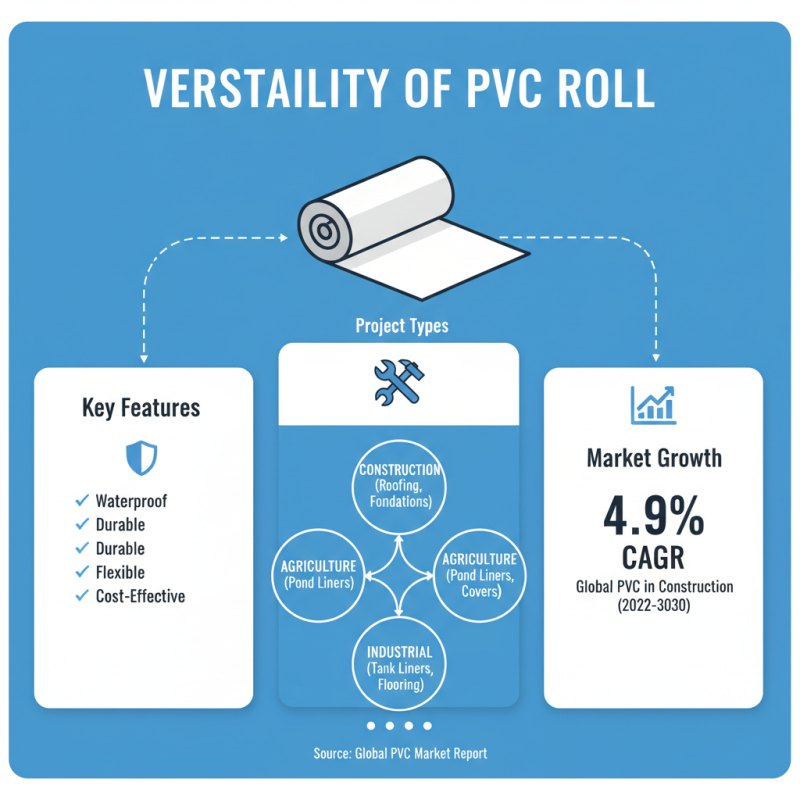
PVC roll is becoming the preferred choice for various project types due to its incredible versatility. In construction, it serves multiple functions. For instance, it can be used as a waterproofing membrane, which is crucial in roofing applications. According to the Global PVC Market Report, the demand for PVC in construction is expected to grow at a compound annual growth rate (CAGR) of 4.9% from 2022 to 2030. This data highlights its importance in modern building projects.
Additionally, the use of PVC roll extends to industrial applications, such as packaging and flooring. Its lightweight nature makes installation simple and efficient. Reports indicate that industries are increasingly opting for PVC materials because they offer durability without adding excessive weight. Yet, one must be cautious. Not all PVC rolls are created equal, and quality control varies significantly among suppliers.
In the realm of DIY projects, flexibility is key. PVC roll can be easily cut to size, fitting unique project needs. Whether creating protective barriers or custom bags, it delivers results. However, improper usage can lead to waste and inefficiency. Striking a balance between cost-effectiveness and quality is essential for achieving desired outcomes. Those venturing into projects using PVC must evaluate their options critically.
Environmental Considerations of Using PVC Roll
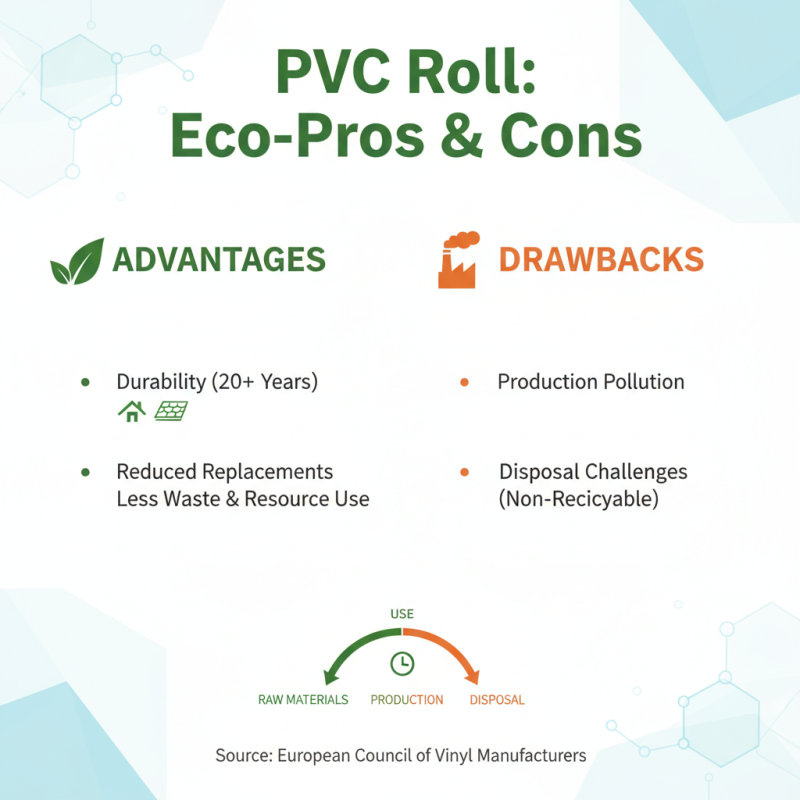
When considering the environmental aspects of using PVC roll, it's essential to recognize both its advantages and drawbacks. PVC, or polyvinyl chloride, is praised for its durability and versatility. According to a report from the European Council of Vinyl Manufacturers, it can last over 20 years in applications like flooring and roofing. This longevity reduces the need for frequent replacements, which can minimize resource extraction and waste.
However, there are concerns regarding the production and disposal of PVC. The manufacturing process can emit harmful chemicals, impacting air and water quality. A study by the Centre for Sustainable Materials found that recycling rates for PVC are below 10%. This statistic highlights a significant challenge in minimizing PVC's environmental footprint. Efforts are ongoing to improve recycling technologies, but awareness is crucial.
Additionally, the concern about toxic additives in PVC products persists. Phthalates, often used to soften PVC, can leach into the environment. Research shows that these chemicals may disrupt endocrine systems in wildlife. It prompts a discussion about the balance between the practical benefits of PVC and the environmental implications associated with its lifecycle. Being informed about these aspects is vital for making responsible choices in project planning.
Ease of Installation and Maintenance for PVC Roll
PVC rolls have gained popularity for their versatility and practicality. One of the key benefits is their ease of installation. According to a study by the Vinyl Institute, projects using PVC materials can reduce labor costs by up to 30%. The lightweight nature of PVC rolls allows for quick handling, making them suitable for various applications, from flooring to wall coverings. Moreover, they can be cut and laid with minimal tools, making installation accessible even for DIY enthusiasts.
Maintenance is another significant advantage of PVC rolls. They are resistant to moisture and chemicals, which simplifies cleaning and upkeep. A report from the American Society for Testing and Materials highlights that PVC products have a lifespan exceeding 20 years with proper care. However, it is crucial to acknowledge that while PVC is durable, it can be susceptible to fading in direct sunlight over time. Regular inspections can help mitigate this issue and maintain their aesthetic appeal.
In summary, the functionality of PVC rolls in installation and maintenance is compelling. While they require some ongoing care, the long-term benefits, including cost savings and resilience, make them an attractive option for many projects.