Top Benefits of Using PVC Roll in Various Applications?
PVC roll has gained immense popularity across various industries. Its versatility makes it a preferred choice for many applications. From construction to packaging, the benefits of PVC roll are evident.
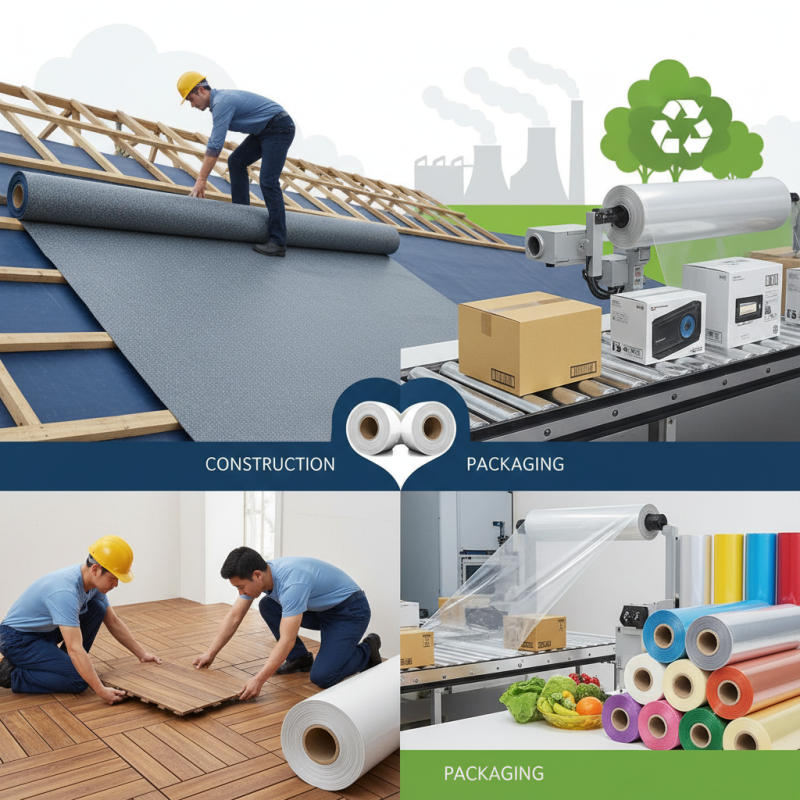
In construction, PVC roll offers durability and water resistance. This makes it suitable for roofing and flooring. The ease of installation is another significant advantage. It saves time and labor costs. For packaging, PVC roll provides excellent barrier properties. It helps protect products from moisture and external elements. The lightweight nature of PVC roll also reduces shipping costs.
However, despite its advantages, some challenges exist. PVC roll production can impact the environment if not managed properly. Recycling options may be limited. Users should consider these factors when choosing materials. Overall, the benefits of PVC roll are substantial, but reflection on its ecological footprint is essential.
Key Characteristics of PVC Roll that Enhance Its Versatility
PVC rolls are highly versatile due to their unique characteristics. One key feature is their excellent resistance to moisture and chemicals. A report by Grand View Research states that the global demand for PVC in construction is expected to reach 69 billion dollars by 2025. This statistic highlights the growing reliance on PVC in various sectors, including construction and packaging.
Another important characteristic is the material’s lightweight nature. PVC rolls are easy to handle and require less energy to transport. This makes them an ideal choice for large projects where efficiency is critical. However, while the lightweight aspect benefits transportation, it can also raise questions about durability. Some applications may require stronger alternatives to avoid potential damage.
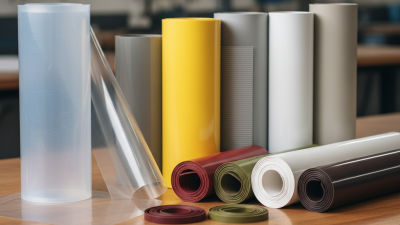
The flexibility of PVC rolls is noteworthy. They can be manufactured in different thicknesses and textures, allowing customization for specific needs. Yet, this adaptability can lead to confusion in selection. Users might struggle to find the right product that meets their unique requirements. Understanding the nuances of PVC rolls is essential for optimizing their advantages and minimizing any shortcomings in application.
Top Benefits of Using PVC Roll in Various Applications
| Application |
Key Benefits |
Characteristics |
| Construction |
Durable, water-resistant, and cost-effective. |
Lightweight, flexible, and easy to install. |
| Packaging |
Protective barriers and customizable design. |
Non-toxic, recyclable, and easy to print. |
| Medical |
Hygienic and easy to sterilize. |
Biocompatible, smooth surface, and resistant to chemicals. |
| Automotive |
Excellent insulation and sound absorption. |
Durable, lightweight, and flexible. |
| Furniture |
Stylish, easy to clean, and maintain. |
Variety of textures and colors, UV resistant. |
Common Applications of PVC Roll in Industrial Settings
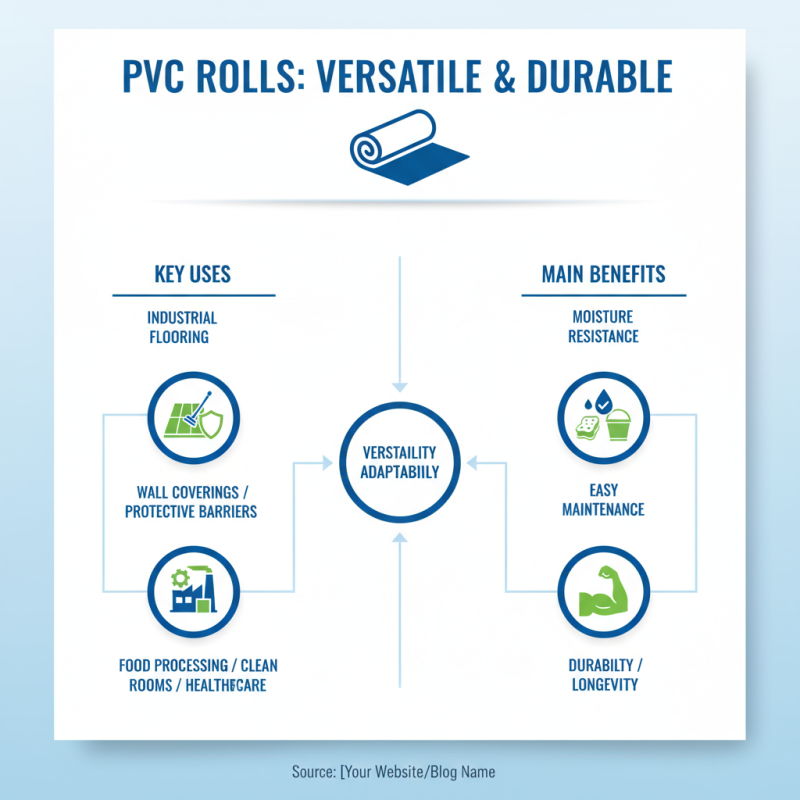
PVC rolls are widely used in various industrial settings due to their versatility and durability. They are often employed for flooring, wall coverings, and protective barriers. Many manufacturers appreciate the moisture resistance and easy maintenance offered by PVC rolls. These properties make them ideal for food processing facilities, clean rooms, and healthcare environments.
In addition, PVC rolls can provide excellent insulation and soundproofing. This is essential in industries where noise reduction is a priority, such as manufacturing plants. By implementing PVC rolls, companies can create a safer, quieter atmosphere for employees.
**Tip:** When selecting PVC rolls, consider the specific needs of your environment. Will they be exposed to heavy foot traffic or chemicals? Knowing this ensures better performance and longevity.
PVC rolls can be customized in various colors and textures. This feature allows businesses to create a professional appearance while meeting safety standards. However, it’s vital to assess the installation process. Poorly installed rolls may lead to peeling or bubbling over time.
**Tip:** Regular maintenance helps prolong the life of PVC rolls. Ensure you follow proper cleaning guidelines to avoid potential damage.
Benefits of PVC Roll for Flooring and Surface Protection
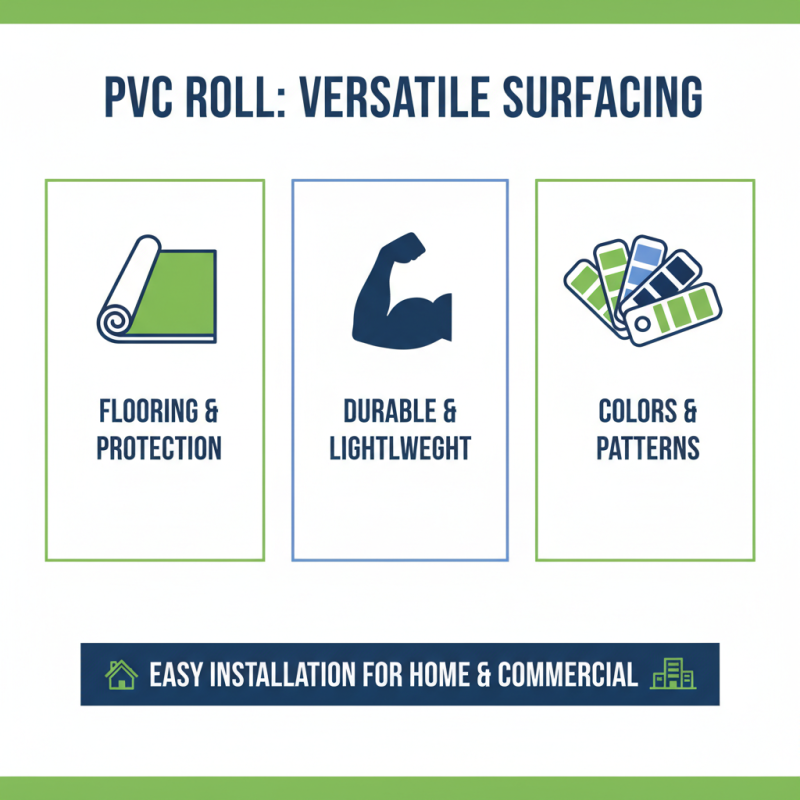
PVC roll is a versatile material widely used for flooring and surface protection. It is lightweight and easy to install. Many homeowners choose PVC rolls for their durability and style. They come in various colors and patterns, making it simple to match any decor. This option suits both residential and commercial spaces well.
One of the notable benefits of PVC roll is its resistance to moisture. This feature makes it ideal for areas prone to spills, such as kitchens and bathrooms. Additionally, PVC rolls offer excellent cushioning, reducing fatigue when standing for long periods. However, some may find that certain PVC rolls are prone to scratches or dents, leading to a need for careful maintenance.
The ease of cleaning is another plus. A simple wipe-down is often all that is needed to maintain its appearance. Despite these advantages, it's essential to choose the right thickness and design for specific needs. Not all PVC rolls are created equal, and sometimes the cheaper options may not last as long. This reality can lead to unexpected replacement costs. Careful consideration can help ensure the best choice for your space.
Environmental Considerations in PVC Roll Production and Usage
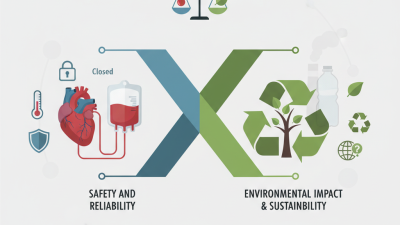
The production and use of PVC roll raise important environmental considerations. PVC, or polyvinyl chloride, is a versatile material used in various applications. However, its manufacturing process can produce harmful emissions. The extraction of raw materials also impacts local ecosystems. Awareness of these issues is crucial for responsible use.
Recycling PVC is one way to mitigate its environmental footprint. Although the recycling rates are improving, many end-users are still unaware of how to recycle it properly. This lack of knowledge creates waste. Additionally, PVC can release harmful chemicals during its lifecycle, especially when not disposed of correctly.
There are ongoing efforts to make PVC production more eco-friendly. Innovations in manufacturing aim to reduce emissions and energy consumption. Nevertheless, the industry still faces challenges. Addressing these issues requires collaboration. Educating consumers on the proper use and disposal of PVC rolls is essential for a sustainable future.
Top Benefits of Using PVC Roll in Various Applications
This chart illustrates the key benefits of using PVC roll across different applications, highlighting its environmental considerations, durability, and cost-effectiveness.
Cost-Effectiveness of PVC Roll Compared to Alternative Materials
PVC roll is increasingly popular for its cost-effectiveness. This material often outperforms alternatives in price and durability. Many industries prefer PVC for its long lifespan. It resists moisture and chemicals, making it suitable for various applications. For example, in construction, it’s an excellent choice for waterproofing and insulation. Its lightweight nature allows for easy transport and installation.
Using PVC roll can save significant costs in the long run. Maintenance expenses are lower compared to other materials. This durability means fewer replacements. A user might find that a one-time PVC investment lasts for years.
Tips: Consider the specific application before choosing materials. Understand the environment where it will be used. Not every application may benefit from PVC. Take time to analyze the needs and conditions. While PVC is versatile, it’s not always the best choice for high-temperature areas. Always test samples when possible to confirm suitability.