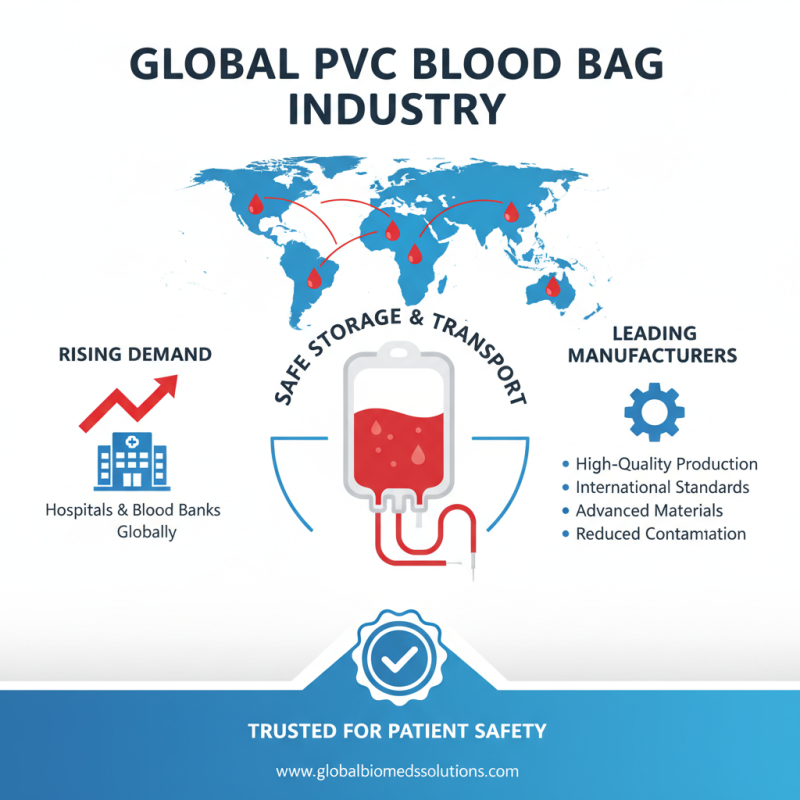
Best PVC Blood Bags for Global Procurement Needs?
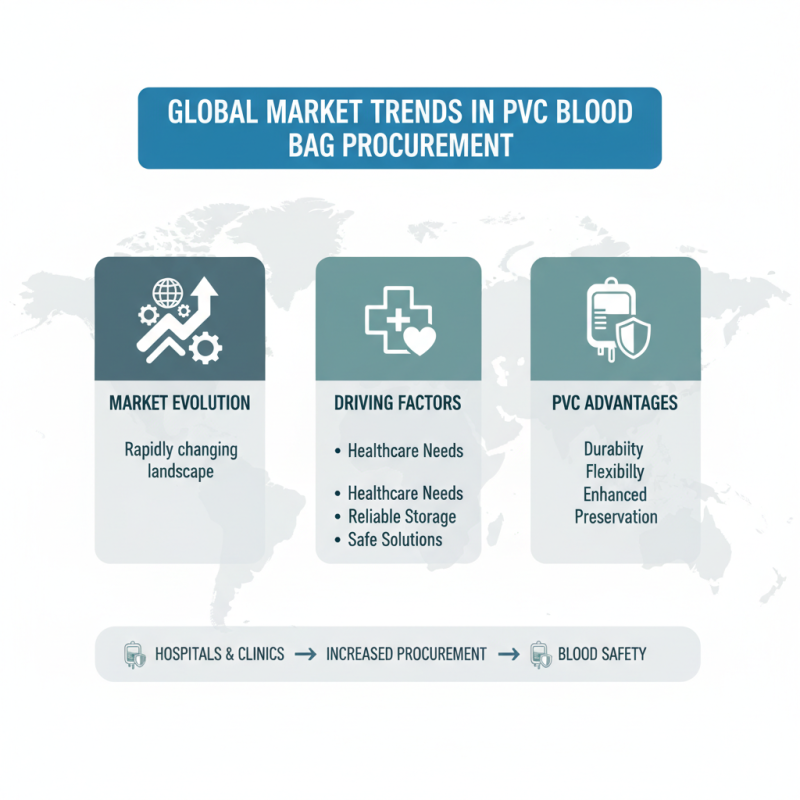
In the medical field, the demand for effective and safe blood storage is paramount. PVC blood bags serve as a critical component in the transfusion process. According to a recent market analysis by Grand View Research, the global blood bag market size was valued at approximately $300 million in 2022. This figure highlights the importance of high-quality PVC blood bags.
PVC blood bags are preferred due to their chemical stability and flexibility. These attributes ensure that blood products remain viable for longer periods. The report from the Global Health Organization indicates that around 118.5 million blood donations are collected globally each year. This statistic underscores the vital role of PVC blood bags in supporting transfusion services.
However, challenges remain in ensuring the reliability of these products. Variations in manufacturing standards can affect bag performance. Health institutions must be diligent in selecting suppliers that utilize stringent quality control measures. As the market evolves, understanding variations in PVC blood bag performance can shape procurement strategies and impact patient outcomes significantly.
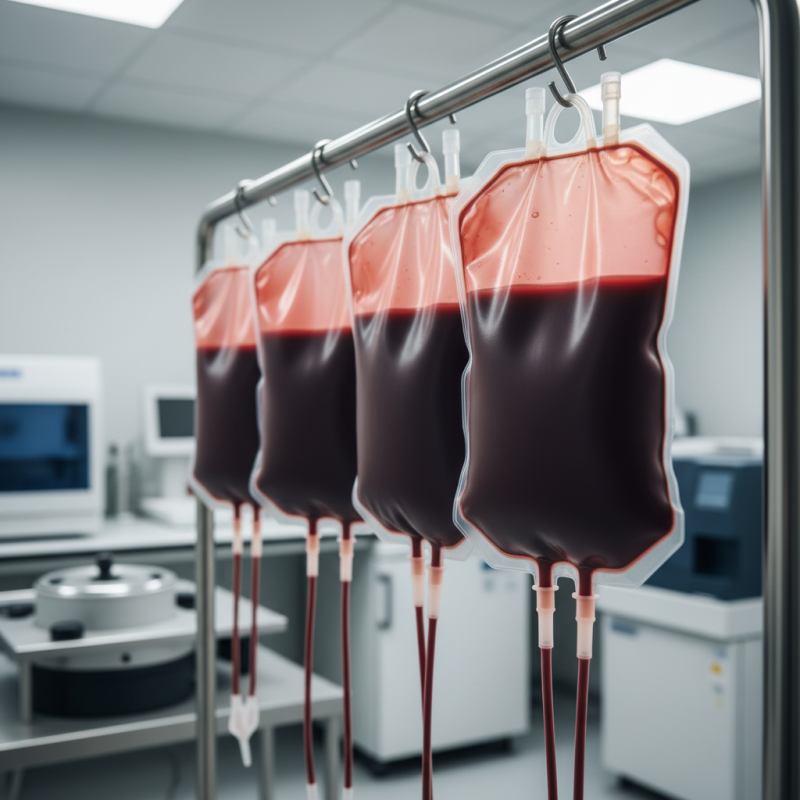
Overview of PVC Blood Bags and Their Importance in Healthcare
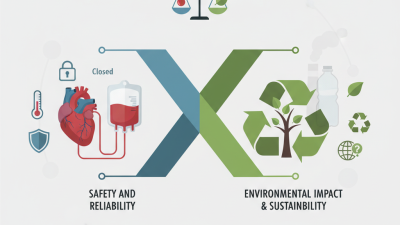
PVC blood bags play a crucial role in healthcare systems worldwide. These bags are designed to store blood safely for transfusions. Their flexibility and durability are key features. This material also provides excellent barrier properties, which minimize the risk of contamination.
In clinical settings, the choice of blood bag is vital. It impacts the quality of stored blood and patient outcomes. Properly designed PVC bags prevent hemolysis and maintain the viability of blood components. However, not all PVC bags are created equal. Some may be prone to leaching harmful chemicals. This raises concerns in various healthcare settings.
Healthcare providers often prioritize safety and efficacy. They seek bags that ensure integrity during storage and transport. Assessing the quality of PVC blood bags is essential. Regular audits and feedback from medical professionals can highlight areas for improvement. It is important to balance cost with quality to meet procurement needs effectively.
Overview of PVC Blood Bags Usage in Healthcare
Key Features to Consider When Selecting PVC Blood Bags
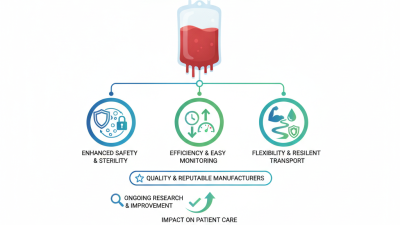
When selecting the best PVC blood bags for procurement, understanding key features is essential. These bags must ensure safety, efficiency, and compatibility. Look for bags made from high-quality PVC that meets international standards. The thickness of the bag matters; a thicker bag can provide better protection and reduce the risk of leaks.
Tips: Always check for regulatory certifications. This guarantees the bag has gone through rigorous quality checks. Also, consider the size options available. Different storage volumes can cater to various medical needs.
Another critical attribute is the bag's transparency. A clear bag allows health professionals to monitor blood visually. It can help identify any contamination or air bubbles. Additionally, ensure the bags have appropriate ports for easy and sterile access. If they lack functionality, it could stall critical care.
Tips: Evaluate the sealing methods used in the bags. Poor seals can lead to contamination. Always opt for bags with secure and reliable seam designs. Testing the bag under stress conditions can reveal potential weaknesses. Examine if the manufacturers have conducted such tests. This can provide insight into the durability of the product.
Regulatory Standards and Quality Assurance for Blood Bags
When it comes to blood bag procurement, regulatory standards play a crucial role. Blood bags must meet specific guidelines to ensure safety and effectiveness. Each country has its own set of regulations governing production and use. It is essential to comply with these standards to avoid potential health risks.
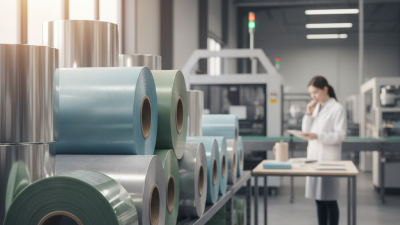
Quality assurance is equally important in the manufacturing process. Manufacturers should implement stringent quality control measures. Regular testing and assessments are necessary for maintaining product integrity. Materials used, especially PVC, must be thoroughly evaluated for biocompatibility and durability.
Despite the established guidelines, challenges remain. Some processes may not be uniformly followed across the industry. Variations in manufacturing techniques can lead to discrepancies in product quality. Continuous monitoring and consistent feedback loops can help address these issues. It is vital to keep improving standards to safeguard public health.