2026 Best PVC Sheet Options for Global Buyers and Suppliers?
As the global market continues to evolve, the demand for quality materials remains constant. Among these, PVC sheets stand out for their versatility and durability. Many industries rely on PVC sheets for a variety of applications, from construction to packaging. Suppliers and buyers alike need to explore the best options available in 2026.
Choosing the right PVC sheet can be challenging. Factors like thickness, color, and texture play a vital role in decision-making. Buyers often seek reliable suppliers who can provide quality products consistently. On the other side, suppliers must ensure they meet the diverse needs of their clients. This dynamic market demands both innovation and adaptability.
Understanding the nuances of PVC sheets is crucial. However, some buyers overlook specific requirements, leading to dissatisfaction. Suppliers sometimes struggle to maintain stock levels for in-demand products. Both parties must engage in open communication to address these challenges effectively. This ongoing dialogue will strengthen relationships and ensure mutual success in the PVC sheet marketplace.

Overview of PVC Sheets and Their Applications for Global Markets
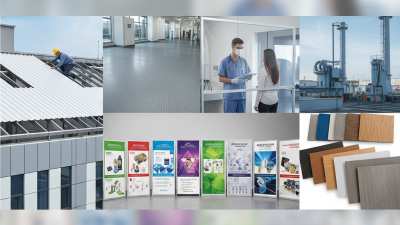
PVC sheets are versatile materials used globally across various industries. They are lightweight yet durable, making them ideal for construction, signage, packaging, and more. Their resistance to water, chemicals, and UV light adds to their appeal. Industries often choose PVC sheets for interior design, wall panels, and furniture due to their aesthetic flexibility and ease of maintenance.
The applications of PVC sheets are extensive. In the automotive sector, they provide sound insulation and are used for dashboards. In the medical field, PVC sheets serve to create sterile environments and packaging for medical supplies. However, buyers should consider environmental aspects. PVC production can introduce harmful chemicals. Seeking sustainable options is important for future growth.
Understanding the balance between functionality and environmental impact is crucial for responsible sourcing.
Factors to Consider When Choosing PVC Sheets for Your Project
When selecting PVC sheets for your project, several factors come into play. Understanding the application is essential. Are you using the sheets for signage, construction, or another purpose? Each application demands different properties. For instance, durability and impact resistance are vital for outdoor signage. Meanwhile, flexibility might be more desired for indoor applications.
Thickness is another critical aspect. PVC sheets are available in various thicknesses. Thicker sheets provide better strength and insulation. However, they may be more challenging to work with. Think about the processing methods you’ll use. Some tasks require additional planning, especially with thicker materials. Keep in mind that the color and finish can also affect the final outcome. A matte finish may reduce glare, while glossy surfaces can enhance visual appeal.
Furthermore, price and availability should not be overlooked. It’s tempting to choose the cheapest option. However, this can sometimes lead to compromises in quality. Consider the long-term value of your investment. Sustainable sourcing may also align with your project goals. Reflect on how eco-friendly materials contribute to the overall outcome. Each factor plays a role in ensuring you choose the right PVC sheet for your needs.
Top Manufacturers and Suppliers of PVC Sheets Worldwide
The global PVC sheet market is expanding rapidly. According to recent industry reports, the demand for PVC sheets is projected to grow at a CAGR of 5.7% from 2021 to 2026. This growth reflects the material's versatility across various sectors like construction, packaging, and signage.
Top manufacturers in the PVC sheet industry emphasize quality and sustainability. Companies are increasingly focusing on recycled materials in production processes. This trend is driven by both regulatory pressures and market demand. The need for eco-friendly solutions is becoming crucial. Meanwhile, major suppliers are investing heavily in technology to enhance product performance and efficiency.
Despite the growth, challenges remain. Price volatility of raw materials can impact overall costs. Additionally, not all suppliers meet quality standards consistently. Buyers should conduct thorough research before making purchases. It's essential to balance cost and quality for optimal outcomes. The landscape is competitive, and informed decisions will lead to lasting partnerships.
2026 Best PVC Sheet Options for Global Buyers and Suppliers
This chart illustrates the average specifications for PVC sheets available for global buyers in 2026, highlighting key dimensions such as thickness, width, length, and weight.
Innovative Trends in PVC Sheet Products for 2026
The PVC sheet market is evolving rapidly. In 2026, global buyers will likely witness several innovative trends. Sustainability is at the forefront. Manufacturers are exploring eco-friendly additives that enhance the performance of PVC sheets while reducing environmental impact. This shift could change how products are perceived and utilized in various industries.
Another exciting trend is the development of multi-functional sheets. These sheets are designed for diverse applications, from construction to decorative purposes. Enhanced durability and flexibility are key features. Such advancements may lead to broader adoption across sectors. However, challenges remain. Consumers must be educated on the benefits versus the costs.
New textures and colors are also emerging. Customization options will enable buyers to create unique designs. Yet, this raises questions about inventory management and production logistics. Not all suppliers may adapt quickly to this shift. It’s essential to consider the balance between innovation and practicality. Reflecting on these trends will help prepare for a dynamic future in the PVC sheet industry.
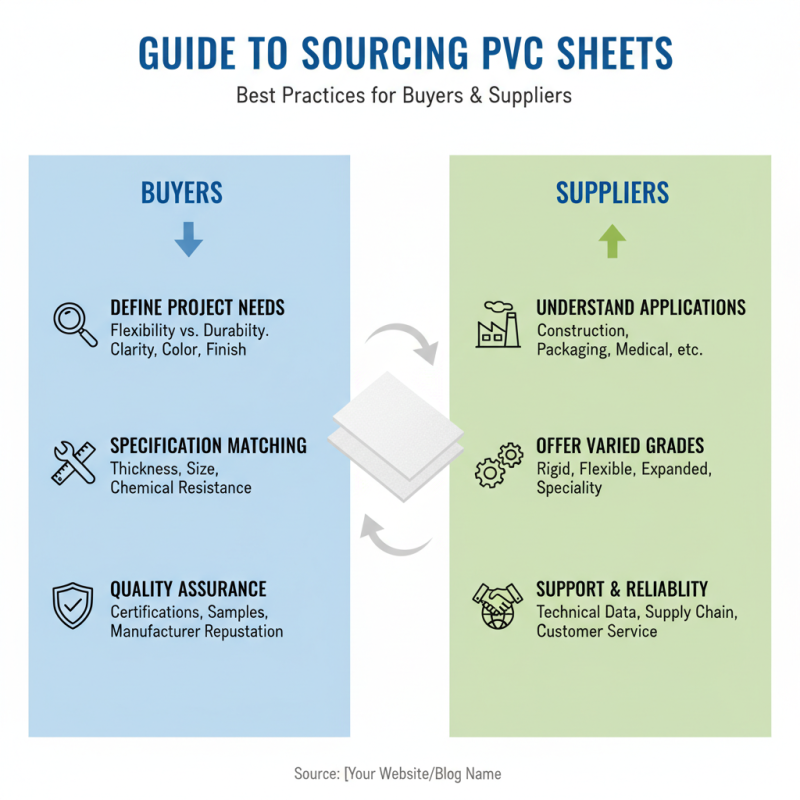
Guide to Sourcing PVC Sheets: Best Practices for Buyers and Suppliers
When sourcing PVC sheets, buyers and suppliers must prioritize quality and application suitability. Various factors influence this process. Understanding the specific needs of your project is crucial. Are you looking for flexibility or durability? Different applications demand different specifications.
Tips: Always check the material properties before making a purchase. Properties like thickness, size, and flexibility can significantly impact the sheet's performance.
Another consideration is understanding supplier reliability. Not all suppliers provide the same level of service. Research their reputation and track their delivery timelines. Communication is key. If a supplier is unresponsive, it may lead to delays.
Tips: Create a list of questions to ask potential suppliers. This helps to gauge their expertise and reliability.
Finally, consider pricing, but don’t let it be the sole deciding factor. The cheapest option might compromise quality. Balance cost against performance. Reflect on how saving a few dollars can impact the project long term.