China Top 10 Plastic Film Rolls for Packaging in 2026?
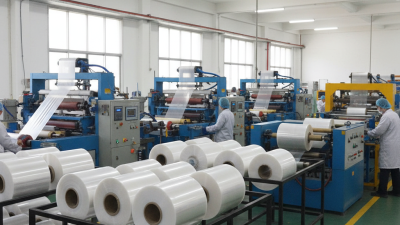
The packaging industry is rapidly evolving, and China plays a crucial role in this transformation. Plastic Film Rolls have become essential in various sectors, including food, electronics, and consumer goods. These materials offer durability, flexibility, and excellent barrier properties, aiding in product protection and shelf life extension.
As we approach 2026, understanding the top ten Plastic Film Rolls for packaging becomes vital. Each option will cater to specific needs, influencing market trends and consumer preferences. Innovations in manufacturing processes and sustainability efforts will shape these products, reflecting a growing demand for eco-friendly solutions.
While many manufacturers focus on efficiency and cost-effectiveness, challenges remain. Not all films are recyclable, and evolving regulations pose a risk to production methods. The quest for improvement continues, highlighting the need for industry reflection and adaptation. This exploration of Plastic Film Rolls aims to shed light on future possibilities and necessary changes in the packaging landscape.

Overview of the Plastic Film Packaging Industry in China
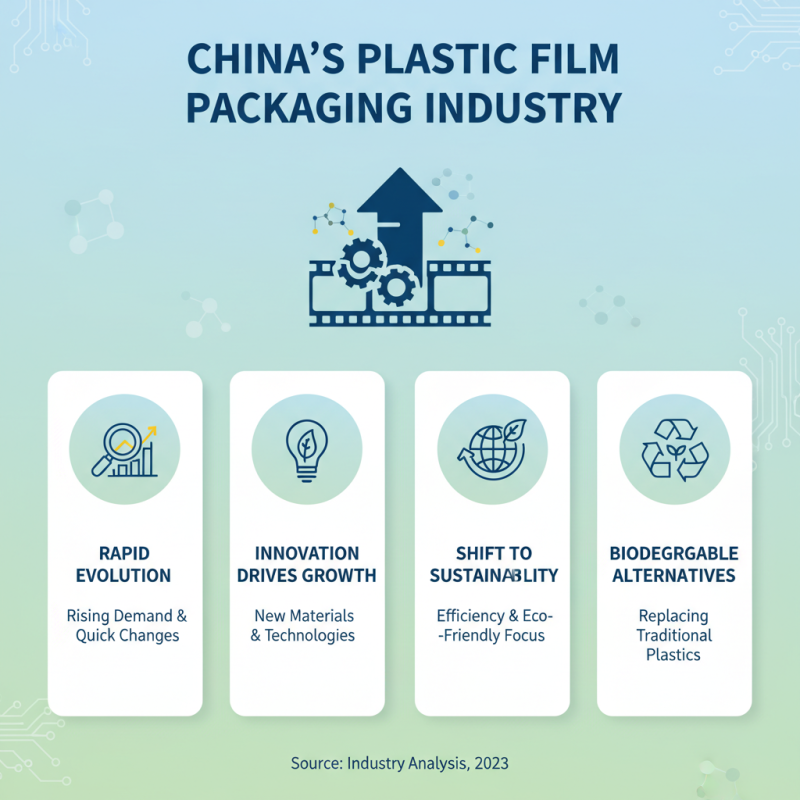
The plastic film packaging industry in China is evolving rapidly. As demand rises, innovation becomes essential. New materials and technologies drive growth. This shift focuses on sustainability and efficiency. Environmentally friendly options are on the rise. Many companies now seek to replace traditional plastics with biodegradable alternatives.
Consumers are increasingly aware of packaging waste. Companies must adapt to these changing preferences. This presents both a challenge and an opportunity. The market is competitive, with many players striving for a larger share. Smaller firms often struggle to keep up. Large manufacturers dominate with advanced technology and resources.
Quality remains a significant concern. Ensuring durable packaging that meets safety standards is critical. Some materials may not perform well under various conditions. Testing and quality control are non-negotiable. The industry must prioritize reliability to maintain consumer trust. As production volumes increase, efficient processes will be key.
Key Factors Driving Plastic Film Roll Innovation in 2026
The plastic film roll market is poised for significant transformation by 2026. Several factors contribute to this innovative shift. One key driver is the increasing demand for sustainable packaging solutions. According to a report by Smithers Pira, the global green packaging market is expected to reach $500 billion by 2026, pushing manufacturers toward eco-friendly materials.
Another critical factor is advancements in technology. Companies are investing in biodegradable films made from renewable resources. This not only meets consumer demand for sustainable products but also helps reduce plastic waste. Research suggests that the use of innovative coatings on films can enhance barrier properties, making them more effective for food packaging. Such developments signify a major step forward for the industry.
Tip: If you are exploring packaging options, consider the type of materials used. Researching their environmental impact can provide a competitive advantage.
There's also a noticeable shift in consumer preferences. Buyers are increasingly concerned with the lifecycle of packaging. In fact, a survey indicated that over 70% of consumers would pay more for products packaged sustainably. This awareness pressures brands to innovate continually. However, achieving this balance between cost and sustainability remains a challenge, highlighting a need for ongoing evaluation in the field.
Tip: Stay informed about emerging technologies. This knowledge can help your business adapt to evolving market demands.
China Top 10 Plastic Film Rolls for Packaging in 2026
| Rank |
Film Type |
Thickness (microns) |
Width (mm) |
Length (meters) |
Key Features |
Application |
| 1 |
LDPE |
20 |
500 |
1000 |
Flexibility, High Clarity |
Food Packaging |
| 2 |
CPP |
30 |
400 |
800 |
Moisture Resistant, Good Sealability |
Snack Packaging |
| 3 |
BOPP |
15 |
600 |
1200 |
High Strength, Printability |
Labels and Wrapping |
| 4 |
PE |
50 |
300 |
500 |
Durable, Affordable |
General Packaging |
| 5 |
PVDC |
30 |
350 |
700 |
Oxygen Barrier, High Resistance |
Pharmaceuticals |
| 6 |
PET |
25 |
450 |
900 |
High Tensile Strength, Recyclable |
Cosmetic Packaging |
| 7 |
PLA |
40 |
500 |
600 |
Biodegradable, Compostable |
Eco-Friendly Packaging |
| 8 |
PVA |
15 |
300 |
400 |
Water Soluble |
Detergent Packaging |
| 9 |
EVA |
25 |
400 |
800 |
Softness, Adhesion |
Sealant Applications |
| 10 |
HIPS |
30 |
250 |
500 |
Good Impact Resistance |
Dashboard Panels |
Top 10 Plastic Film Rolls for Packaging: Features and Applications
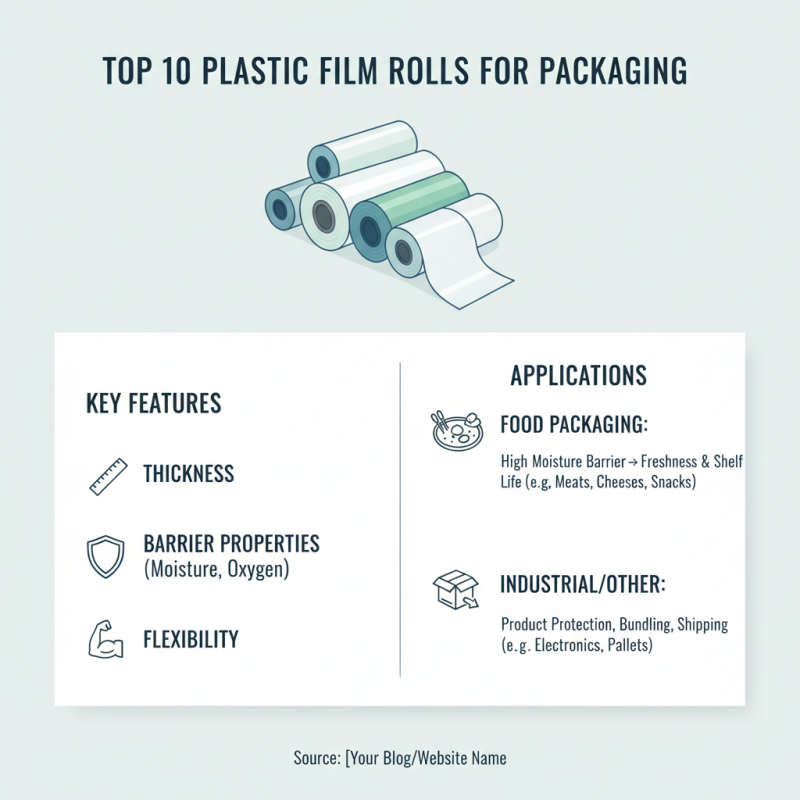
In the world of packaging, plastic film rolls play a crucial role. Various features differentiate these films, including thickness, barrier properties, and flexibility. These qualities determine their applications across different industries. For food packaging, films with high moisture barriers are essential. They help maintain freshness, extending product shelf life effectively.
The printing capabilities of plastic films are also noteworthy. Many films allow for vibrant, high-quality graphics that attract consumers. This visual appeal is especially important in retail. Furthermore, biodegradable options are emerging. These eco-friendly films cater to environmentally conscious consumers, but they often come with a higher cost. Balancing sustainability with cost-effectiveness remains a challenge.
Innovation is ongoing in this sector. Many manufacturers experiment with novel materials and technologies. Some films now incorporate features like anti-fogging and UV protection. However, reliability can be inconsistent across different producers. Understanding what works best for specific needs is essential for businesses. This aspect requires careful evaluation and testing. As trends evolve, businesses must remain adaptable in their choice of plastic film rolls for packaging solutions.
Market Trends Influencing Plastic Film Demand in China
The plastic film market in China is poised for transformation by 2026. Key market trends are reshaping demand. A growing focus on
sustainability is driving innovations in biodegradable films. Companies seek eco-friendly alternatives to traditional plastics. Consumer
preferences are shifting, leading to increased competition among manufacturers.
Technological advancements are another significant factor. The rise of smart packaging is influencing material choices.
Intelligent films that indicate spoilage or freshness are gaining traction. However, integrating these technologies with existing production systems remains challenging. Striking the right
balance between functionality and cost is crucial for success.
Tips: Keep an eye on regulatory changes. New policies may significantly impact production processes. Assessing your supply chain for
sustainability can offer competitive advantages. Lastly, staying informed on consumer trends helps refine marketing strategies. Adaptability to shifting demands is essential for long-term
growth in this dynamic market.
Environmental Considerations in Plastic Film Packaging Evolution
As we move toward 2026, the conversation around plastic film packaging cannot ignore its environmental impact. Plastic films are prevalent in various industries, including food, healthcare, and e-commerce. However, their contribution to waste pollution raises significant concerns. It is crucial to explore biodegradable options and advanced recycling technologies that can help minimize this impact.
Recycling rates for plastic films remain low. Many consumers are unaware of how to properly dispose of these materials. Education campaigns are essential. Encouraging correct practices can improve recycling efforts. Bioplastics, made from renewable sources, offer an alternative. Yet, they currently come with their own environmental challenges. Their degradation rates in real-world conditions need thorough evaluation.
Packaging design plays a pivotal role. Innovative approaches can reduce material usage without compromising quality. Reducing the thickness of films may lower the environmental footprint. However, this could lead to durability issues. Finding that balance is crucial for sustainable development. Investing in research and testing is needed. Each step forward requires careful consideration of trade-offs.