How to Choose the Best PVC Film Roll for Your Needs?
When considering the right PVC film roll for your project, understanding its various applications is crucial. The global PVC film market reached $11 billion in 2022, and it's expected to grow significantly. This growth highlights the importance of choosing the right film for specific needs. According to industry expert Dr. Alex Mercer, “Selecting the appropriate PVC film roll can greatly enhance the efficiency of production processes.”
PVC film rolls are versatile, used in packaging, construction, and automotive industries. Their properties, such as durability and resistance to chemicals, make them ideal for many applications. However, not all PVC film rolls are created equal. Quality can vary widely, impacting performance and safety. Evaluating factors like thickness, clarity, and durability is essential in the selection process.
There are challenges that buyers face too. With countless options available, making the right choice can be overwhelming. It’s vital to assess not only the specifications but also the supplier's credibility. As Dr. Mercer cautions, “A low price can sometimes compromise quality.” Balancing cost with quality often requires careful consideration and might not always lead to straightforward answers.

Understanding Different Types of PVC Film Rolls Available in the Market
When selecting a PVC film roll, it’s important to understand the different types available. PVC films are versatile and come in various thicknesses and finishes. You might consider using a matte finish for tasks requiring less glare. A gloss finish can enhance the vibrancy of colors, making it perfect for graphics.
One common type of PVC film is the clear variety, ideal for packaging and protection. It is transparent and helps display products while safeguarding them from damage. Another option is colored PVC film, which adds visual appeal. It can be used for branding or decorative purposes. Keep in mind that the choice often depends on durability and application.
**Tips:** Assess your project’s requirements before purchasing. Not everyone needs a heavy-duty film; sometimes a lighter option suffices. Also, consider the environment where the film will be used. Not every PVC film withstands extreme weather conditions. Reflecting on the specifics can guide you to the best choice for your needs.
How to Choose the Best PVC Film Roll for Your Needs?
| Type of PVC Film |
Thickness (mm) |
Width (cm) |
Roll Length (m) |
Application |
| Glossy PVC Film |
0.1 |
122 |
50 |
Packaging, Labeling |
| Matte PVC Film |
0.2 |
100 |
30 |
Graphic Display, Wrapping |
| Transparent PVC Film |
0.15 |
150 |
40 |
Window Films, Security |
| Colored PVC Film |
0.2 |
120 |
25 |
Crafting, Overlay |
| Opaque PVC Film |
0.3 |
80 |
20 |
Private Labeling, Displays |
Identifying Your Specific Application Needs and Requirements
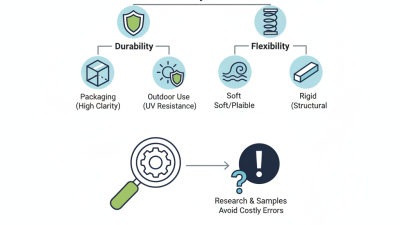
Choosing the right PVC film roll starts with understanding your specific application needs. Different industries require different qualities in film. For instance, packaging applications might need higher clarity and durability. Meanwhile, applications in construction may prioritize thickness and weather resistance.
Identifying your specific requirements helps narrow down options. Are you looking for UV resistance? Consider the exposure level. Do you need flexibility? The thickness and formulation become crucial. It’s also essential to assess the environment where the film will be used. High temperatures or exposure to chemicals can drastically affect performance.
Reflecting on your needs may reveal overlooked factors, such as pricing or availability. Sometimes, the ideal film isn’t the most expensive one. Gathering feedback from users who have faced similar challenges can provide insights. Take time to understand your needs before making a decision. Balancing practical functionality with cost is not always straightforward. Ensuring you have the right specifications will lead to better outcomes.
Comparison of Different PVC Film Types for Various Applications
This bar chart illustrates the popularity of various types of PVC films in different applications based on their common usage percentages. Clear films are widely used, while textured films have a smaller market share.
Assessing Quality Factors: Thickness, Clarity, and Durability
Choosing the right PVC film roll requires careful consideration of specific quality factors. Thickness plays a crucial role. Thicker films tend to offer more durability and resistance to tearing. However, they can be less flexible. It’s essential to find a balance based on your intended use. For packaging purposes, a thinner film may suffice, while construction applications might demand greater thickness.
Clarity is another important factor. A film with high clarity enhances visibility and the overall presentation of products. If the film is too cloudy, it can detract from branding efforts. Assessing clarity often involves holding the film up to light. This simple test can reveal its transparency. Durability shouldn't be overlooked. A film that is strong and resistant to environmental factors will perform better over time. Consider factors like UV resistance or weatherproofing based on usage.
Reflecting on these qualities leads to better purchasing decisions. Remember that one size does not fit all. Each application may have unique requirements. Engaging with suppliers can offer valuable insights, but it's wise to question their recommendations. Not every suggestion will align with your specific needs. Take your time to evaluate different options.
Evaluating Supplier Reputation and Customer Reviews for PVC Films
When selecting a PVC film roll, supplier reputation plays a critical role. Reviews from previous customers can provide vital insights. According to industry reports, nearly 70% of buyers check online reviews before making a purchase. These reviews can inform you about the film's quality and the supplier's reliability.
A reputable supplier often has a track record of high-quality products. Look for ratings that highlight durability, flexibility, and clarity of the film. The American Plastics Council states that films with a thickness of at least 0.5 mm tend to perform better in various applications. Even one negative review can be a red flag, particularly if multiple comments highlight the same issue.
It's essential to dig deeper than star ratings. Customer feedback should be specific and detailed. Pay attention to comments about shipping times, customer service, and product performance in real-life applications. Qualitative insights can be more impactful than quantitative scores. Suppliers who engage actively with customers show credibility. Yet, not every review is perfect. It's important to weigh both positive and negative feedback carefully.
Cost Considerations: Budgeting for Your PVC Film Roll Purchase
When budgeting for a PVC film roll, understanding costs is crucial. The average price for PVC film can range from $0.50 to $2.00 per square meter, depending on the quality and thickness. Industry reports indicate that high-quality films tend to lead to fewer issues during production, thus saving costs in the long run. However, choosing a cheaper option might seem tempting, often resulting in higher expenses due to defects or shorter life spans.
Cost factors extend beyond the film's price per square meter. Shipping costs can impact total expenses significantly. For larger orders, freight charges may add a notable amount. Additionally, if you require custom sizes or thicknesses, that can also lead to escalating costs. Always consider these variables when planning your budget. It's essential to strike a balance between cost savings and quality assurance.
Some businesses overlook hidden costs associated with PVC films. For instance, production delays caused by poor-quality films may lead to lost revenue. As a result, investing slightly more in a reliable film can be more economical in the end. Research shows that companies typically save up to 20% on operational costs when investing in better-quality materials initially. It's a decision that deserves careful thought and reflection.