How to Choose the Best PVC Film Sheet for Your Project?
Choosing the right PVC Film Sheet for your project can be daunting. The global PVC film market was valued at approximately $45 billion in 2022. It is expected to grow steadily. This growth reflects a rising demand across various industries, from packaging to construction. With numerous options available, making the right choice is essential.
Understanding specific requirements is crucial. Consider factors like thickness, clarity, and flexibility. Many projects fail due to overlooked details like compatibility or durability. The wrong PVC Film Sheet can lead to inefficiencies and increased costs. For example, a miscalculation in thickness could compromise the film's integrity. Real-world applications have shown that selecting high-quality sheets can significantly impact production outcomes.
Industry reports indicate that the right PVC Film Sheet enhances performance and longevity. However, this decision requires reflection on intended use. Gather insights from both suppliers and past experiences. A careful examination of needs will lead to better choices, ultimately influencing project success.

Understanding the Different Types of PVC Film Sheets Available
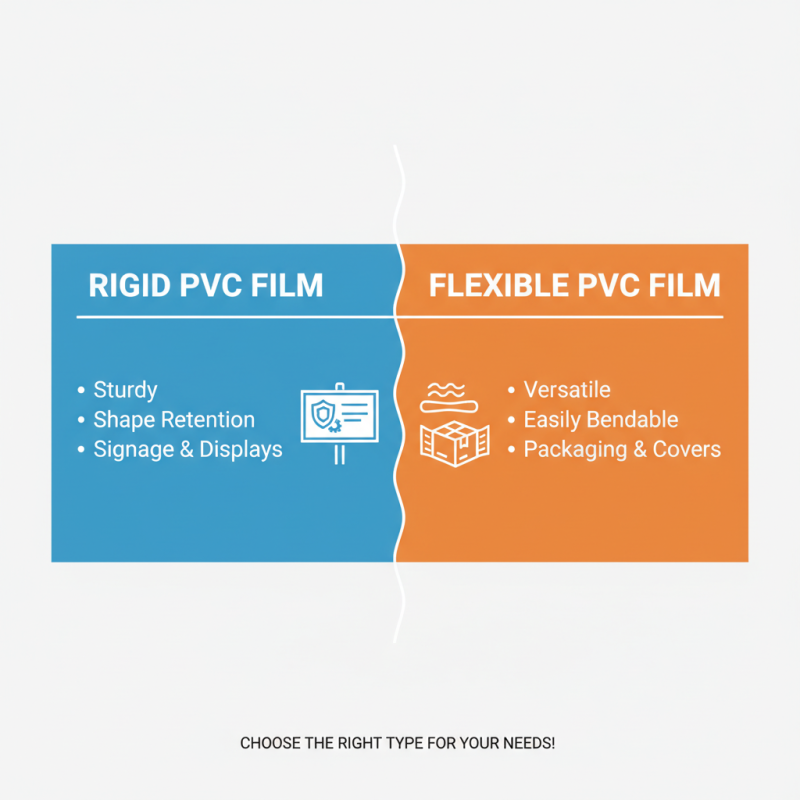
When selecting PVC film sheets, it’s essential to understand the different types available. Generally, there are two main categories: rigid and flexible. Rigid PVC film is sturdy and often used in applications requiring shape retention. For instance, it’s common in signage and displays. On the other hand, flexible PVC sheets are more versatile. They can bend easily, making them suitable for packaging and protective covers.
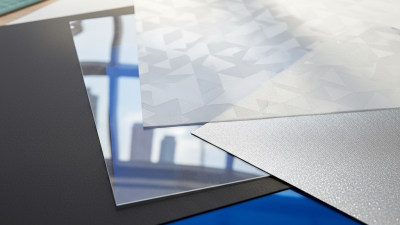
Another factor to consider is the thickness of the film. Thicker sheets often provide better durability. However, they may be less adaptable for certain uses. For a project needing a lightweight solution, thinner sheets might be more appropriate. Additionally, look into the texture options available. Smooth finishes are ideal for prints, while textured surfaces might reduce glare.
Reflecting on the finish and color is also important. Clear sheets allow visibility while colored options can enhance aesthetics. It's easy to overlook these details, but they significantly impact your project's success. You may find that a simple color change can dramatically alter appearance and functionality. Take the time to assess what suits your needs best.
Assessing the Physical Properties of PVC Film Sheets
When selecting the right PVC film sheet for a project, understanding its physical properties is crucial. PVC film sheets come in various thicknesses, generally ranging from 0.1 mm to 2 mm. Thicker films tend to be more durable, while thinner films offer flexibility. Industry reports indicate that a 0.5 mm sheet is suitable for standard applications, but heavier-duty tasks might require a thickness of 1 mm or more.
Moreover, transparency is another key property to assess. High-quality PVC sheets often achieve over 90% light transmission. This is essential for applications needing visibility and light transfer. However, not all producers hit this mark, leading to variability that can affect the final product. Manufacturers sometimes compromise transparency for cost, which can be a red flag.
Finally, the film's chemical resistance plays a significant role. Some PVC sheets can withstand specific solvents while others cannot. A recent study highlighted that 30% of PVC sheets tested showed significant degradation when exposed to harsh chemicals. This inconsistency emphasizes the need for thorough testing under real-world conditions. Choosing a PVC film sheet based on these properties requires careful consideration to ensure it meets project demands effectively.
Evaluating the Suitability of PVC Film Sheets for Specific Applications
When evaluating PVC film sheets for specific applications, it’s essential to consider the material's properties. Different grades of PVC offer varying levels of flexibility, durability, and resistance to environmental factors. For example, if you need a sheet for outdoor use, opt for UV-resistant options. This can help in preventing yellowing and degradation over time.
Think about the application requirements. Are you creating protective covers, signage, or packaging? Each use may necessitate distinct thicknesses and finishes. Certain projects might require a glossy finish for aesthetics. Others might prioritize matte surfaces for functionality. Sometimes, specifications may clash, leading to challenging choices.
Testing is often overlooked but crucial. Cut samples and try them in real-world conditions. Examine how they hold up under stress. Watch for any unexpected issues, such as tearing or fading. Even experienced users can miss important details. Reflection on past experiences can help refine your process for future projects.
Comparing Costs and Performance of Various PVC Film Options
When evaluating PVC film sheets for your project, consider both cost and performance. Different options exist, but they vary greatly. Understanding the costs associated with each type is crucial. Cheaper films may be tempting, but they often compromise on durability and quality. You might end up replacing them sooner than expected.
Performance is another vital factor. Some films offer better UV resistance, while others excel in flexibility. If your project requires exposure to harsh conditions, investing in higher-quality film might save money in the long run. A low-cost option might perform poorly, leaving you with a regretful choice.
Don't overlook thickness when choosing your film. Thicker sheets usually provide better longevity, but they are typically pricier. Evaluate your needs carefully. Assess how a slight increase in cost can yield better results. If budget constraints are tight, weigh your priorities. Sometimes, it’s worth a deeper look.
Comparison of PVC Film Sheet Options: Costs and Performance
Tips for Sourcing High-Quality PVC Film Sheets for Your Project
When sourcing high-quality PVC film sheets, several factors come into play. Assess the thickness and transparency. Reports indicate that the optimal thickness for durability is typically between 0.2mm and 2.0mm. Clarity is significant, especially for packaging, as 85% of consumers prefer clear packaging that showcases the product.
Consider the source of the materials. Local suppliers may provide faster shipping times, but international manufacturers could offer competitive prices. However, not all suppliers meet industry standards. A study by the Plastic Industry Association noted that 30% of suppliers fail quality checks. Always verify certifications before making a purchase.
Look for manufacturers that guarantee consistency in their products. Variations can affect your project's success. Aim for a supplier that can provide test samples. This will help you assess color accuracy and flexibility better. Remember that feedback from previous clients is invaluable. Some reviews may reflect issues with delivery or quality. Take time to read between the lines. It can lead to a more informed decision. Your project's success could depend on these details.
How to Choose the Best PVC Film Sheet for Your Project? - Tips for Sourcing High-Quality PVC Film Sheets for Your Project
| Criteria |
Description |
Importance Level |
Typical Applications |
| Thickness |
The thickness of the PVC film impacts durability and application suitability. |
High |
Packaging, signage, protective covers |
| Transparency |
Clear vs. opaque options can greatly affect visibility. |
Medium |
Display cases, windows, cosmetic packaging |
| UV Resistance |
Resistance to UV radiation prolongs the life of the film outdoors. |
High |
Outdoor signage, automotive applications |
| Chemical Resistance |
Ability to withstand various chemicals without degrading. |
High |
Industrial applications, medical packaging |
| Surface Finish |
Glossy vs. matte finish affects aesthetics and usage. |
Medium |
Cosmetic products, retail packaging |
| Price |
Cost per square meter can vary widely based on quality. |
Medium |
All applications, budget considerations |