How to Choose the Best PVC Roll for Your Project Needs?
Choosing the right PVC roll can significantly impact your project's success. PVC rolls are versatile materials used across various industries. They are ideal for flooring, banners, and protective coverings.
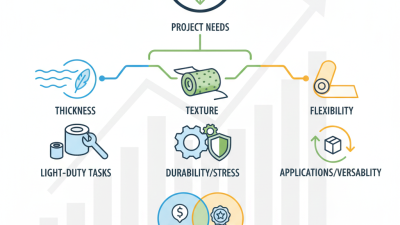
When considering a PVC roll, assess its thickness, durability, and intended use. Think about where it will be applied. For instance, a thicker roll may suit high-traffic areas better. It’s essential to consider both aesthetic and functional qualities. The design should align with your project's needs while providing the durability required.
Many options exist in the market, making selection challenging. Each type has its unique features and benefits. Thus, understanding your project's specific requirements is vital. Reflect on the importance of quality; a poor choice can lead to more expenses down the line. Be mindful, as not all PVC rolls are created equal. Finding one that meets your needs is crucial for long-term satisfaction.
Understanding PVC Roll Types and Specifications
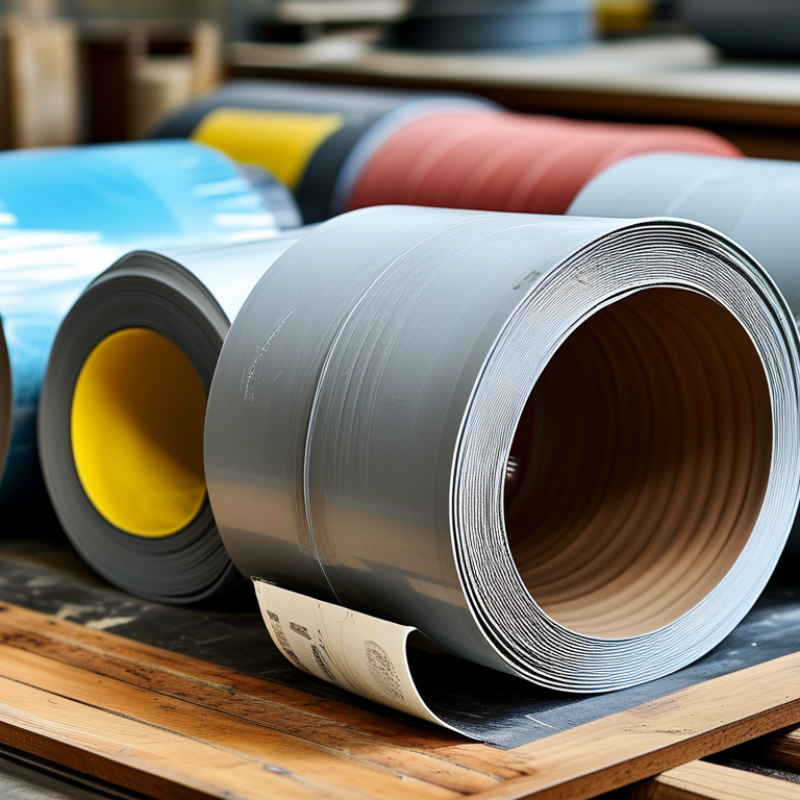
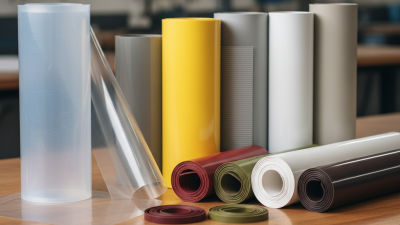
When selecting the right PVC roll for your project, understanding the various types and specifications is crucial. PVC rolls come in different grades, thicknesses, and colors, each serving unique purposes. Standard options include flexible and rigid PVC, with flexible rolls often used for graphics and signage, while rigid ones are common in construction materials. Knowing the specific requirements of your project can help guide your choice.
Tips: Always check the thickness of the PVC roll you need. A thicker roll typically offers better durability and resistance to wear and tear. Additionally, consider the color and finish, as these elements can significantly impact the final look of your project. For outdoor use, select UV-resistant rolls to prevent fading over time.
Pay careful attention to the specifications provided by the manufacturer. Often, the label will indicate the roll's intended usage and limitations. It’s important to reflect on whether the PVC roll aligns with your project's longevity and performance goals. Engage with experts or consult industry guidelines to enhance your understanding.
Evaluating Project Requirements for PVC Roll Selection
When selecting PVC rolls for your project, understanding your requirements is crucial. Consider the intended use of the material. Will it be for flooring, wall coverings, or industrial applications? Each use case demands different types of PVC. For example, flooring materials need to withstand heavy foot traffic, requiring a thicker and more durable roll.
Next, evaluate the environment where the PVC will be installed. High humidity levels may necessitate specific formulations that resist moisture. Understanding the exposure to chemicals or UV light is also vital. A roll that performs well indoors might fail outside. This kind of assessment helps in avoiding costly mistakes later.
Additionally, think about the aesthetics of the project. Color, texture, and pattern can significantly affect the outcome. It’s worth considering how these visual elements align with the overall design. Don’t forget to check installation requirements and maintenance care, as these factors can impact long-term satisfaction with your choice. Reflect on your project goals and seek expert advice if needed. The right PVC roll should enhance your project, not complicate it.
Comparison of Different PVC Rolls for Various Project Needs
Key Features to Consider When Choosing PVC Rolls
When selecting a PVC roll, consider the thickness carefully. Thicker rolls often provide better durability. However, they can be challenging to work with. If flexibility is needed, thinner rolls may be the solution. Assess the intended use before making your choice.
Another key feature is the surface texture. Smooth surfaces are ideal for easy cleaning. Textured options can offer better grip, which is essential in some environments. Also, check the roll width. A wider roll may reduce seams but can be harder to handle.
Be mindful of the roll’s resistance to chemicals and UV exposure. Some projects require materials that can withstand harsh environments. Evaluate your specific needs. This ensures that the PVC roll can perform effectively in your setting. Remember, it’s important to balance quality and budget.
Comparing Cost and Quality of Different PVC Rolls
When selecting PVC rolls for your project, cost and quality are crucial factors. The price of PVC rolls varies widely. Quality often correlates with this price, but not always. Some cheaper options may not perform well, leading to increased long-term costs. It's essential to consider the material thickness, density, and finish. Thicker rolls may offer better durability but can be more expensive. Thin rolls may break easily, so weigh these attributes carefully.
Comparing costs can reveal surprising discoveries. One might find that a slightly more expensive roll lasts significantly longer than a cheaper alternative. Evaluating user reviews and expert insights can enhance decision-making. Quality PVC should resist factors like UV light and moisture. Low-quality rolls may fade and degrade quickly. Look for certifications or performance ratings when possible. This information is often available through suppliers or manufacturers. Researching these details can save time and money in the long run.
Reflecting on the choices made is also important. Sometimes, opting for a lower-cost option can seem wise initially. However, experience shows that immediate savings can lead to regrets. Learning from such experiences will improve future project outcomes. Investing in quality PVC rolls may require a larger upfront cost, but the benefits typically pay off.
Tips for Sourcing and Buying PVC Rolls for Your Project
When sourcing and buying PVC rolls for your project, consider specific factors that ensure quality and suitability. According to the PVC Industry Group, global demand for PVC is projected to reach 40 million tons by 2025. This data emphasizes the importance of informed purchasing decisions.
One crucial tip is to examine the thickness of the PVC roll. Thicker rolls offer more durability and resistance to wear and tear. Opt for a thickness that matches your project requirements. Another aspect is the texture. Smooth finishes provide resilience for easy cleaning, while textured surfaces can enhance grip for safety.
Check supplier reliability. Research suppliers who have a track record of consistency. Reviews and industry testimonials can give insights into their reputation. It is essential to also review certificates of quality assurance. A good PVC should comply with relevant standards.
Always request samples before making a large investment. This helps you evaluate the material’s quality firsthand. Consider the color options as well, which can impact aesthetics and functionality. Remember, not all PVC rolls are created equal; what works for one project may not suit another. Each project’s demands could vary—keep asking questions and seeking clarity.