Why Choose PVC Blood Bags for Safe Blood Storage and Transfer?
The medical world depends on effective blood storage solutions. PVC blood bags have become essential in this field. Dr. Emily Wong, a leading expert in transfusion medicine, emphasizes, "PVC blood bags ensure safety and reliability in blood transfer." This statement highlights the critical role of PVC blood bags.
PVC blood bags provide durability and flexibility. They can withstand temperature changes, making them reliable for transportation. Many hospitals trust these bags because they prevent contamination. However, some concerns need addressing. The environmental impact of PVC materials can be significant. Careful consideration is needed regarding disposal and recycling.
The ongoing debate around PVC blood bags reflects a broader issue. While they are effective, we must also think about sustainability. Innovations are necessary to improve both safety and environmental impact. Balancing these factors is crucial for the future of blood storage solutions.

Overview of PVC Blood Bags in Healthcare Applications
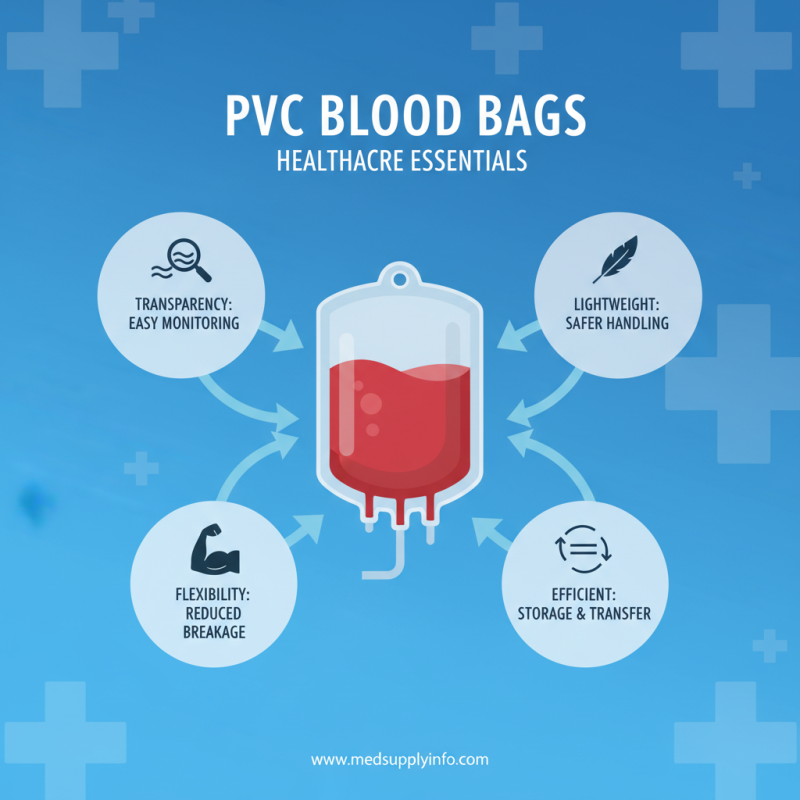
PVC blood bags are widely used in healthcare for storing and transferring blood. These bags offer transparency, allowing healthcare professionals to easily monitor fluid levels. The lightweight nature of PVC makes handling safer and more efficient. Their flexibility helps in reducing the chances of breakage during transport.
One of the notable features of PVC bags is their ability to maintain the integrity of stored blood products. While they are effective, some questions arise regarding their environmental impact. The disposal of these bags raises concerns about sustainability. Healthcare providers are increasingly reflecting on these issues while balancing efficacy and environmental responsibility.
The design of PVC blood bags has evolved over the years. They incorporate features that enhance usability, such as different connector types and sizes. Still, there is room for improvement in sterilization processes. Ensuring complete sterility is vital, as any lapse could compromise patient safety. Continuous innovation is necessary to address these challenges in blood management.
Benefits of Using PVC for Blood Storage and Transfer
PVC blood bags have become a preferred choice for blood storage and transfer. They provide significant advantages in safety and efficiency. According to a report by the World Health Organization, PVC bags are highly effective in preventing contamination. This feature is vital in ensuring the safety of blood products.
PVC offers excellent durability and flexibility. Studies show these bags can withstand varying temperatures without compromising their integrity. This is crucial during transportation, as temperature fluctuations can harm blood components. Additionally, PVC bags are less prone to leakage, minimizing the risk of loss and contamination during transfer.
**Tip:** Always check the storage conditions recommended by health authorities. Proper storage ensures the quality of blood products.
Despite these benefits, there are challenges. Some argue PVC can release harmful chemicals under extreme conditions. This concern underlines the importance of rigorous testing and quality control. Regular audits can help ensure that blood bags meet safety standards.
**Tip:** Consider using bags with advanced filtration systems to reduce risks. Filtering out potential toxins can enhance safety further.
Benefits of Using PVC Blood Bags for Safe Blood Storage and Transfer
Safety Features of PVC Blood Bags Compared to Alternatives
PVC blood bags have become a popular choice for safe blood storage and transfer. One of their notable safety features is excellent durability. These bags resist tearing, which can be crucial during transportation. They can handle varying temperatures, making them suitable for diverse environments. However, while they offer great physical resilience, some may wonder about their chemical interactions with blood.
When comparing PVC bags to alternatives, sealing quality stands out. PVC bags are often heat-sealed, ensuring a tight closure. This reduces the risk of contamination. Additionally, the smooth surface of PVC minimizes the growth of bacteria. It is essential to consider that, while effective, these materials may leach certain compounds over time. Thus, ongoing research is needed to address long-term safety concerns.
Another aspect worth mentioning is visibility. PVC bags usually have clear material, allowing easy observation of contents. Healthcare professionals can quickly assess the bag’s state. However, light exposure can degrade blood products. Balancing visibility and protection is a challenging task for manufacturers. Overall, while PVC bags provide many advantages, continuous evaluation is necessary to enhance blood storage safety.
Why Choose PVC Blood Bags for Safe Blood Storage and Transfer?
| Feature |
PVC Blood Bags |
Alternatives (e.g., Polyolefin) |
| Cost-Effectiveness |
Low production cost, widely used |
Higher cost, less availability |
| Oxygen Permeability |
Suitable permeability for blood storage |
Lower permeability, risk of oxidative damage |
| Leachates |
Minimal leaching, safe for blood |
Higher risk of leachate contamination |
| Temperature Stability |
Good stability for refrigerated storage |
Potential instability at varying temperatures |
| Flexibility |
Highly flexible for easy handling |
Less flexible, making handling difficult |
| Seal Integrity |
Excellent seals during storage |
Variable seal strength |
Environmental Considerations of PVC Blood Bags
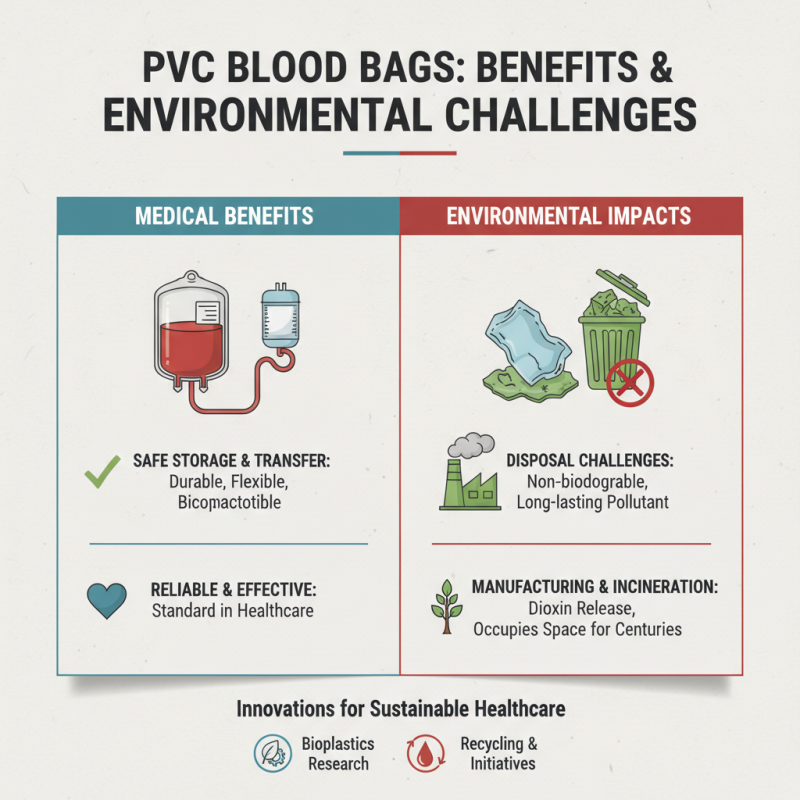
PVC blood bags are becoming a preferred choice for safe storage and transfer of blood. However, we must also reflect on their environmental impact. PVC, or polyvinyl chloride, is a widely used plastic that is durable and effective. Yet, this same durability poses a problem when it comes to disposal.
The recycling process for PVC is complex and not widely adopted. Many facilities do not have the means to recycle these bags. This leads to a significant amount of plastic waste. While using PVC can help in blood storage, it's essential to consider the long-term environmental consequences.
Moreover, the production of PVC contributes to pollution. The chemical processes involved can release harmful substances into the environment. It is crucial to weigh these factors against the benefits. Finding a balance between effective medical solutions and sustainability is challenging. Innovative approaches to recycling and alternative materials are essential for improving the situation.
Future Developments in Blood Bag Technology and Materials
The advancements in blood bag technology have been remarkable. Researchers are exploring innovative materials that could replace traditional options. For instance, bioengineered materials promise improved compatibility with various blood components. They aim to minimize the risk of hemolysis during storage.
Future developments may also include smart bags that monitor conditions in real-time. These bags could detect temperature variations or contamination, alerting medical staff instantly. Such features could greatly enhance blood safety in transit or storage.
However, challenges persist. Integrating advanced technology while keeping costs manageable is complex. Some innovations may not perform as expected in real-world scenarios. Testing and adaptation are essential to ensure reliability. The path to safer blood storage and transfer is promising, but requires careful consideration of potential pitfalls.