Why Choose Pvc Film Sheet for Your Business Needs?
In today’s competitive market, choosing the right materials can greatly impact your business. PVC film sheet has emerged as a popular choice for many industries. According to industry expert Dr. Emily Carter, "PVC film sheets offer versatility that can enhance product presentation and durability."
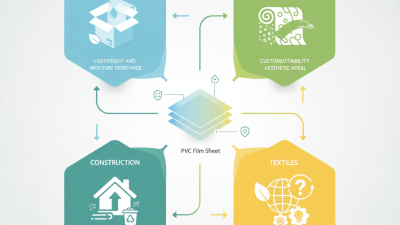
PVC film sheets are lightweight, affordable, and provide excellent moisture resistance. These characteristics make them an ideal solution for packaging and product displays. However, it’s essential to consider specific applications carefully. Not every project may find PVC film sheets suitable due to varying environmental concerns and regulatory standards.
Understanding the nuances of PVC film sheets can elevate your business strategy. While the advantages are clear, some businesses may overlook the long-term implications of their material choices. Evaluating your needs with a professional will ensure you make informed decisions that align with your goals. Hence, the integration of PVC film sheets should be approached thoughtfully.
Benefits of Using PVC Film Sheet in Various Industries
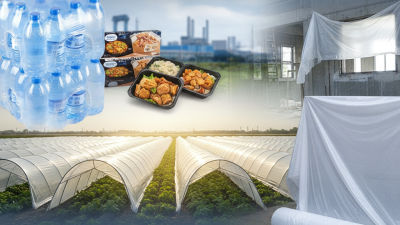
PVC film sheets have become essential in various industries due to their versatility and durability. These sheets serve as protective barriers in packaging applications. They can withstand moisture, chemicals, and UV exposure, making them a reliable choice in environments that demand high resilience. In the food industry, PVC film sheets ensure that products stay fresh and uncontaminated during storage and transport. They are also lightweight, which helps reduce shipping costs.
In the construction sector, PVC film sheets are used as moisture barriers and insulation. Their flexibility allows easy handling and installation. However, there are concerns about long-term environmental impact. Businesses must balance the benefits of PVC with sustainable practices. This reflection is crucial for companies aiming for eco-friendliness.
Furthermore, industries such as automotive benefit from PVC’s ability to be molded into various shapes. This adaptability meets diverse design needs.
Despite its advantages, there can be challenges. For example, temperature sensitivity can affect PVC performance. Proper storage conditions are necessary to ensure quality. Some businesses might overlook these factors, leading to reduced product effectiveness. A careful approach is needed to fully harness the benefits of PVC film sheets while maintaining quality standards.
Comparison of PVC Film Sheet with Other Materials
When considering materials for various applications, PVC film sheets stand out due to their versatility. Compared to other materials like paper or metal, PVC offers unique advantages. It is resistant to moisture and chemicals, which makes it ideal for packaging and protective covers. Other materials often lack this combination of durability and flexibility. While paper may be eco-friendly, it cannot match the longevity of PVC.
Metal sheets are strong but heavy. They often require special handling and additional costs for shaping and installation. PVC's lightweight nature simplifies transportation and handling. However, some might worry about the environmental impact of PVC production. Balancing durability with sustainability is a challenge. The recycling options for PVC continue to evolve, but they are not perfect yet.
In many cases, PVC film sheets can also be customized with color and thickness. This adaptability allows businesses to tailor their materials to specific needs. Other materials may not provide the same level of customization without significant investment. While PVC has advantages, it’s essential to weigh these options carefully. Each material has its strengths and weaknesses, deserving thoughtful consideration in your decision-making process.
Why Choose PVC Film Sheet for Your Business Needs? - Comparison of PVC Film Sheet with Other Materials
| Material |
Cost per Square Meter |
Durability |
Flexibility |
Resistance to Chemicals |
Environmental Impact |
| PVC Film Sheet |
$3.00 |
High |
Moderate |
Excellent |
Recyclable |
| Polyethylene Film |
$2.50 |
Medium |
High |
Good |
Not Biodegradable |
| Polypropylene Film |
$3.50 |
High |
Moderate |
Good |
Recyclable |
| Polyester Film |
$4.00 |
Very High |
Low |
Excellent |
Recyclable |
Applications of PVC Film Sheet in Business Environments
PVC film sheets have gained popularity across various business environments due to their versatility and durability. In packaging, these sheets provide excellent protection for products, ensuring they remain intact during transportation. Many businesses use PVC film sheets for wrapping items, as they can easily conform to different shapes and sizes, minimizing waste. The clarity of the material also enhances product visibility on retail shelves, creating an attractive display.
In construction, PVC film sheets serve multiple purposes. They are often used as protective coverings on surfaces, offering resistance to dust and debris. This not only helps in maintaining cleanliness but also prolongs the life of materials underneath. Additionally, these sheets can be utilized for temporary barriers or partitions, which can be crucial for maintaining workflow and safety on job sites. The adaptability of PVC film sheets allows companies to adjust their use based on specific needs, although that might sometimes lead to challenges in gauging their lifespan in varied conditions. Exploring the potential uses of PVC film sheets can bring efficiency but also requires careful planning to avoid underutilization.
Factors to Consider When Choosing PVC Film Sheet
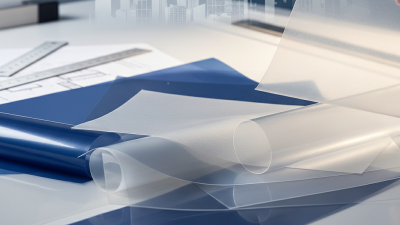
When selecting PVC film sheet for business applications, several factors come into play. It's crucial to evaluate the thickness of the sheet. A thickness range between 0.10mm to 1.00mm is standard in the industry. Thicker sheets often offer better durability and resistance to wear. However, they can be more expensive. The choice largely depends on the intended use. For instance, packaging requires thinner sheets, while protective covers need thicker options.
Transparency is another important consideration. Clear PVC film sheets enhance visibility for product packaging. This is a significant factor for retail environments, where presentation matters. According to a report by Freedonia Group, demand for transparent materials is expected to grow by 5% annually. Businesses seeking aesthetic appeal should prioritize clarity and gloss.
It's equally essential to assess the film's resistance to various environmental factors. Some applications require UV resistance or temperature stability. In such cases, a specialized PVC film can outperform standard options. However, these innovations may come at a higher cost, warranting a careful cost-benefit analysis. Not all businesses may need high-spec films. Balancing quality and budget is essential, leading to a more tailored approach based on specific needs.
Cost-Effectiveness of PVC Film Sheet for Business Operations
Cost-effectiveness is a primary reason for choosing PVC film sheets for business operations. These sheets are lightweight, durable, and versatile. They provide excellent protection for products while remaining affordable. When businesses switch to PVC film, they often see a significant reduction in packaging costs. This shift can lead to better profit margins.
The manufacturing process is also an aspect to consider. PVC films are less costly to produce compared to many alternatives. This can translate into lower prices for businesses. Moreover, the films offer excellent moisture and chemical resistance. This quality minimizes product damage during transport, reducing losses and waste.
However, businesses must assess their specific needs carefully. Not all PVC films are created equal. Some may not meet high-performance standards. It's essential to review supplier certifications and quality reports. Investing time in research may reveal opportunities for better materials that fit budget constraints while delivering necessary performance.
Cost-Effectiveness of PVC Film Sheet for Business Operations