2026 How to Choose the Best PVC Film Sheet for Your Needs?
Choosing the right PVC film sheet is crucial for various applications. An expert in the industry, John Smith, once stated, “The quality of the PVC film sheet can greatly impact project outcomes.” This statement highlights the necessity of understanding the features that matter most.
PVC film sheets are versatile products used in packaging, construction, and more. With numerous options available, selecting the best one can be overwhelming. Various factors, such as thickness, clarity, and application type, influence this decision. Engaging with professionals can provide valuable insights and recommendations.
Many users overlook important details when selecting PVC film sheets. They might focus solely on price rather than quality. This approach can lead to suboptimal results and safety risks. Consider all aspects carefully to ensure your choice meets your specific needs. Seeking expert advice can help clarify any uncertainties and lead to better outcomes in your projects.
Understanding PVC Film Sheets: Types and Characteristics
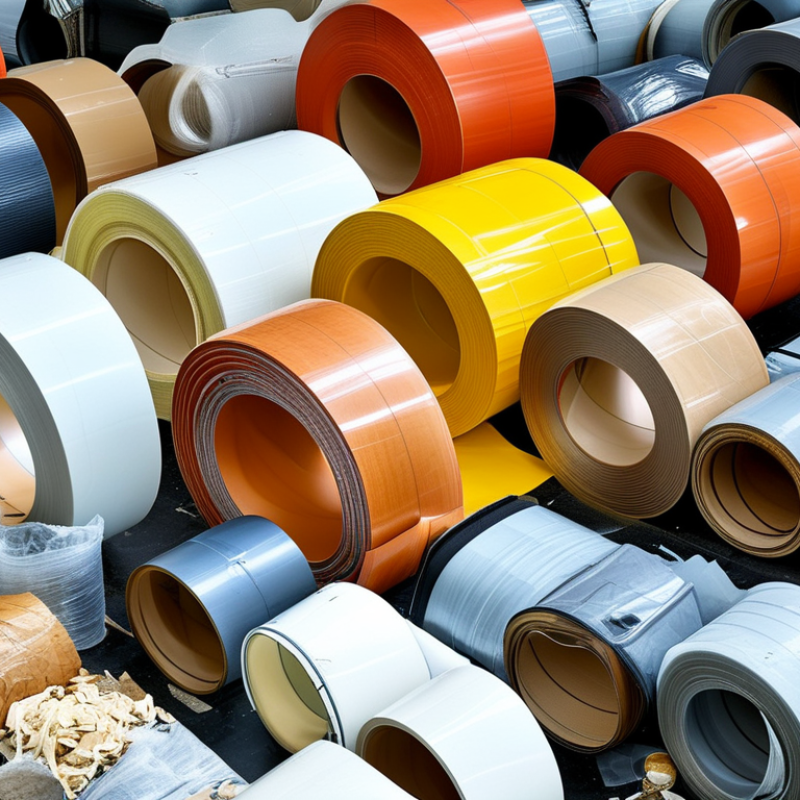
When selecting PVC film sheets, understanding their types and characteristics is essential. PVC film can generally be categorized into rigid and flexible types. Rigid PVC films are often used for applications requiring durability, such as signage and packaging. In contrast, flexible PVC films are common in industries like textiles and medical devices. According to the PVC Industry Association, the global PVC film market is projected to reach $18.4 billion by 2026, indicating significant growth and increased demand.
Different characteristics define these films, including thickness, clarity, and UV resistance. Thicker films tend to be sturdier and provide better protection. However, they can also be less flexible, which may hinder usability in certain applications. Clarity is vital for displays and packaging, impacting visibility of products. UV resistance is crucial for outdoor applications, as it helps prevent degradation. Reports suggest that films with higher UV resistance can increase product longevity by up to 30%.
Considering these factors is necessary, but challenges remain in choosing the right film. For example, balancing between flexibility and durability can be tricky. Overlooking the specific use case often leads to suboptimal choices. Products may end up being more expensive without a clear justification. A thoughtful selection process entails weighing these characteristics against the intended application.
Key Factors to Consider When Selecting PVC Film Sheets
When selecting PVC film sheets, several factors play a crucial role. First, consider the thickness of the sheets. Common thicknesses range from 0.5 mm to 3 mm, impacting both durability and flexibility. Thicker sheets generally resist tearing better, making them suitable for high-impact applications. A study by Market Research Future indicates that demand for thicker PVC sheets is projected to grow due to increased industrial applications.
The film's clarity is another vital aspect. Some applications require high transparency for aesthetic or functional purposes. Assess the optical properties of the PVC film and ensure it meets your needs. UV resistance is essential too. Sheets that resist UV degradation last longer, especially in outdoor settings. Industry reports suggest that UV-stabilized PVC films can extend product life by up to 40%.
Lastly, evaluate the sheet's chemical resistance, especially if used in industrial environments. Not all PVC films handle chemicals well. Research shows that certain formulations can withstand specific solvents and acids better than others. Ensure you match the chemical exposure level with the film's specifications. This attention to detail can prevent costly replacements and safety hazards in the long run.
Applications and Uses of PVC Film Sheets in Various Industries
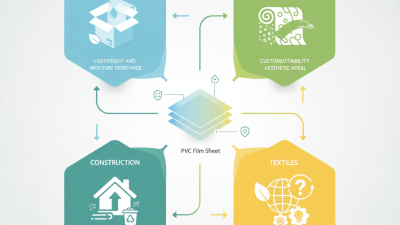
PVC film sheets are versatile materials used across various industries. They are commonly found in packaging, signage, and protective applications. In the packaging sector, PVC film protects products while providing a clear view. This transparency allows consumers to see what they are buying. In signage, the durability of PVC withstands outdoor conditions, keeping messages visible.
In the medical field, PVC films are crucial. They create barriers that prevent contamination. Hospitals rely on them for sterile packaging of medical instruments. Moreover, the automotive industry uses PVC film for interior trims and components, striking a balance between cost-effectiveness and aesthetic appeal.
Despite their many uses, not all PVC films are created equal. Choosing the right type requires understanding specific needs. Factors such as thickness, flexibility, and transparency influence performance. Some films may not adhere well under certain conditions. It's essential to assess requirements carefully. A thorough evaluation can prevent issues down the line.
2026 How to Choose the Best PVC Film Sheet for Your Needs? - Applications and Uses of PVC Film Sheets in Various Industries
| Industry |
Application |
Film Thickness (mm) |
Key Features |
| Packaging |
Flexible Packaging |
0.10 - 0.50 |
Moisture resistance, clarity |
| Construction |
Protective Sheeting |
0.30 - 1.00 |
Durability, UV stability |
| Healthcare |
Medical Packaging |
0.05 - 0.30 |
Sterilization compatibility, safety |
| Automotive |
Interior Components |
0.20 - 0.80 |
Thermal resistance, aesthetic appeal |
| Electronics |
Insulation Sheets |
0.05 - 0.25 |
Electrical stability, flexibility |
Comparing PVC Film Sheets to Other Materials: Pros and Cons
When considering PVC film sheets, it's essential to evaluate their advantages and disadvantages compared to other materials. PVC sheets are known for their durability and cost-effectiveness. According to a report by Smithers Pira, the global PVC film market is expected to reach $3 billion by 2026. This growth is driven by their strong performance across various applications, such as packaging and protective surfaces.
However, while PVC offers resilience, it’s not without drawbacks. Compared to polycarbonate and acrylic, PVC can be less transparent and more prone to UV deterioration. Recent industry analyses suggest that while PVC has a lower upfront cost, other materials may provide better longevity in specific environments. For instance, polycarbonate can withstand higher impact levels, making it a better choice for rugged applications.
It's vital to assess your specific needs. PVC excels in indoor uses due to its moisture resistance and lower production costs. Yet, in outdoor settings, the chemical stability of acrylic or polycarbonate might offer a longer lifespan. Ultimately, the choice hinges on individual requirements, reflecting the nuanced landscape of material performance in diverse applications.
Maintenance and Care Tips for PVC Film Sheets to Extend Lifespan
Maintaining and caring for PVC film sheets is essential to ensure their longevity and performance. Regular cleaning is a fundamental step. Use a soft cloth and a mild detergent solution. Avoid abrasive cleaners that can scratch the surface. Many users overlook this aspect, leading to diminished appearance and utility over time. Consistent maintenance will help preserve clarity and flexibility, which are crucial for most applications.
Storage conditions significantly affect the lifespan of PVC film sheets. Keep them in a cool, dry place away from direct sunlight. High temperatures can cause warping or discoloration. Users often underestimate the impact of environmental factors, resulting in premature wear. Additionally, handling matters; always wear gloves to prevent oils from your skin from transferring. It's a small detail that can make a big difference in preserving the integrity of the material. Taking these simple yet effective steps can greatly enhance the durability of your PVC film sheets.