Why Choose a PVC Mask for Your Safety and Comfort?
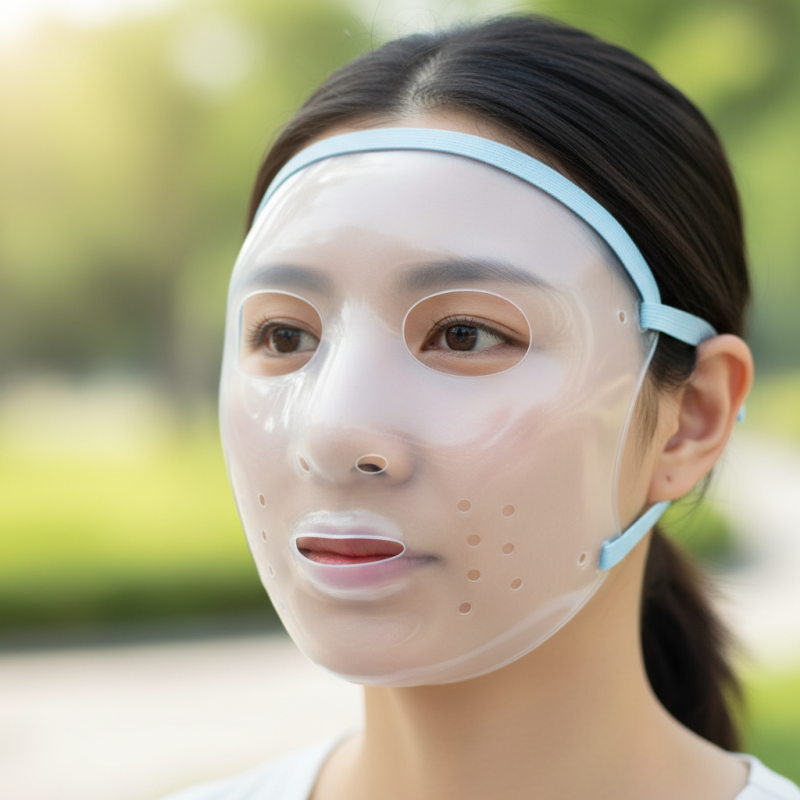
Choosing the right mask is vital for safety and comfort. A PVC mask stands out among many options. Its flexibility allows for a snug fit while maintaining breathability. The material can contour to various face shapes, enhancing comfort during extended wear.
PVC masks are lightweight yet durable. They provide protection without sacrificing ease of use. However, some might find them less comfortable in humid conditions. It’s important to weigh the pros and cons based on your environment. Not every mask suits every individual.
Considering comfort and safety is essential. A PVC mask offers reliability, but personal preference matters too. Reflecting on your experiences can lead to better choices. Make sure to prioritize what works best for your needs.
Benefits of PVC Masks for Health and Safety
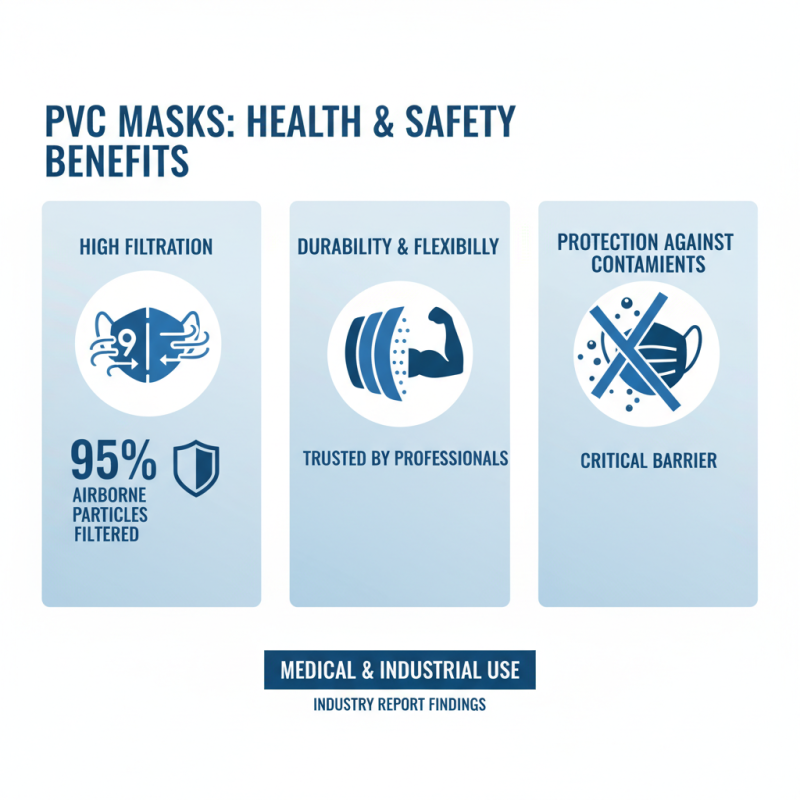
When it comes to health and safety, PVC masks offer several advantages. According to a recent industry report, PVC masks can effectively filter 95% of airborne particles. This high filtration efficiency is critical for protecting against harmful contaminants. Many professionals in medical and industrial fields trust PVC for its durability and flexibility.
Comfort is another significant benefit. PVC masks can be molded to fit different face shapes. This custom fit helps reduce discomfort during long hours of wear. A study by the Occupational Safety and Health Administration found that well-fitted masks can minimize risks of skin irritation. However, some users report slight discomfort, especially during extended use.
Breathability is essential for sustained use. Certain PVC masks incorporate breathable layers that aid ventilation. However, these designs may not always provide the highest level of filtration. Users should assess their needs carefully. For environments with high exposure to pollutants, the balance between comfort and protection remains a crucial consideration.
Comfort Features of PVC Masks for Extended Wear
PVC masks offer significant comfort features for extended wear, making them an appealing choice for many. These masks are typically lightweight, providing a more pleasant experience during long periods of use. The material itself is soft against the skin, reducing irritation. This is important for those who wear masks for hours at a time, such as healthcare workers or individuals in crowded spaces.
Another significant feature is the adjustable straps, which allow for a customized fit. Without a proper fit, masks could slide or pinch, leading to discomfort. PVC masks often have ventilation areas, ensuring breathability. However, users might find that not all styles have enough ventilation for their needs, leading to overly warm experiences. It’s essential to try different options to find what works best.
Some people find the design of PVC masks visually appealing, which can boost morale. Yet, others may feel self-conscious or find them too stiff in certain designs. There is a delicate balance between style and comfort worth considering. Making a choice should involve personal preferences and practicality. Finding a mask that is both comfortable and functional can enhance safety and promote longer wear without strain.
Durability and Maintenance of PVC Masks
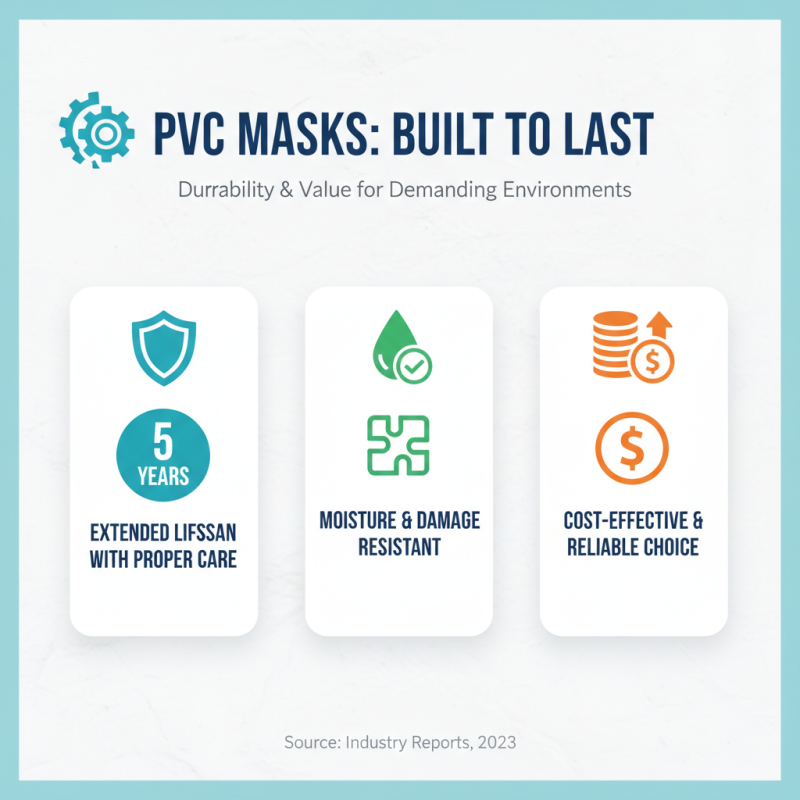
PVC masks are widely recognized for their durability and ease of maintenance. According to industry reports, PVC masks can last up to five years with proper care. This longevity makes them a cost-effective choice for those in demanding environments. The material resists moisture and not easily damaged, allowing for reliable use in various settings.
Cleaning PVC masks does not require complicated procedures. A simple wipe with a disinfectant solution can keep them hygienic. Some users report that the upkeep process saves valuable time. However, not all cleaning agents are safe for PVC. Incorrect use of strong chemicals can compromise the mask’s integrity. Users must remain vigilant about the products they choose.
While PVC is known for its resilience, the comfort of the mask is also vital. Some wearers found that prolonged use can cause discomfort. This highlights the need for regular breaks during use. Balancing durability with comfort can be challenging. Noticing the early signs of wear is critical in maintaining a safe, effective mask. Regular inspections can prevent potential issues, allowing for timely replacements.
Comparison of PVC Masks with Other Materials
When choosing a mask for safety and comfort, PVC masks stand out among various materials. Unlike cloth or paper masks, PVC offers superior durability. It is waterproof and provides a reliable barrier against contaminants. Many users find PVC masks easier to clean, making them a practical option for extended use.
Tips: Consider breathability when selecting a mask. PVC can feel less breathable than cotton. If you wear it for long hours, ensure proper ventilation. Ensure that the fit is snug to prevent air gaps.
Other materials, like fabric, are soft but may not offer the same protection. Some people may find cotton masks more comfortable for short durations. However, they might not block tiny particles effectively. It’s essential to weigh comfort against protection in your choice. Reflect on your needs and environments where the mask will be used.
Tips: Regularly assess the mask's condition. If the PVC shows signs of wear, it may not be effective anymore. Replace it promptly to maintain safety.
Applications of PVC Masks in Various Industries
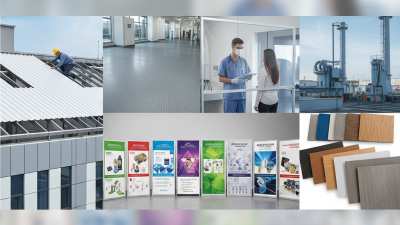
PVC masks are gaining traction across various industries, primarily due to their durability and comfort. In healthcare, these masks offer essential protection for medical staff and patients alike. They help prevent the spread of infectious diseases, making them a vital tool in hospitals. However, the level of protection can vary. It’s necessary to consider fit and the type of procedures done while using these masks.
In manufacturing, PVC masks protect workers from hazardous substances. They shield against chemical exposure and harmful particles. Many factories use these masks during paint spraying or chemical handling. Despite their utility, some workers find them uncomfortable over long periods. It’s crucial to ensure that proper ventilation is available to minimize discomfort. This is an ongoing challenge in such environments. Additionally, close monitoring of their effectiveness is needed to ensure maximum safety.
In the food industry, PVC masks help maintain hygiene standards. They prevent contaminants from entering food products during processing. Staff must wear them when handling raw materials. Yet, wearing masks can sometimes lead to lapses in communication among workers. It’s essential to address this issue through training and better mask designs. Balancing safety and comfort remains a work in progress in these fields.