Why Choose PVC Blood Bags for Safe Blood Storage?
Blood storage is a critical element in healthcare. PVC blood bags have emerged as a popular choice for this purpose. A recent report by the Global Blood Bag Market Research indicates that PVC blood bags have a 70% market share due to their durability and safety. Dr. Emily Chen, a leading expert in blood storage technology, states, “The stability of PVC blood bags ensures minimal contamination risks.”
These bags are designed to protect blood components effectively. Studies show that PVC blood bags maintain a consistent temperature, crucial for preserving blood quality. Moreover, their flexibility allows for easier handling during storage and transportation. However, some challenges remain. There are concerns about leaching and potential long-term effects on blood products, which necessitate ongoing research.
In the fast-evolving world of medical technology, the reliability of PVC blood bags is undeniable. But, as Dr. Chen cautions, we must remain vigilant. Continuous evaluation of materials used in manufacturing blood bags is essential to ensure safety. The choice of PVC blood bags reflects both innovation and responsibility in blood storage solutions.

Benefits of Using PVC Material in Blood Bag Production
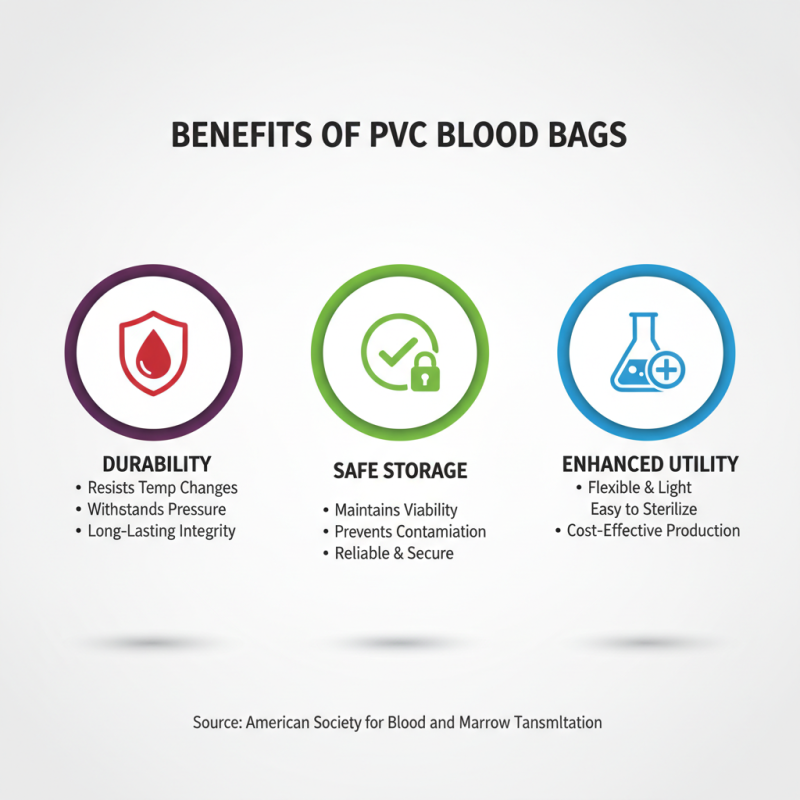
PVC (polyvinyl chloride) blood bags are increasingly recognized for their advantages in safe blood storage. The durability of PVC allows these bags to withstand temperature variations and pressure changes. A study by the American Society for Blood and Marrow Transplantation noted that PVC bags maintain integrity over long periods, ensuring that stored blood remains viable and safe.
Materials used in blood bag production affect compliance with safety standards. PVC's non-toxic nature ensures it does not react with blood components. According to a research report by the National Institutes of Health, PVC blood bags demonstrate lower levels of leachables, enhancing patient safety. Their clear visibility also aids in monitoring blood quality. The lightweight and flexible design of PVC bags facilitates easy handling during transfusions.
Tip: Always inspect blood bags for any visible damage before use. Flaws can compromise safety.
Advantages extend beyond just safety. PVC blood bags are cost-effective, reducing overall healthcare expenses. However, the environmental impact of PVC production raises concerns. More research into sustainable alternatives is needed. Choosing the right materials is critical in balancing safety and environmental responsibility.
Tip: Stay informed about ongoing research on biocompatible alternatives to PVC in medical applications.
Comparative Analysis: PVC Blood Bags vs. Traditional Materials
When considering blood storage solutions, PVC blood bags quickly stand out.
Unlike traditional glass and rubber options, PVC bags are lightweight and more flexible.
This flexibility allows for easier handling and reduces the risk of breakage. Hospitals and blood banks appreciate these qualities, as they ensure smoother operations.
Traditional materials, while once popular, have limitations. Glass bags can be heavy and cumbersome.
They also present risks of shattering, which can compromise blood integrity. Rubber materials may degrade over time, potentially affecting blood quality.
PVC bags, on the other hand, exhibit excellent chemical resistance, making them suitable for various blood components.
Despite their advantages, PVC bags are not without their drawbacks. Concerns over plasticizers used in manufacturing may arise.
These substances could leach into the blood, potentially impacting patient safety.
However, advancements in PVC formulations are addressing this issue, leading to safer options.
The focus remains on continual improvement to ensure that PVC blood bags are not only effective but also reliable for blood storage.
Impact of PVC Blood Bags on Blood Preservation and Storage Lifespan
PVC blood bags are increasingly favored for blood storage due to their unique properties. These bags can significantly enhance blood preservation and extend storage lifespan. High-quality PVC material creates a barrier against oxygen and moisture. This minimizes the risk of blood contamination and degradation over time.
One crucial advantage of PVC blood bags is their flexibility. They adapt to various shapes as they fill, reducing the risk of leaks. A well-sealed bag can maintain the integrity of the blood product for longer periods. However, it’s important to monitor storage conditions closely. Temperature fluctuations can impact the effectiveness of the bags.
Tip: Always store blood bags at recommended temperatures. Any deviation may compromise blood quality.
Some studies suggest that using PVC can yield longer expired dates for blood components. Yet, concerns about leaching chemicals exist. It is crucial to select bags that meet stringent safety standards. Regular audits can help ensure the materials used are of high quality.
Tip: Check for certification marks on blood bags. This ensures product safety and reliability.
Balancing safety and effective blood storage often requires continual evaluation of materials and practices. With ongoing improvements in technology, PVC blood bags remain a reliable option in modern transfusion medicine. These bags are essential tools, with continuous improvements making them even more effective.
Regulatory Standards and Safety Protocols for PVC Blood Bags
PVC blood bags have become the standard for safe blood storage due to their compliance with regulatory standards and safety protocols. These bags are designed to minimize the risk of contamination and ensure the integrity of blood products. Regulatory bodies evaluate PVC bags to ensure they meet stringent safety requirements. This evaluation includes testing for biocompatibility, chemical stability, and the prevention of hemolysis.
Moreover, proper usage protocols are essential. Healthcare professionals must follow guidelines to ensure blood bags are stored and handled correctly. Temperature control is vital in preserving blood quality. Regular training on these protocols is necessary, yet often overlooked in some facilities. In the rush of daily operations, some staff may neglect these crucial practices, leading to potential risks.
In addition, while PVC offers many advantages, there are also concerns. Substances in PVC can sometimes raise questions about long-term health effects. Continuous research is essential to address these worries. Ensuring the best practices and being aware of potential drawbacks is important for enhancing safety in blood storage. The emphasis should always remain on patient safety and the highest standards of care.
Why Choose PVC Blood Bags for Safe Blood Storage? - Regulatory Standards and Safety Protocols for PVC Blood Bags
| Dimension |
Specification |
Standard Compliance |
Safety Features |
| Volume Capacity |
450 mL |
ISO 13485 |
Multi-layer construction |
| Material Type |
PVC (Polyvinyl Chloride) |
FDA Approval |
Anti-coagulant coating |
| Shelf Life |
12 months at 4°C |
CE Marking |
UV protection |
| Storage Temperature |
2 - 6 °C |
AABB Standards |
Leak-proof design |
| Blood Bag Color |
Transparent |
ISO 11135 |
Tamper-evident seal |
Environmental Considerations and Sustainability of PVC Blood Bags
The choice of PVC for blood bags ties directly to environmental considerations and sustainability. PVC has a long track record in healthcare. According to the World Health Organization, about 1.5 million units of blood are collected annually, highlighting the need for safe, reliable storage options. PVC is not only effective in blood preservation but also recyclable, which presents a pathway to reducing medical waste.
While PVC allows for efficient transportation and storage, its sustainability needs scrutiny. Reports suggest that PVC production involves significant energy consumption, which raises carbon footprint concerns. However, advancements in recycling technologies are addressing these issues. Studies reveal that recycled PVC can maintain similar properties to virgin materials, supporting a circular economy in medical applications. It's a promising direction, yet the industry must work harder. Recycling rates for PVC are relatively low, at only 15% globally.
Another aspect is the lifecycle impact of these products. PVC blood bags can last for years if properly managed. Yet, the challenge remains in collecting and recycling them post-use. Efforts to improve public awareness about recycling are critical. The medical community must ensure that sustainability does not take a back seat in the drive for innovation. Balancing safety with environmental concerns is a complex, ongoing journey for the healthcare sector.