How to Choose the Best PVC Roll for Your Project Needs?
Choosing the right PVC roll for your project can significantly impact its success. The global PVC market has shown robust growth, projected to reach $85.83 billion by 2026, according to a recent industry report. This demand stems from its versatility, durability, and cost-effectiveness in various applications, from construction to packaging.
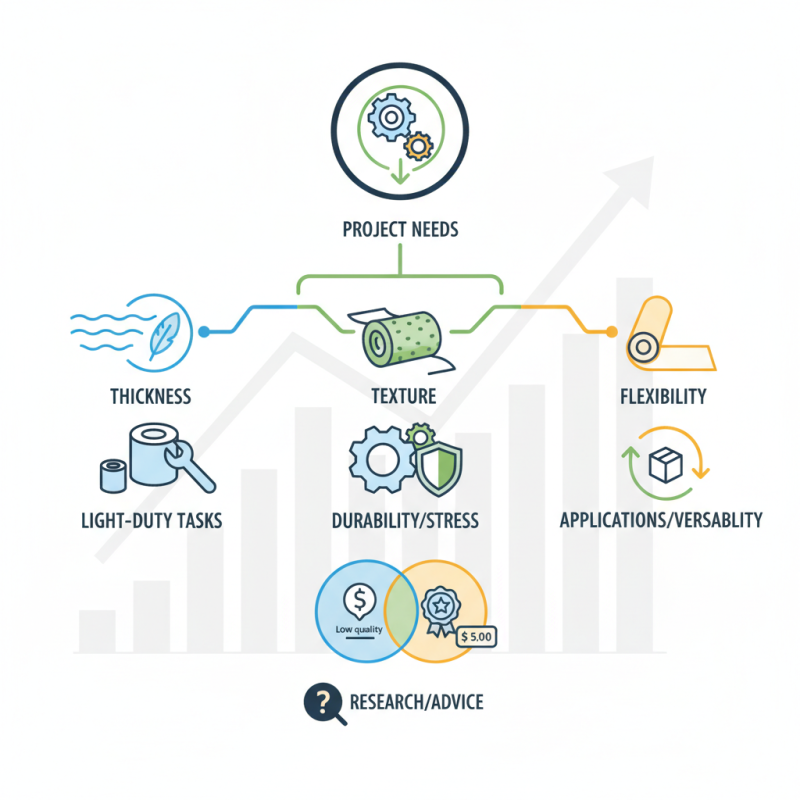
When selecting a PVC roll, factors like thickness, texture, and flexibility are crucial. Different applications require different specifications. For instance, thinner rolls may suffice for light-duty tasks, while thicker options offer enhanced durability for high-stress environments. It's essential to balance quality and affordability, as lower-cost options might compromise performance under specific conditions.
Consider your project's unique needs. Reflect on the long-term implications of your choice. In the wrong context, a PVC roll can lead to failures, increased costs, or safety risks. Research and expert advice can guide your decision, helping you maximize the value of your investment.
Understanding the Basics of PVC Rolls: Types and Specifications
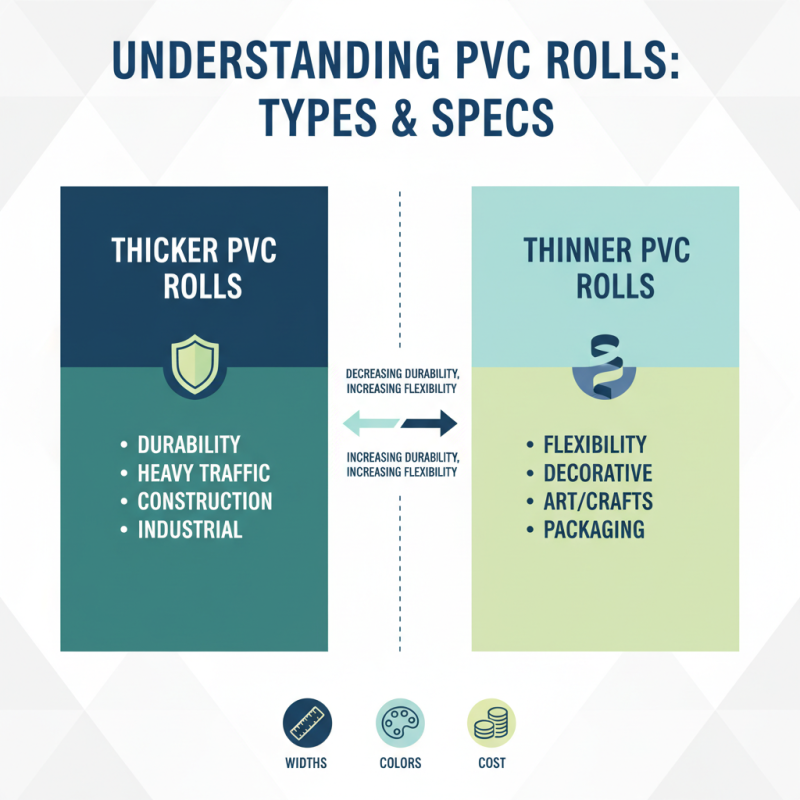
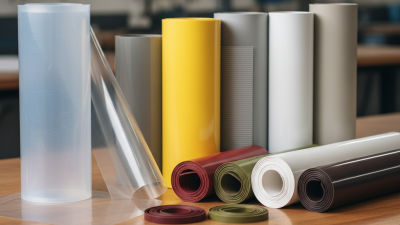
When choosing PVC rolls for your project, understanding the various types and specifications is crucial. PVC rolls come in different thicknesses, widths, and colors. Thicker rolls usually offer better durability, while thinner ones may be more flexible. In construction, for instance, a thicker roll could withstand heavy traffic, while a thinner option may be suitable for decorative finishes. Each type has its unique benefits and drawbacks.
To make an informed decision, consider the environmental conditions. Factors such as exposure to UV light or chemicals can affect the longevity of PVC. Some rolls are better suited for indoor use, while others are designed for outdoor applications. Knowing the right specifications will prevent costly mistakes down the line.
It’s important to assess the intended use thoroughly. Will your project require additional features, such as flame resistance or anti-static properties? Not all PVC rolls come with these extras. Reflecting on your project’s requirements can help streamline your selection process. Be mindful that what works for one project may not be suitable for another, so take your time to choose wisely.
Assessing Your Project Requirements: Size, Thickness, and Durability
When choosing a PVC roll, evaluating project requirements is crucial. Start by considering the size. Measure the area where the PVC will be installed. Ensure the roll fits your space perfectly. Gaps can lead to complications, like water damage or inefficiency. Too small, and you may waste time and resources.
Thickness is another vital aspect. Thicker PVC offers more durability. It can withstand heavy use and resist punctures better. This is especially important for flooring in high-traffic areas. However, thicker rolls can be challenging to cut and install. Evaluate if your team has the tools and skills to handle them.
Durability ties everything together. Consider your environment. Will the PVC face extreme temperatures or moisture? These factors influence your roll's lifespan. Research other projects similar to yours. Their experiences can guide your choice. Rather than rushing, take the time to reflect on your needs. The right PVC will save you headaches later.
Choosing the Right PVC Roll: Key Factors
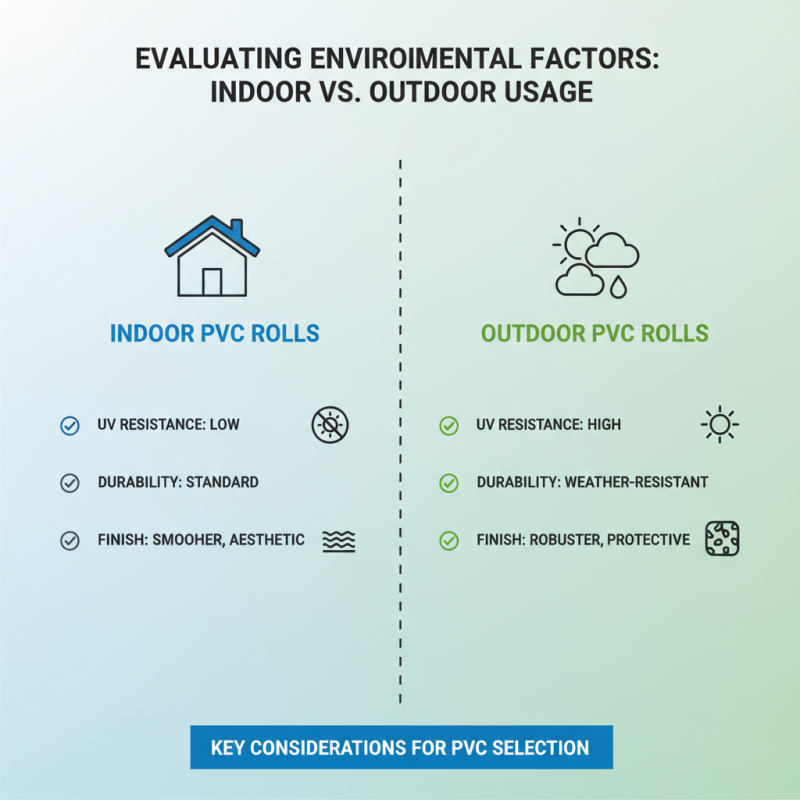
Evaluating Environmental Factors: Indoor vs. Outdoor Usage
When selecting PVC rolls, understanding the environmental conditions is crucial. Indoor and outdoor settings have different requirements. Indoor PVC is typically less durable against UV exposure. It often has a smoother finish, ideal for aesthetics. Meanwhile, outdoor PVC must withstand harsh weather, UV rays, and temperature changes.
Research shows that outdoor PVC needs a high-quality coating to resist fading. According to a study from the Vinyl Institute, poor-quality outdoor PVC can degrade significantly in less than five years. This could lead to increased maintenance costs. Indoor projects generally prioritize ease of maintenance and design flexibility over extreme durability.
The choice between indoor and outdoor PVC rolls also hinges on application specifics. Flooring, wall coverings, and industrial uses have varying demands. For example, industrial applications may require thicker rolls to tolerate high traffic. It’s important to assess the specific conditions of use. By evaluating factors like location and intended wear, you can select the appropriate PVC roll for your needs.
Comparing Cost and Quality: Finding the Best Value for Your Budget
When selecting the best PVC roll for your project, cost and quality are crucial factors. PVC rolls come in various grades, affecting both performance and price. A recent market analysis shows that high-quality PVC rolls can range from $1 to $3 per square foot. Cheaper options may cause issues like warping or fading, leading to higher costs in repairs. For large projects, these differences can add up quickly.
Consider the specific requirements of your project. For instance, a durable roll suitable for outdoor use may be more expensive but will save money in the long run. According to industry reports, investing in quality materials can reduce maintenance costs by up to 40%. However, cheaper rolls might seem appealing initially. They can result in frequent replacements and more waste generated, negatively impacting sustainability goals.
Balancing cost and quality is not straightforward. Ideally, you want a product that meets your budget while also ensuring longevity. Some products appear high-quality at first glance but lack durability. Do your research and read reviews discussing performance under real-world conditions. It’s essential to weigh these details before making a final decision.
Installation and Maintenance Tips for PVC Roll Applications
When working with PVC rolls, proper installation is crucial for achieving long-lasting results. Start by preparing the surface where the roll will be laid. Ensure it is clean and smooth. Uneven surfaces can lead to bubbling and wear over time. Measure carefully before cutting the roll to avoid waste. A straight edge and a sharp utility knife will provide clean cuts.
Maintenance is equally important in extending the life of your PVC application. Regular cleaning with mild soap and water will prevent dirt buildup. Avoid harsh chemicals, as they can degrade the material. Inspect the installation periodically for signs of wear. Pay attention to seams and edges, where damage is likely to occur. Over time, some sections may need reinforcement or replacement.
Mistakes can happen, and not every installation is perfect. It’s common to encounter issues like air bubbles or misaligned sections. If you notice these, don’t hesitate to correct them immediately. Refining your technique will improve the outcome of future projects. Learning from these moments is key to mastering PVC roll applications.
How to Choose the Best PVC Roll for Your Project Needs? - Installation and Maintenance Tips for PVC Roll Applications
| Dimension |
Thickness (mm) |
Roll Length (m) |
Roll Width (m) |
Application Area |
Maintenance Tips |
| Standard |
2.0 |
20 |
1.5 |
Floors |
Sweep regularly and avoid harsh chemicals. |
| Heavy Duty |
3.5 |
25 |
2.0 |
Garages & Warehouses |
Clean spills immediately and use soft cloths for cleaning. |
| Antimicrobial |
2.5 |
15 |
1.2 |
Medical Facilities |
Use approved disinfectants and follow regular cleaning schedules. |
| Eco-Friendly |
2.0 |
30 |
1.0 |
Residential Spaces |
Avoid abrasive cleaners and dry with a soft cloth. |