How to Choose the Right PVC Film Sheet for Your Project?
Choosing the right PVC Film Sheet can significantly impact project outcomes. The global PVC market is projected to reach $100 billion by 2025, driven by high demand in various industries. PVC Film Sheets are versatile, finding applications in packaging, construction, and electronics. However, selecting the appropriate type requires careful consideration.
Industry expert Dr. John Smith states, "The right choice of PVC Film Sheet is crucial for performance and cost efficiency." With numerous options available, understanding the specific requirements of each project is essential. Different thicknesses, finishes, and chemical resistances affect the functionality of the PVC Film Sheet.
Many professionals struggle with the nuances of this selection process. Missteps can lead to product failures or increased costs. Therefore, it's necessary to reflect on project goals and environmental factors. A thoughtful approach is key to leveraging the benefits of PVC Film Sheets effectively.

Understanding the Basics of PVC Film Sheets
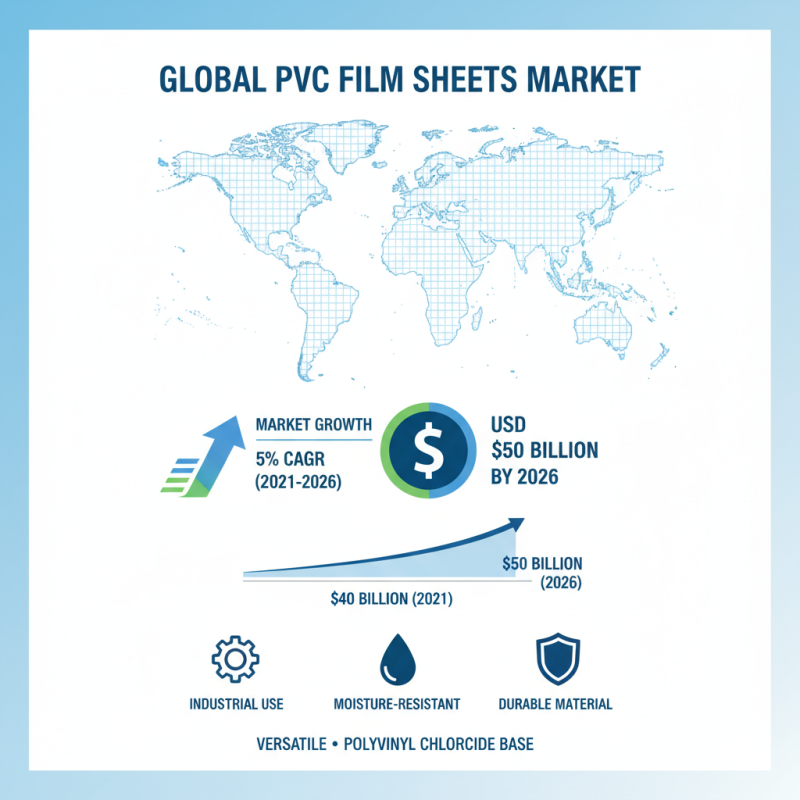
PVC film sheets are widely used in various industries due to their versatility. These sheets are made from polyvinyl chloride, which is durable and resistant to moisture. According to industry reports, the global PVC film market is expected to reach approximately $50 billion by 2026, growing steadily at a compound annual growth rate (CAGR) of around 5%.
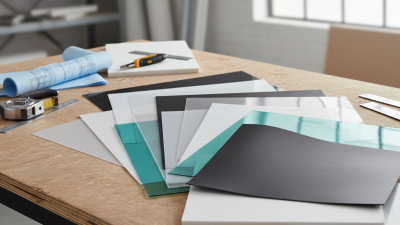
When selecting PVC film sheets, consider thickness and transparency. Thicker sheets often provide better durability and are suitable for demanding applications. A common thickness range is between 0.2 mm and 3 mm. Transparency impacts aesthetic quality, especially in packaging and displays. Many projects require a specific finish, such as gloss or matte. Understanding these basics ensures a more informed choice.
However, not all PVC films are created equal. Some products may lack essential certifications, leading to questions about quality. Additionally, the production process can affect the material's performance and environmental impact. Choosing a product that aligns with project needs can be challenging. Regularly reviewing project requirements and market options is crucial to ensure the best results.
Identifying Your Project Requirements and Specifications
When choosing a PVC film sheet, start by assessing your project requirements. Consider the sheet’s thickness, which affects durability and flexibility. A thinner sheet might suit light applications, while thicker options offer sturdiness for heavy-duty tasks. Think about the sheet’s transparency as well. High clarity is essential for display purposes, while frosted options can provide privacy.
Evaluate environmental factors as well. Will the film be exposed to sunlight or extreme temperatures? UV-resistant sheets are a must for outdoor uses. If your project involves contact with food, ensure the film meets safety specifications. Users often overlook these details, which can lead to costly mistakes later on.
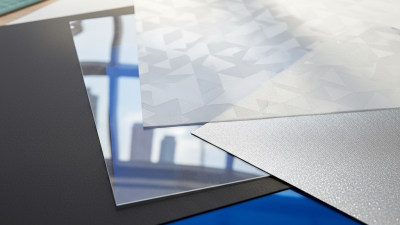
Examine the texture and finish too. Smooth sheets can facilitate easy cleaning, while textured surfaces might enhance grip in specific applications. These factors may seem minor, but they significantly influence the overall effectiveness of your project.
Comparing Different Types of PVC Film Sheets
When choosing a PVC film sheet, understanding the different types available is crucial. One commonly used type is opaque PVC, which offers privacy and reduces glare. According to recent industry reports, opaque films can block up to 95% of harmful UV rays. This feature makes them suitable for indoor applications like signage and display materials.
Transparent films, on the other hand, allow for light transmission and are often used in packaging. Their clarity can reach up to 90%, making them ideal for products that require visibility. However, some transparent films may lack durability, which is a significant factor to consider. A study highlighted that not all transparent PVC sheets withstand environmental factors effectively, leading to premature wear and tear.
Another option is the embossed PVC film, which adds texture to the surface. While these films can enhance aesthetic appeal, they may complicate the manufacturing process. Some manufacturers report a 15% increase in production time when working with embossed materials. It’s essential to weigh these factors carefully against the project requirements to avoid costly mistakes.
How to Choose the Right PVC Film Sheet for Your Project? - Comparing Different Types of PVC Film Sheets
| Type of PVC Film Sheet |
Thickness (mm) |
Tensile Strength (MPa) |
Temperature Resistance (°C) |
Transparency (%) |
| Standard PVC Film |
0.5 |
40 |
60 |
90 |
| High Clarity PVC Film |
0.3 |
35 |
70 |
95 |
| Flexible PVC Film |
0.7 |
50 |
75 |
85 |
| Anti-Static PVC Film |
0.4 |
45 |
65 |
80 |
| Flame Retardant PVC Film |
0.6 |
55 |
80 |
88 |
Evaluating Thickness, Texture, and Flexibility Options
When selecting PVC film sheets for your project, evaluating thickness, texture, and flexibility is crucial. Thickness greatly impacts durability. According to industry reports, film thickness typically ranges from 0.1mm to 0.5mm for various applications. Thicker sheets offer increased strength. However, they may also be less flexible. Choosing the right thickness requires balancing durability and adaptability.
Texture plays a significant role in the visual and tactile aspects of PVC film. Smooth surfaces are often easier to clean, making them ideal for certain environments. Meanwhile, textured films can enhance grip and aesthetic appeal. A recent study found that textured surfaces can reduce slipping by up to 30% in specific applications. However, these textures may also collect dirt and dust more easily. Regular maintenance is essential for keeping them looking fresh.
Flexibility is another vital factor. Flexible PVC sheets are commonly used in applications needing bending and shaping. However, excessive flexibility can lead to warping. Understanding the tension limits of your chosen film is paramount. Research shows that 15% of projects fail due to material unfit for required flexibility. Real-world testing often uncovers these issues, revealing a need for careful evaluation before final decisions are made. Choosing the right PVC film involves trial and error, and not every choice will be ideal on the first attempt.
Assessing Environmental Considerations and Sustainability Factors
When choosing a PVC film sheet, consider its environmental impact. Many options exist, yet not all are created equal. Look for films that are recyclable or made from recycled materials. This can reduce waste and encourage a circular economy.
Sustainability is more than just materials. Production processes can also influence the environment. Some PVC films release harmful chemicals during manufacturing. Seek options with eco-friendly production methods. Transparency from suppliers is key. A lack of information might indicate potential hidden environmental concerns.
Think about the intended use of the film. If it's for packaging, assess its lifespan and disposal methods. Short-lived products contribute to waste. A durable PVC film may require more resources but can be used longer, balancing immediate impact with longevity. Careful consideration leads to better choices. Aim for options that align with your values. It’s not always easy, and sometimes we may need to rethink our decisions.
Environmental Considerations and Sustainability Factors for PVC Film Sheets