What is Plastic Film Rolls and Their Uses in Packaging?
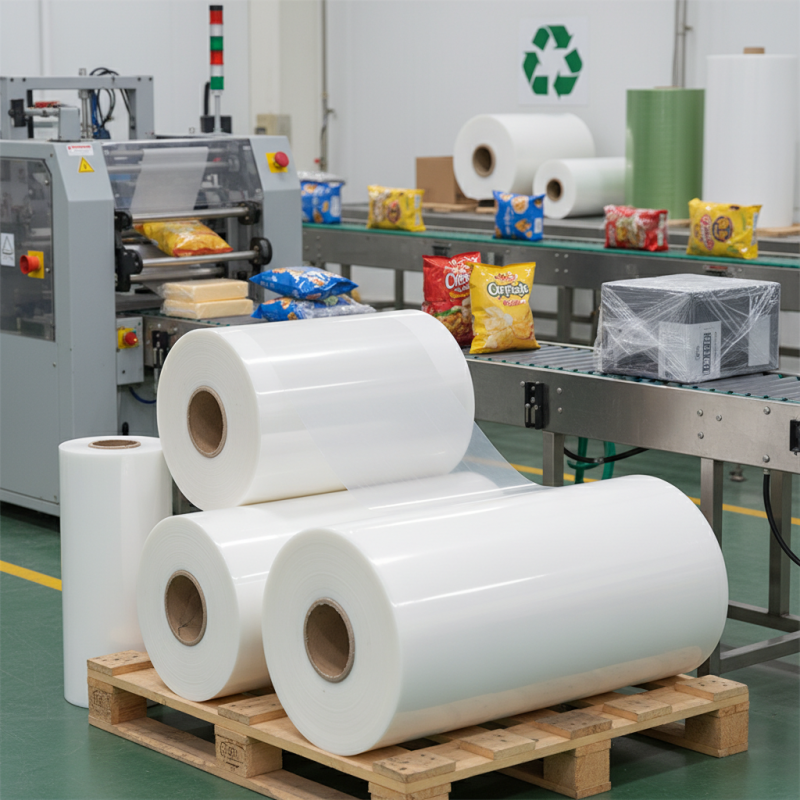
Plastic Film Rolls are crucial in the packaging industry. These versatile materials offer a lightweight, protective covering for a variety of products. From food items to delicate electronics, their applications are vast and diverse.
Using plastic film rolls helps maintain product freshness and extends shelf life. They are commonly used in everyday items like snacks and groceries. However, the use of plastic raises concerns about sustainability and environmental impact.
Many companies are exploring biodegradable options. We need to consider whether all plastic film rolls are truly necessary. The challenge is balancing convenience and environmental responsibility. Investing in alternative materials could be a step toward a greener future.
Definition of Plastic Film Rolls and Their Composition
Plastic film rolls are essential in the packaging industry. They consist of thin layers of plastic, usually made from polyethylene, polypropylene, or other polymers. These materials provide flexibility and durability. They can be clear or colored, depending on the product's needs.
Reports suggest that the global plastic packaging market will reach $500 billion by 2027. This growth is driven by increasing demand for sustainable and efficient packaging solutions. Plastic film rolls play a significant role in this trend. They help preserve products, extending shelf life and reducing waste.
Tips: Consider using biodegradable plastic films for an eco-friendly option. They can enhance your brand's sustainability image. However, be aware that not all biodegradable options perform well. Evaluate the specific needs of your products before making a switch.
The composition of plastic films varies, impacting their functionality. Some films are designed for moisture barriers, while others provide UV protection. The blend of materials directly affects the film's strength and performance. Mistakes can happen if manufacturers do not choose the right composition. Regular testing and quality checks are crucial in the production process.
Plastic Film Rolls Usage in Different Packaging Applications
Types of Plastic Film Rolls Used in Packaging
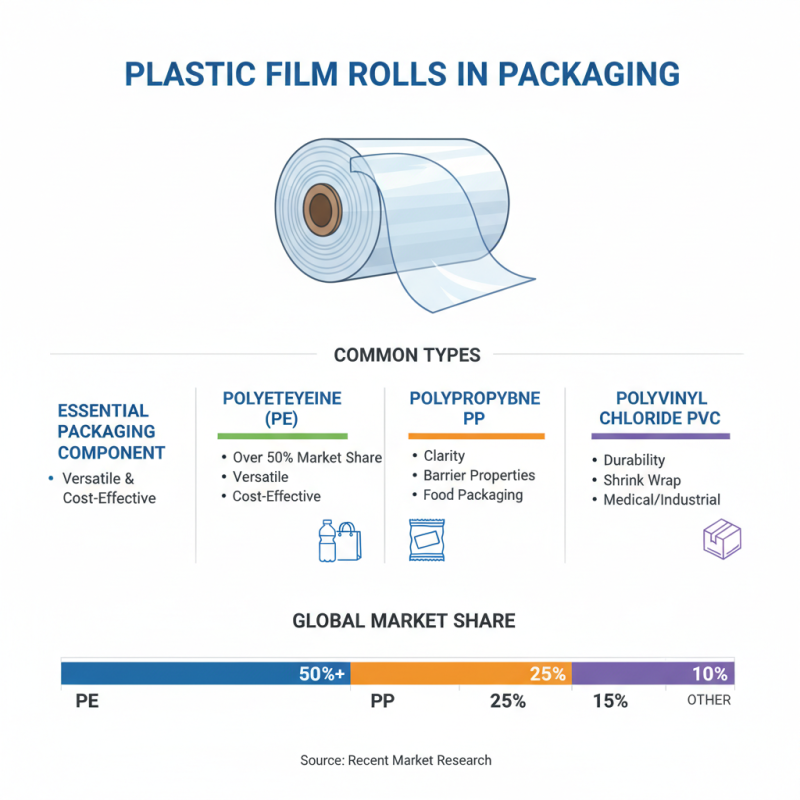
Plastic film rolls are an essential part of the packaging industry. They are available in various types, each serving distinct purposes. Common types include polyethylene (PE), polypropylene (PP), and polyvinyl chloride (PVC). According to recent market research, PE film accounts for over 50% of the global plastic film market due to its versatility and cost-effectiveness.
PE film is often used for food packaging. It provides excellent moisture resistance. This helps maintain the freshness of food products. PP film is known for its clarity and strength. It is often used in retail packaging. Its ability to be easily printed on makes it popular for branding. In contrast, PVC film is less common, mainly utilized for applications requiring durability.
In the packaging sector, a significant challenge lies in the recyclability of these films. Not all plastic films are recycled easily. Industry reports highlight that only 9% of plastic waste is recycled globally. This creates a pressing need for more sustainable alternatives. Some manufacturers are exploring bio-based plastics to address this issue. However, the transition remains slow, raising concerns about environmental impact and responsibility within the industry.
Common Applications of Plastic Film Rolls in Various Industries
Plastic film rolls are essential in many industries today. They serve different purposes based on the specific needs of various sectors. For example, the food industry relies heavily on plastic film for packaging. According to a 2023 report by Smithers Pira, the global demand for food packaging is expected to reach over $400 billion by 2027. This increasing demand drives the use of plastic films to extend shelf life and enhance food safety.
In the medical sector, plastic film rolls play a crucial role as well. Sterile packaging is vital to prevent contamination. A report by Research and Markets indicates that the medical packaging industry is projected to grow by 6.3% annually. The use of plastic films in this area not only secures medical products but also simplifies visibility. These films are transparent, allowing for easy inspection without compromising safety.
Moreover, the consumer goods industry utilizes plastic film rolls for product protection and branding. Shrink films and stretch films help secure products during shipping and storage. Observing the retail sector, there is a noticeable trend toward using eco-friendly options. Yet, many plastic films still contribute to environmental concerns. This inconsistency highlights an ongoing debate about sustainability in packaging. Balancing protection and eco-consciousness remains a challenge.
Advantages of Using Plastic Film Rolls for Packaging Solutions
Plastic film rolls are versatile tools widely used in packaging. They provide excellent protection for various goods. Their lightweight nature enhances shipping efficiency. Moreover, plastic film rolls are moisture-resistant and help keep products fresh. Packaging perishable items, like fruits and vegetables, benefits significantly from these properties.
One major advantage of using plastic film rolls is their cost-effectiveness. These rolls can be produced on a large scale, reducing the overall expense of packaging. While they are affordable, the durability often raises concerns. Sometimes, the thickness may not meet all packaging needs, leading to product damage. Users should choose the right thickness for their specific requirements.
Additionally, plastic film rolls are easy to handle. They can be cut to size, making them adaptable for different products. However, improper storage can lead to issues like cracking or tearing over time. This means businesses need to pay attention to how they handle materials. While the benefits are clear, continuous improvement in usage practices is necessary to maximize effectiveness.
What is Plastic Film Rolls and Their Uses in Packaging? - Advantages of Using Plastic Film Rolls for Packaging Solutions
| Dimension |
Description |
Advantages |
| Thickness |
Common thickness ranges from 0.5 to 2 mils. |
Provides excellent barrier properties. |
| Width |
Typically available in widths ranging from 12 to 60 inches. |
Versatile for various packaging needs. |
| Length |
Available lengths can vary from 1000 to 5000 feet per roll. |
Cost-effective for high volume use. |
| Material |
Commonly made from LDPE, LLDPE, or HDPE. |
Lightweight and provides flexible packaging solutions. |
| Applications |
Used for pallet wrapping, food packaging, and industrial applications. |
Enhances product protection and extends shelf life. |
Sustainability Considerations and Innovations in Plastic Film Packaging
Plastic film rolls are widely used in packaging. They provide protection and extend product shelf life. However, the environmental impact of plastic packaging has raised concerns. According to recent studies, around 300 million tons of plastic are produced each year, with a significant portion ending up in landfills.
Sustainability in plastic film packaging is gaining traction. Innovations like biodegradable films are emerging. These materials break down faster than traditional plastics. A report from Transparency Market Research noted a potential 8% annual growth in biodegradable packaging by 2027. This shift highlights the industry's response to consumer demand for eco-friendly options.
However, challenges remain. Not all biodegradable films are compostable in standard facilities. This can lead to confusion among consumers. Moreover, the cost of sustainable alternatives can deter companies from switching. Investment in research and development is crucial to overcoming these barriers. Sustainability requires continuous improvement, and the journey is not without its bumps. The industry must balance functionality with eco-friendliness to truly make a difference.