What is a PVC Blood Bag and Its Benefits?
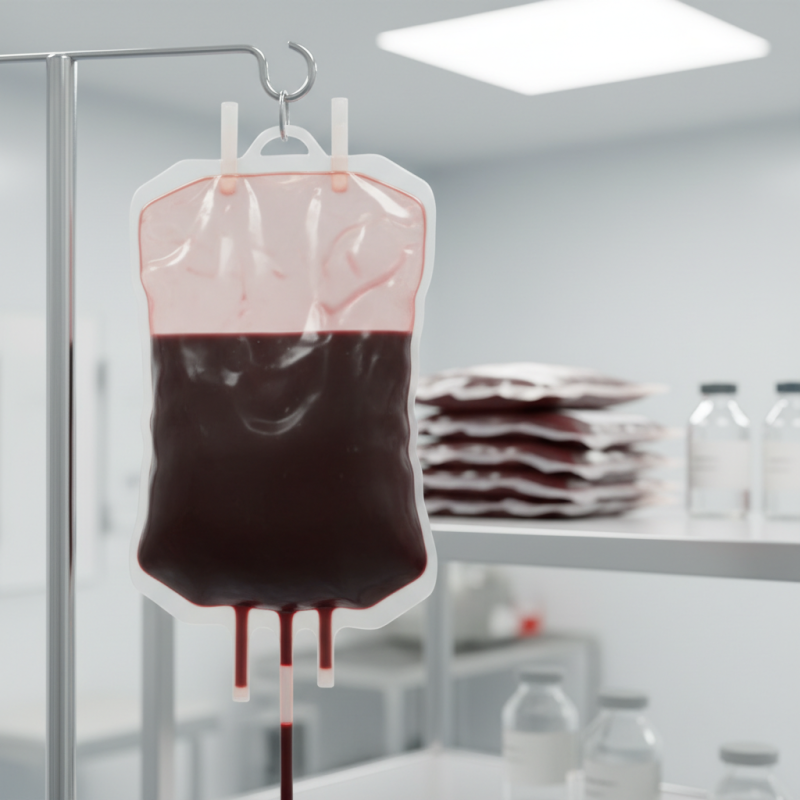
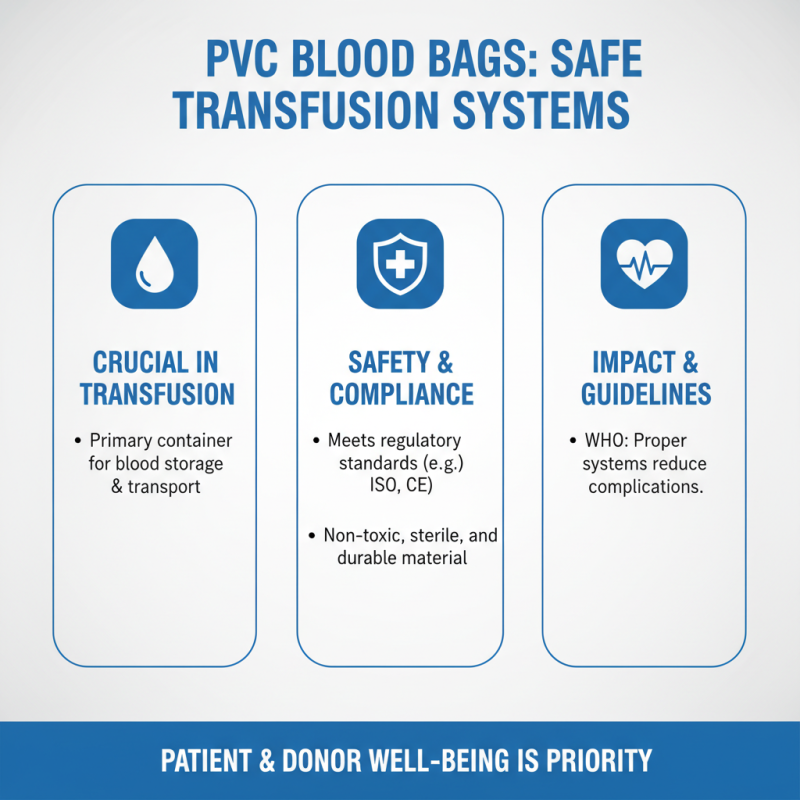
The PVC blood bag is a crucial component in modern healthcare. It is designed to safely collect, store, and transport blood. This versatile product provides multiple benefits that enhance the efficiency of blood transfusions. Made from polyvinyl chloride, the PVC blood bag is known for its durability and flexibility.
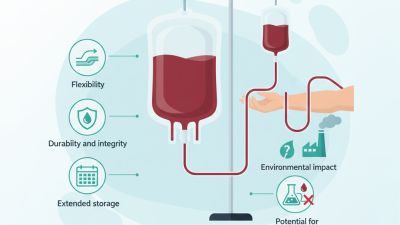
These bags are lightweight, making them easy to handle. Their transparency allows medical personnel to monitor the contents without opening them. However, reliance on PVC blood bags raises some concerns. The material may pose environmental challenges when disposed of improperly.
Despite these issues, the advantages of PVC blood bags largely outweigh the drawbacks. They ensure that blood remains sterile and safe for use. This effectiveness is vital in emergency situations and elective surgeries. Understanding both the benefits and limitations of PVC blood bags is essential for healthcare professionals and patients alike.
What is a PVC Blood Bag?
PVC blood bags are essential tools in modern medicine. They are designed to store and transport blood safely. Made from polyvinyl chloride, these bags are durable and flexible. According to a report by the World Health Organization, the use of PVC blood bags has significantly reduced contamination risks. In fact, the adoption of this material has led to a decrease in transfusion-related infections.
These bags are not only cost-effective but also versatile. They can hold different blood components like plasma, platelets, and whole blood. A study by the American Society of Hematology reveals that PVC bags maintain the viability of blood cells for extended periods. However, some concerns arise about the potential leaching of plasticizers over time. This aspect needs more research to ensure safety during storage.
Moreover, while PVC bags offer many advantages, their environmental impact cannot be overlooked. A report from the Global Recycling Foundation highlights the challenge of disposing of PVC materials. This raises questions on the sustainability of using PVC in healthcare. Balancing safety and environmental concerns is crucial as the industry evolves.
Construction and Composition of PVC Blood Bags
PVC blood bags are widely used in medical facilities. They are manufactured from polyvinyl chloride, a common thermoplastic. This material provides essential advantages in blood storage and transport. PVC is known for its flexibility and durability. These properties help maintain the integrity of the blood products during handling.
The construction of PVC blood bags includes a multi-layer design. Each layer serves a purpose. The outer layer protects against punctures and contamination. The inner layer is made to be non-reactive with stored blood. Reports indicate that the mechanical strength of PVC allows for easy freezing and thawing, which is crucial in maintaining blood quality. Additionally, it reduces the risk of leakage, which could lead to critical losses.
While PVC bags are widely accepted, there are concerns. Some studies suggest potential leaching of additives into the blood. This can be a health risk. It's vital for ongoing research to address these issues. The industry needs to focus on improving materials and safety protocols. Balancing performance and safety is the key challenge.
Advantages of Using PVC in Blood Storage
PVC blood bags have become a popular choice in healthcare settings for blood storage and transport. The unique properties of PVC, such as flexibility and durability, make it an ideal material. According to the World Health Organization, nearly 118.5 million blood donations occur annually worldwide, highlighting the need for reliable storage solutions.
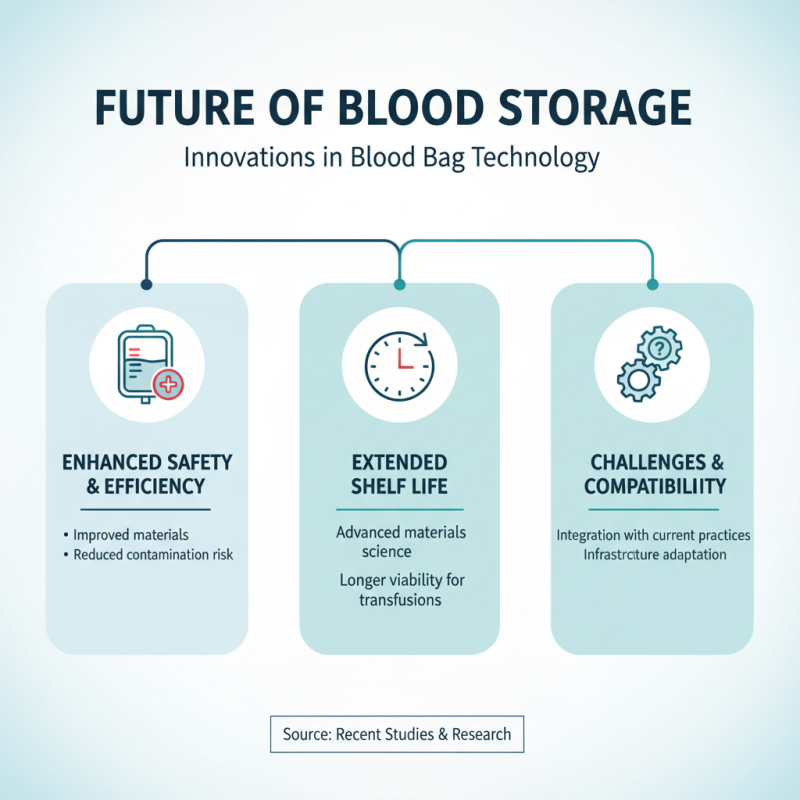
One of the primary advantages of using PVC is its ability to maintain blood quality over extended periods. Studies show that PVC bags can store red blood cells effectively for up to 42 days. This extended shelf life is crucial for managing blood supplies during emergencies. Additionally, PVC is cost-effective, which supports healthcare facilities in resource-constrained environments. The American Society for Apheresis notes that PVC bags help reduce contamination risks, ensuring patient safety.
However, there are concerns regarding the potential leaching of harmful additives from PVC into stored blood. While regulatory agencies monitor these risks, continuous research is vital. Ultimately, the benefits of PVC blood bags are significant, but ongoing evaluation is necessary. Balancing efficiency and safety remains a challenge in the medical field.