What is PVC Granules and How to Source Them?
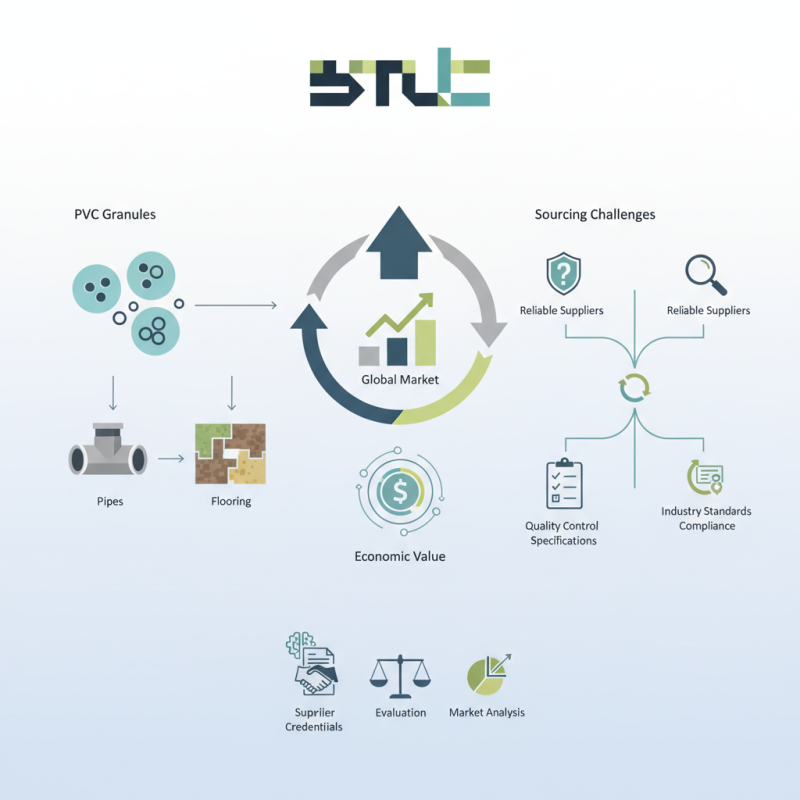
PVC granules are an essential component in numerous industries today. They serve as the building blocks for a wide range of PVC products, from pipes to flooring. The global market for PVC materials reached approximately $49 billion in 2021 and is projected to grow steadily. Accurate sourcing of PVC granules is crucial for manufacturers, as the quality directly affects the end product's performance and durability.
Understanding where and how to source PVC granules can be overwhelming. There are many suppliers, but not all offer high-quality materials. Reports from industry experts indicate that about 30% of businesses face challenges in sourcing reliable PVC granules. This brings the importance of due diligence to the forefront. Companies must assess supplier credentials, review material specifications, and even check for compliance with industry standards.
While many resources are available, the journey to find the right PVC granules can be complex. Careful evaluation of suppliers and their offerings is essential. A seemingly minor decision can result in significant repercussions. Ensuring you make the right choice requires a commitment to quality and informed decisions based on expert advice and market analysis.
What are PVC Granules?
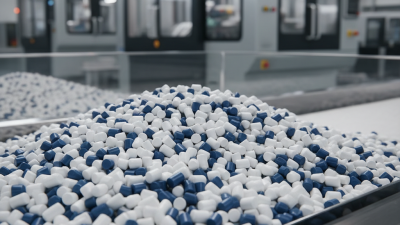
PVC granules are small plastic pellets that are a form of polyvinyl chloride (PVC). They are widely used in various applications, including construction, automotive, and consumer goods. According to a 2022 industry report by Grand View Research, the global PVC market size was valued at approximately $55 billion, with a projected CAGR of 4.5% from 2023 to 2030. This growth stems from the increasing demand for lightweight and durable materials.
Manufacturers produce PVC granules through a polymerization process, where raw vinyl chloride is transformed into polyvinyl chloride. This process allows for customization in terms of color and additives, leading to a wide variety of granule types. For example, flexible PVC granules can contain plasticizers, which enhance their flexibility. Conversely, rigid PVC granules are generally utilized in pipes, profiles, and fittings. The versatility of these granules makes them essential in many industries, contributing to their rising demand.
Sourcing high-quality PVC granules can be challenging. Not all suppliers meet the same standards. It’s crucial to verify the quality of materials as subpar granules can affect the end product's performance. Engaging with suppliers who provide transparency in their sourcing and manufacturing processes can mitigate risks. The industry faces sustainability challenges, prompting many suppliers to explore recycled PVC options. These efforts indicate a shift towards more sustainable practices in the plastic manufacturing sector.
The Composition and Properties of PVC Granules
PVC granules, or polyvinyl chloride granules, are small solid particles made from PVC resin. Their composition is primarily PVC, a synthetic plastic polymer. Additives like plasticizers, stabilizers, and fillers are often mixed in. This enhances the granules’ properties, improving flexibility, durability, and resistance to UV light. The specific formulation varies depending on intended applications, such as pipes, flooring, or packaging.
The properties of PVC granules make them versatile. They are lightweight yet strong, allowing for various uses in construction and manufacturing. They are also resistant to water and chemicals, making them ideal for durable products. However, sourcing high-quality PVC granules can be challenging. Quality control measures are essential to ensure consistency in size and composition. Additionally, sourcing from reputable suppliers is crucial for confidence in the material's reliability. Careful consideration of the production process can often reveal potential weaknesses that might affect the final product.
Applications of PVC Granules in Various Industries
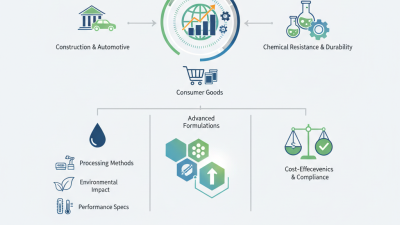
PVC granules are versatile materials used across various industries. In construction, they serve as essential components in pipes, fittings, and window profiles. Their durability and resistance to corrosion make them ideal for outdoor applications. In the automotive sector, PVC granules are utilized for dashboards and interior trim, enhancing aesthetics and functionality.
In packaging, PVC granules offer excellent clarity and flexibility. They are commonly found in cling films and food packaging. Their lightweight nature also contributes to reducing shipping costs. The electrical industry benefits from PVC's insulating properties, ensuring safety in wiring and cables.
**Tip:** When sourcing PVC granules, assess the supplier’s quality certifications. This ensures that your products meet industry standards.
The challenge lies in choosing the right grade of PVC for specific applications. Not all PVC granules are suitable for every purpose. Conducting thorough research can help avoid using low-quality materials.
**Tip:** Engage with experts in the field. Their insights can guide you in selecting the right formulations for your project.
What is PVC Granules and How to Source Them? - Applications of PVC Granules in Various Industries
| Property |
Value |
Applications |
| Density |
1.3 - 1.4 g/cm³ |
Manufacturing pipes and fittings |
| Melting Point |
160 - 210 °C |
Flooring and wall coverings |
| Tensile Strength |
40 - 55 MPa |
Automotive parts and medical devices |
| Flexural Modulus |
2,000 - 3,000 MPa |
Packaging materials |
| Color Options |
Transparent, White, Various Colors |
Toys, household items |
| Recycling Rate |
Up to 100% |
Sustainable products and applications |
Methods for Sourcing PVC Granules Effectively
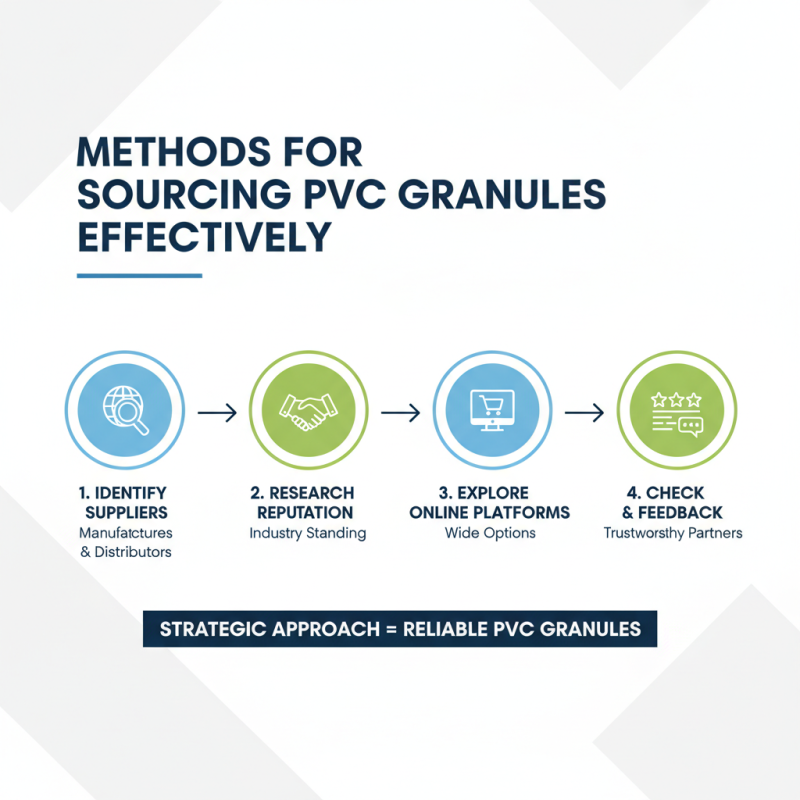
Sourcing PVC granules effectively requires a strategic approach. Start by identifying reliable suppliers. Look for manufacturers or distributors with a robust reputation in the industry. Online platforms can provide a wide array of options, but doing thorough research is essential. Check reviews and feedback from previous clients. This helps in ensuring you choose trustworthy partners.
Attend industry trade shows and exhibitions. These events offer opportunities to connect directly with suppliers. Networking at such venues can facilitate better deals and foster long-term relationships. Additionally, consider reaching out to industry specialists. They can provide insights into trends and quality standards for PVC granules.
Analyzing different suppliers is crucial. Compare prices, quality, and lead times. Sometimes, a lower price may reflect subpar quality. Don't overlook samples; testing can highlight any issues before placing significant orders. Stay open to feedback and be ready to pivot based on your findings. This adaptive mindset can lead to more effective sourcing practices in the long run.
Factors to Consider When Choosing a PVC Granule Supplier
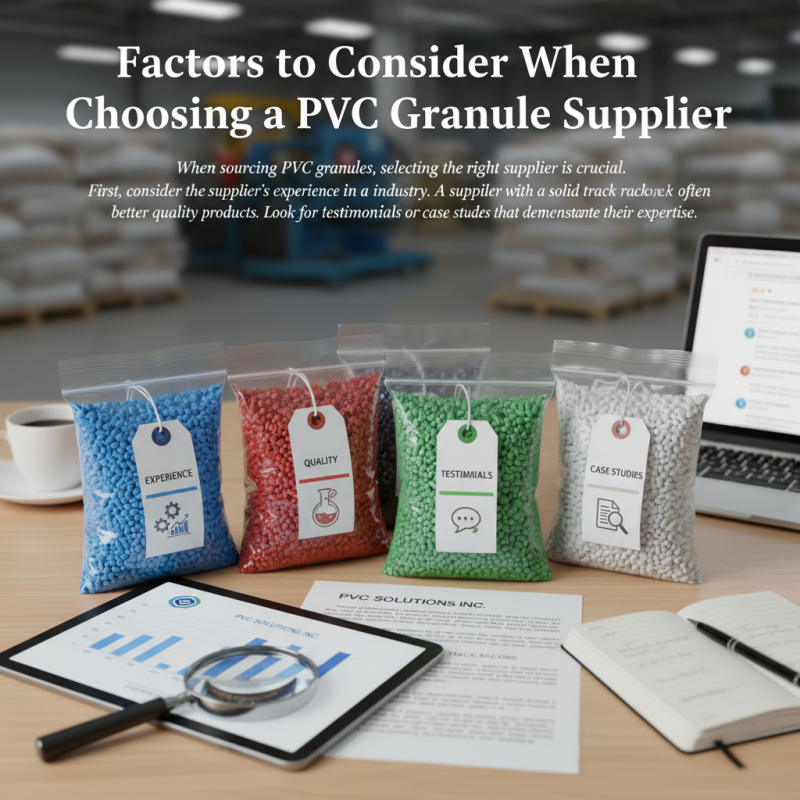
When sourcing PVC granules, selecting the right supplier is crucial. Several factors come into play. First, consider the supplier’s experience in the industry. A supplier with a solid track record often provides better quality products. Look for testimonials or case studies that demonstrate their expertise.
Next, evaluate the range of products offered. Ideally, a supplier should provide various types of PVC granules to meet different needs. This diversity shows their capability to adapt to market demands. Also, examine their manufacturing processes. Suppliers should prioritize quality control at every step. This ensures consistency in their product.
Pricing is another critical factor. While cost-effectiveness matters, quality should not be compromised. Sometimes, cheaper options result in lower quality, leading to additional expenses down the line. Lastly, communication plays a vital role in the buying process. Choose a supplier who is responsive and easy to work with. This can prevent misunderstandings and delays.