What is a PVC Mask and How is it Used in Various Applications?
The PVC mask is a versatile product used across various industries. Its applications range from personal protection to artistic endeavors. Due to its durability and flexibility, it adapts well to different demands. Many artists and creators use PVC masks to enhance their work, giving life to unique designs.
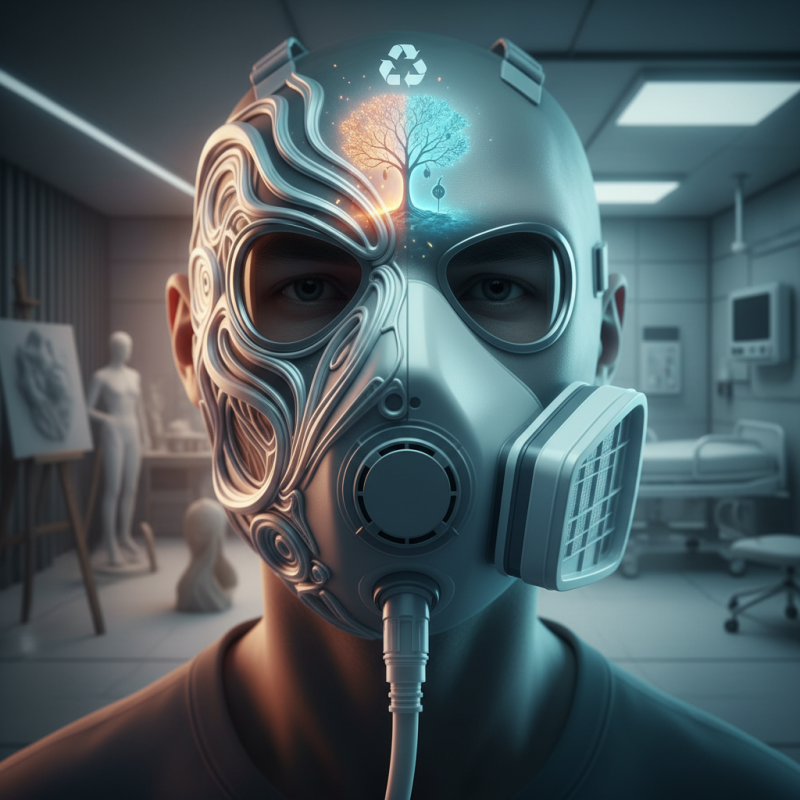
In medical fields, PVC masks serve functional purposes. They provide essential breathing support for patients. The quality of the material ensures a reliable barrier against contaminants. However, the widespread use of PVC materials raises concerns about environmental sustainability. Many individuals question the long-term impact of PVC production.
As technology advances, innovations in PVC mask design are emerging. Industry leaders are exploring eco-friendly alternatives. This shift may lead to better solutions for waste management. PVC masks, while beneficial, invite critical reflection on our choices for the future.
What is a PVC Mask? Definition and Overview of the Material
PVC, or polyvinyl chloride, is a widely used plastic material. Its versatility makes it ideal for various applications. PVC masks are gaining popularity in industries such as construction, healthcare, and entertainment.
The production of PVC masks leverages the unique characteristics of the material. PVC is lightweight yet durable, making it a practical choice for protective face coverings. A report from the Plastics Industry Association indicates that PVC usage in medical applications has increased by 4% annually. This trend shows the material's growing importance in personal protective equipment.
In entertainment, PVC masks offer detailed and colorful designs for costumes. They are often used in theatrical performances and Halloween events. However, issues arise when considering comfort and breathability. Some users find PVC too rigid and less comfortable for extended use. This feedback highlights the need for improvement in design and materials. Balancing durability with comfort is essential in optimizing PVC masks for various applications.
What is a PVC Mask and How is it Used in Various Applications?
| Application |
Description |
Benefits |
| Medical |
Used in surgical masks and face shields to provide protective barriers. |
Lightweight, resistant to fluids, and easy to sterilize. |
| Cosmetic |
Applied in facial masks for skincare treatments. |
Flexible, comfortable, and can enhance absorption of skincare ingredients. |
| Art and Crafts |
Used to create decorative masks for celebrations and theatrical performances. |
Easily moldable, durable, and available in various colors. |
| Entertainment |
Crafted for costume parties, Halloween, and cosplay events. |
Creative designs, comfortable wear, and lightweight. |
| Industrial |
Used for protective gear and equipment in various industrial applications. |
Durable, chemical-resistant, and provides safety against particles. |
Historical Development of PVC Masks in Different Industries
PVC masks have evolved significantly across various industries since their introduction. The material, polyvinyl chloride, gained popularity in the early to mid-20th century. Its durability and flexibility made it a preferred choice for costume and theatrical masks. According to a market report by Research and Markets, the global PVC film market was valued at approximately $31 billion in 2021, indicating the widespread use of PVC in various applications beyond just masks.
In healthcare, PVC masks have found their way into respiratory therapies. They are often used in ventilation equipment due to their effectiveness and comfort. A report by MarketsandMarkets stated that the healthcare mask market is expected to grow from $4.2 billion in 2020 to $7.1 billion by 2025. This growth highlights both the necessity and the widespread adaptation of PVC masks in medical situations. Yet, concerns linger about the environmental impact of PVC production and disposal, suggesting a need for more sustainable alternatives.
In entertainment and special effects, PVC masks continue to play a crucial role. They allow for creativity in design, offering artists a medium to express intricate details. However, production processes can create significant waste. Despite their popularity, the industry must address these environmental ramifications. Balancing creativity and sustainability remains an ongoing challenge in the development of PVC masks.
Common Applications of PVC Masks in Healthcare and Safety Equipment
PVC masks are versatile tools widely used in healthcare and safety applications. In hospitals, these masks play a crucial role in infection control. They create a barrier against pathogens. Medical professionals often wear them during procedures. This helps reduce the risk of airborne diseases.
In safety equipment, PVC masks protect workers from hazardous materials. They are common in construction, welding, and painting. The masks offer a snug fit, which is essential for effective filtration. However, improper usage can lead to mask failures. Regular checks and proper maintenance are vital for optimal performance.
On another note, these masks can be uncomfortable over long periods. Users often report difficulty in breathing. It’s important to balance safety and comfort in design. Finding the right fit requires trial and error. Overall, while PVC masks are essential, there is always room for improvement in usability.
Market Trends and Statistics for PVC Masks in Various Sectors
The PVC mask market has seen significant growth recently. Industries such as healthcare, entertainment, and construction are increasingly utilizing these masks. In healthcare, PVC masks are vital for ensuring safety during surgical procedures. They offer reliable protection against contaminants and help maintain sterile environments.
In the entertainment sector, PVC masks are popular for creating unique characters in films and theatrical performances. Their affordability and adaptability make them an attractive option for costume designers. However, the environmental impact of PVC production raises concerns. Many are questioning sustainability in this thriving market.
Statistics reveal a surge in demand for PVC masks, particularly in emerging markets. Despite this, there are issues regarding waste management and recycling. It is crucial for manufacturers to consider eco-friendly options. The future of PVC masks may depend on balancing performance with environmental responsibilities.
Environmental Impact and Recycling Challenges of PVC Mask Usage
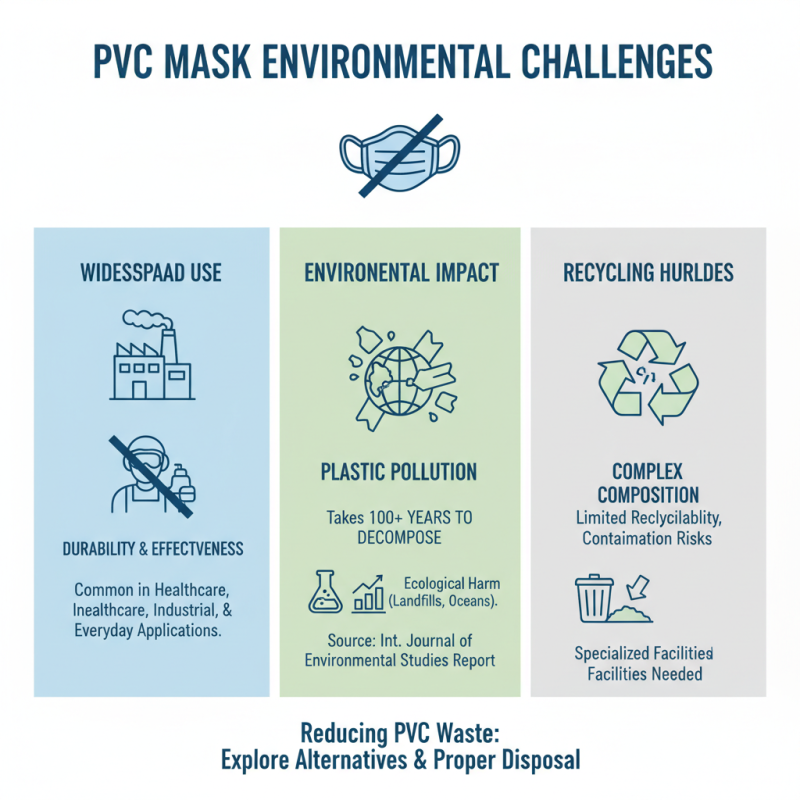
PVC masks are widely used across various industries due to their durability and effectiveness. However, the environmental impact of PVC masks raises critical concerns. According to a recent report from the International Journal of Environmental Studies, PVC materials contribute to significant plastic pollution. Once discarded, PVC can take over 100 years to decompose. This longevity in the environment can lead to serious ecological issues.
Recycling PVC masks poses its own set of challenges. Many recycling facilities lack the technology to process PVC effectively. The recycling rates remain low, under 10% globally, leading to more masks in landfills. This highlights the need for better waste management solutions. Encouraging proper disposal and recycling methods is essential.
**Tip:** Always check local recycling guidelines. Some areas have specific bins for plastic waste, while others do not accept PVC.
Innovations in biodegradable alternatives offer some hope. However, a transition to these materials must be managed carefully. Without proper testing and understanding, biodegradable options might not be as effective as anticipated. Our responsibility is to reduce, reuse, and recycle whenever possible to help mitigate the ecological footprint of PVC masks.