Top 10 Plastic Film Rolls in China for Diverse Applications?
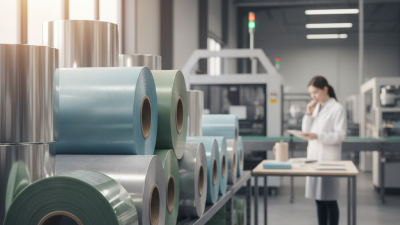
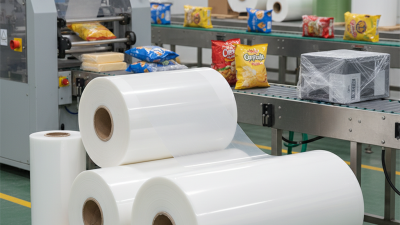
In recent years, the demand for Plastic Film Rolls has surged in various industries across China. These materials are crucial for packaging, agriculture, and industrial applications. They provide protection and enhance the shelf life of products. With numerous manufacturers entering the market, selecting the right type can seem overwhelming.
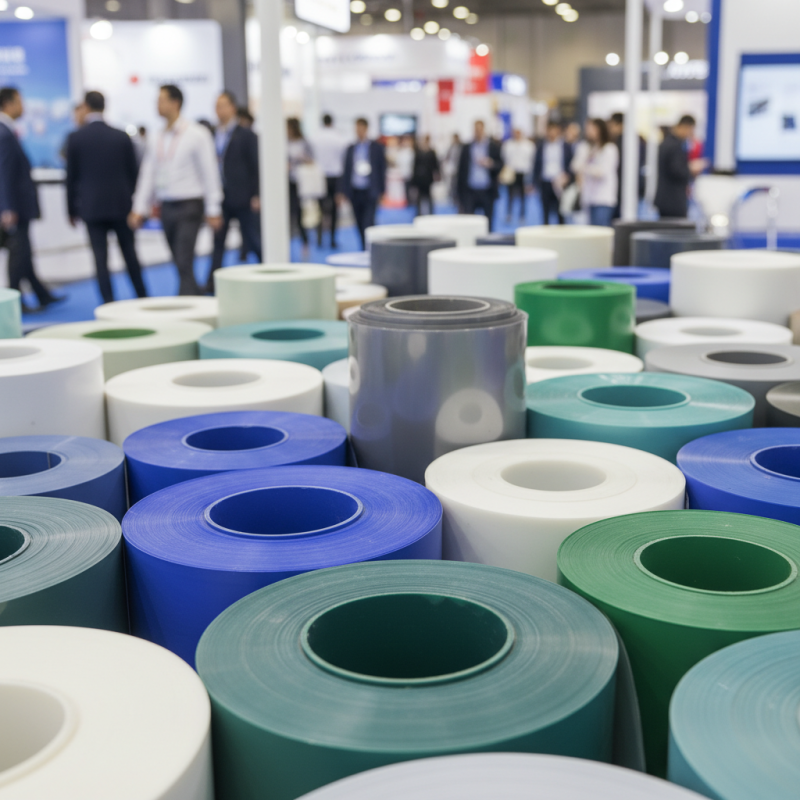
At the upcoming 139th Canton Fair, businesses will showcase innovative Plastic Film Rolls. This event will highlight the strengths of Chinese manufacturing, including advanced technologies. It’s an opportunity to discover diverse applications for these films. Attendees can explore how these products meet specific needs, such as eco-friendliness and durability.
However, challenges remain. Quality assurance is essential, as some products may not meet international standards. The introduction of AI navigational tools at the fair aims to simplify supplier selection based on certifications like ISO or CE. But how reliable are these tools? Buyers must remain vigilant. The landscape of Plastic Film Rolls in China continues to evolve, presenting both opportunities and hurdles.
Overview of Plastic Film Rolls and Their Importance in China
Plastic film rolls play a vital role in many industries across China. They come in various types, serving multiple functions. From packaging to agricultural uses, these films are essential for protecting products and extending shelf life. Their versatility ensures they meet diverse needs, from food preservation to industrial applications.
Tips: Always consider the thickness of the film. Thicker films provide better protection but may be less flexible. Selecting the right type is critical for optimal performance. Additionally, ensure that the film is compatible with your application to avoid issues like tearing or degradation.
The importance of plastic film rolls in China is undisputed. They facilitate the growth of e-commerce by ensuring safe delivery of products. However, the environmental impact of plastic waste is a concern. Many manufacturers are exploring biodegradable options, yet progress remains slow. It's essential to reflect on sustainability while enjoying the benefits of plastic films.
Key Characteristics of Popular Plastic Film Rolls in China
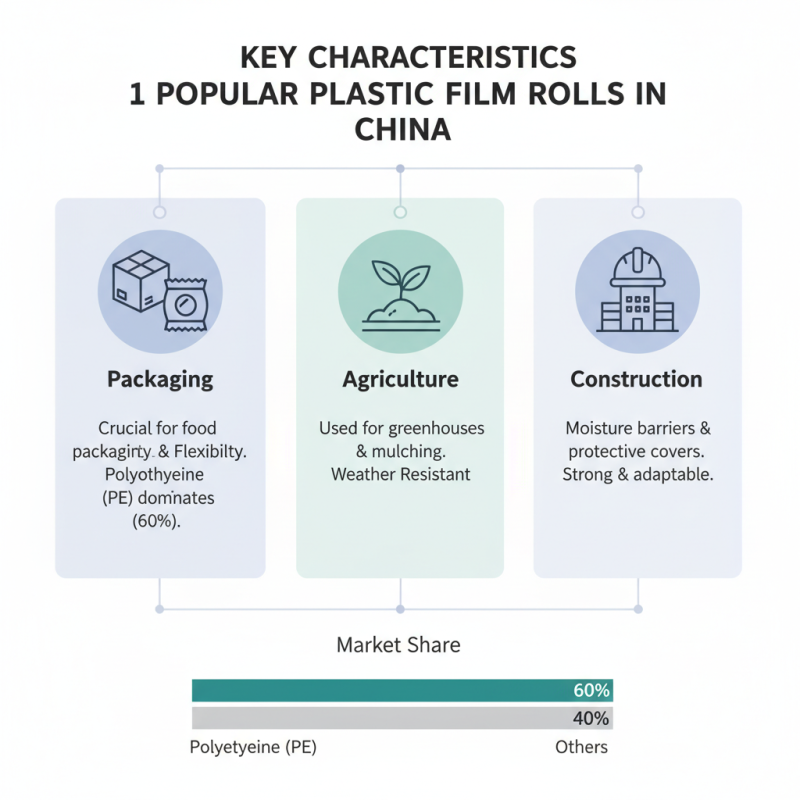
In China, plastic film rolls have gained prominence across various sectors. They are crucial in packaging, agriculture, and construction. Key characteristics of these films significantly impact their applications. Notably, polyethylene (PE) films dominate the market, accounting for about 60% of the total plastic film usage. Their durability and flexibility make them ideal for packaging food items.
Another essential type is polypropylene (PP) film. This film is favored for its clarity and strength. Reports indicate that demand for PP films has increased due to the rise in online shopping. Many consumers prefer transparent packages for their products. As a result, suppliers are focusing on enhancing the transparency of their films. Yet, not all producers meet quality standards, leading to inconsistencies in performance.
Biodegradable films are gaining traction too. These films cater to the growing environmental concerns. They have biodegradable additives that break down over time. However, there is still skepticism regarding their complete decomposition. Some reports suggest that not all biodegradable options meet expectations. Industries must address these challenges to improve sustainability in plastic film products.
Top 10 Manufacturers of Plastic Film Rolls in China
China is home to a thriving plastic film roll industry. These products serve various applications. Industries such as packaging, agriculture, and construction utilize them extensively. The demand for quality plastic film rolls is ever-increasing. Manufacturers are continually adapting to market needs. Some focus on sustainability, while others prioritize cost-effectiveness.
Top manufacturers in China have developed advanced technologies. They produce films that are durable and versatile. Innovations in extrusion processes lead to better quality. However, not all products meet the highest standards. Some manufacturers struggle with consistency. Variations in thickness and clarity can occur. This inconsistency impacts their market reputation.
In recent years, the industry has seen growth amidst challenges. Rising material costs affect production. A few companies overcame these hurdles. They invested in research and development. These firms often lead in market share. However, there are still gaps to address. Quality control measures need to improve across the board. The future of plastic film rolls seems promising yet uncertain.
Diverse Applications of Plastic Film Rolls Across Industries
Plastic film rolls play a crucial role across various industries. They are widely used in packaging, agriculture, and construction. According to recent industry reports, the global plastic film market is projected to grow by 4.5% annually, reaching over $300 billion by 2025. This growth is driven by the rising demand for flexible packaging solutions in food and beverage sectors.
In agriculture, plastic films are essential for crop protection and enhancement. They serve as mulch to retain soil moisture. Reports indicate that over 75% of farmers now use plastic films for greenhouses and tunnels, showcasing their importance. However, there are concerns about plastic waste. Many farmers struggle with disposal methods, leading to environmental issues.
Additionally, the construction industry utilizes plastic film rolls for moisture barriers and insulation. The durability of these films makes them ideal for protecting materials on-site. Despite their benefits, the industry faces challenges regarding recycling. Only 9% of plastic waste is recycled. The need for more sustainable alternatives is evident, highlighting the gaps in current practices.
Future Trends in Plastic Film Roll Production and Usage in China
The plastic film roll market in China is evolving rapidly. With technological advancements, production methods are changing. New materials are emerging, offering better durability and functionality. More industries are adopting these films, leading to diverse applications. Agriculture, packaging, and construction sectors are key players in this shift.
Sustainability is becoming a focal point. Many manufacturers are exploring eco-friendly options. Biodegradable films are gaining traction but have limitations. Their production can be more costly and complex than traditional methods. Producers need to balance cost and environmental impact. The demand for high-performance films is also increasing. This trend requires innovation and investment.
Regulatory changes are influencing production processes. Compliance with environmental standards is crucial. Companies face challenges in adapting to these changes while maintaining quality. The future of plastic film roll production will likely focus on efficiency and sustainability. Companies may need to rethink their strategies to stay competitive. However, not all adaptations will succeed at first. It's a learning curve for many in the industry.
Top 10 Plastic Film Rolls in China for Diverse Applications