2026 Top PVC Film Sheet Uses and Benefits Explained?
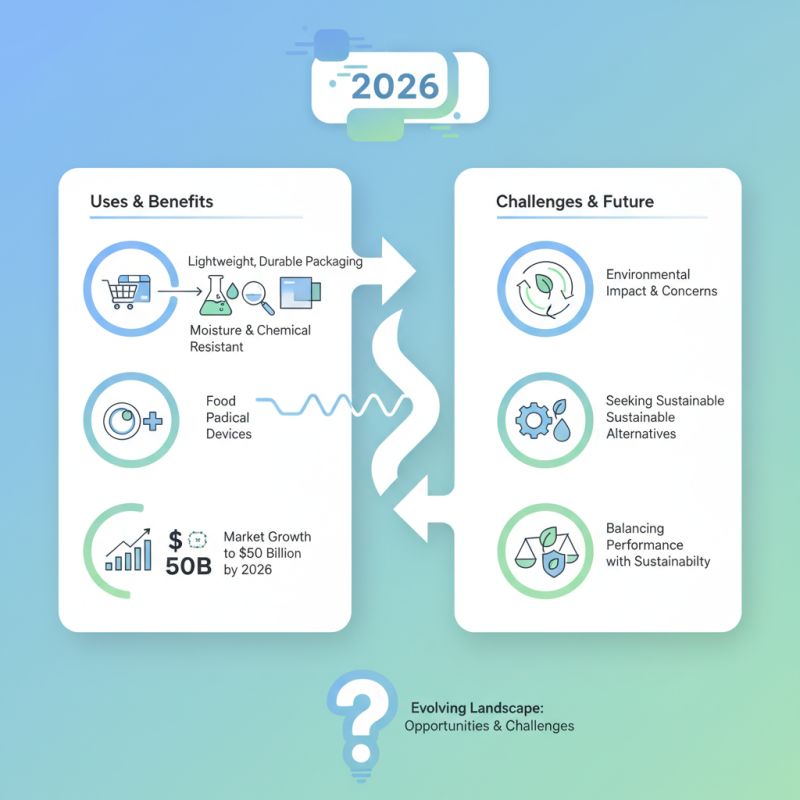
The versatility of PVC film sheets has made them a crucial material in various industries. According to a recent market report, the global PVC film market is projected to reach USD 50 billion by 2026. This growth is attributed to the increasing demand for lightweight, durable packaging solutions. PVC film sheets are used in applications ranging from food packaging to medical devices.
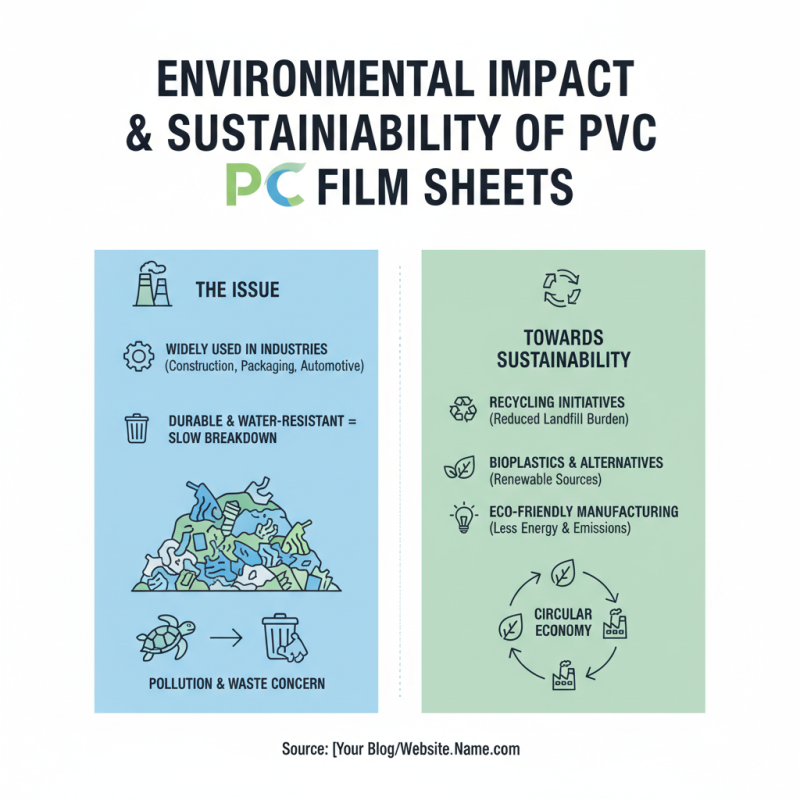
Despite their benefits, there are challenges. The environmental impact of PVC usage raises concerns. Many companies are now seeking sustainable alternatives. However, PVC film sheets still offer impressive advantages. They are resistant to moisture, chemicals, and provide excellent clarity. Such properties enhance product visibility and protection.
As industries innovate, understanding the applications and benefits of PVC film sheets becomes crucial. Decision-makers must weigh advantages against potential drawbacks. The evolving landscape presents both opportunities and challenges in the use of PVC film sheets. Balancing performance with sustainability is key in the coming years.
Overview of PVC Film Sheets: Definition and Composition
PVC film sheets are versatile materials widely used across various industries. Defined as thin layers made from polyvinyl chloride, these sheets consist of 57% chlorine and 43% carbon. This composition ensures durability and resistance to environmental factors. Data from the PVC Industry Association indicates that the global PVC market will reach USD 70 billion by 2026, highlighting its growing importance.
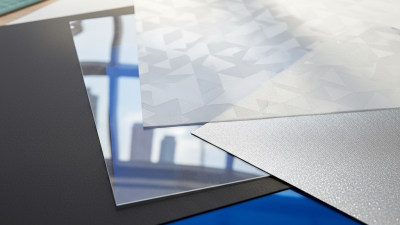
The benefits of PVC film sheets are substantial. They are lightweight and customizable, making them suitable for packaging, signage, and protective covers. The sheets can be manufactured in different thicknesses, colors, and finishes. For instance, clear PVC sheets have become popular in display applications. However, these materials can be prone to scratching and fading over time. It's crucial to choose the right application to optimize their performance.
Tips: Always evaluate the environment where the PVC sheets will be used. If subjected to high UV exposure, consider additives that enhance UV resistance. Regular maintenance can also prolong their lifespan. Avoid exposing PVC to excessive heat, as this can cause deformation. Moreover, recycling options are limited, so mindful disposal is essential for sustainability.
Common Uses of PVC Film Sheets in Various Industries
PVC film sheets have diverse applications across multiple industries. In packaging, they are widely used due to their flexibility and durability. According to a recent report by the Global PVC Film Market, the packaging segment accounted for over 40% of the market share in 2022. These sheets provide excellent moisture protection, extending product shelf life. They are often used for food packaging, resulting in safer consumption. However, over-reliance on single-use films raises environmental concerns.
In the construction industry, PVC film sheets serve as effective barriers. They are used in waterproofing, insulation, and even window frames. Industry data indicates that the construction sector will grow by 5% annually, driving demand for these materials. While they offer superior performance, the potential for small-scale microplastics from degradation remains an issue that needs addressing.
Additionally, the automotive sector uses PVC film in interior applications. It enhances aesthetics while providing protection against wear. A report revealed that nearly 30% of automotive interiors now utilize PVC materials. However, challenges persist in balancing performance with sustainability. Newer formulations and recycling methods are necessary for a greener future.
2026 Top PVC Film Sheet Uses and Benefits
Benefits of Using PVC Film Sheets: Durability and Versatility
PVC film sheets are gaining popularity due to their remarkable durability and versatility. These sheets can endure harsh environmental conditions, which makes them ideal for various applications. According to a recent industry report, over 75% of manufacturers prefer PVC film for outdoor use. Its resistance to moisture and UV rays enhances longevity, reducing the need for frequent replacements.
In addition to durability, PVC film sheets offer impressive versatility. They can be easily customized in terms of thickness and finish, catering to diverse industries. A study highlighted that around 40% of architectural designs leverage PVC for aesthetic and functional benefits. However, some professionals worry about environmental concerns related to PVC production. While the material is recyclable, the process can be resource-intensive. This raises questions about sustainability in the long run.
Moreover, PVC’s lightweight nature simplifies handling and installation, often reducing overall project costs. It's frequently utilized in packaging, signage, and protective barriers, showcasing its adaptability. Yet, some users might find that while it excels in many areas, it can be less effective in extremely high-temperature environments. This limitation invites ongoing discussions about improvements and alternatives within the industry.
2026 Top PVC Film Sheet Uses and Benefits Explained
| Use Case |
Description |
Benefits |
Durability |
Versatility |
| Food Packaging |
Used for sealing and wrapping food items to maintain freshness. |
Prevents spoilage and extends shelf life. |
Highly resistant to moisture and chemicals. |
Can be customized for various food types. |
| Medical Supplies |
Commonly used in the production of medical device packaging. |
Ensures product safety and sterility. |
Durable and puncture-resistant. |
Adaptable for different medical products. |
| Construction Materials |
Used in building films and sheets for insulation and vapor barriers. |
Increases energy efficiency in buildings. |
Resistant to weather and UV radiation. |
Available in various thicknesses and colors. |
| Graphic Printing |
Used for banners, signage, and promotional materials. |
Vivid colors and high-definition print quality. |
Fade-resistant and long-lasting. |
Flexible applications for indoor and outdoor uses. |
| Automotive Components |
Utilized for interior surfaces and protective wraps. |
Enhances aesthetic appeal and protects vehicle surfaces. |
Tough and resistant to scratches. |
Can be formed into various shapes for design flexibility. |
Future Trends in PVC Film Sheet Applications and Innovations
The future of PVC film sheet applications looks promising. Innovations are emerging that enhance the material's versatility. For instance, a recent industry report suggests that the global PVC film market is expected to grow at a CAGR of 5.2% between 2023 and 2028. This growth is driven by increased demand in packaging, automotive, and construction sectors.
One of the most significant trends is in the packaging industry. PVC films offer excellent barrier properties, which are vital for food safety. With a rise in eco-conscious consumers, manufacturers are focusing on sustainable options. However, the recycling rates for PVC remain low, prompting a need for better waste management solutions.
Industry data points out that about 2.4 million tons of PVC waste is generated annually, raising concerns among environmentalists.
Innovations are also seen in design and functionality. For instance, new printing techniques are allowing for more vibrant designs on PVC film sheets. Yet, the challenge remains in balancing aesthetics with functionality. Some products fail to meet durability standards, leading to customer dissatisfaction. Addressing these shortcomings will be crucial for future innovations in this space.