Top 10 Best PVC Granules for Your Manufacturing Needs?
In the world of manufacturing, selecting the right materials is crucial. PVC granules play a significant role in various applications, from automotive parts to construction materials. According to a report by Grand View Research, the global PVC market size was valued at $56.8 billion in 2020, with a projected growth rate of 4.4% from 2021 to 2028. These figures highlight the importance of high-quality PVC granules for manufacturers aiming to produce durable and efficient products.
As competition rises, manufacturers must focus on sourcing the best PVC granules. Not all suppliers provide the same quality. In fact, a study indicated that subpar granules can lead to defects, affecting the end product's performance. Some manufacturers may overlook this detail, prioritizing cost over quality. This oversight can have long-term consequences, including increased waste and higher production costs.
Choosing the right PVC granules isn't a straightforward process. Market trends evolve, and manufacturers must adapt accordingly. Different applications require specific properties, such as impact resistance or heat tolerance. By understanding these nuances, companies can make more informed decisions. An informed choice not only benefits production efficiency but also customer satisfaction.
Understanding PVC Granules: What Are They and Their Uses
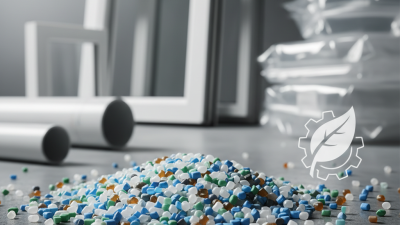
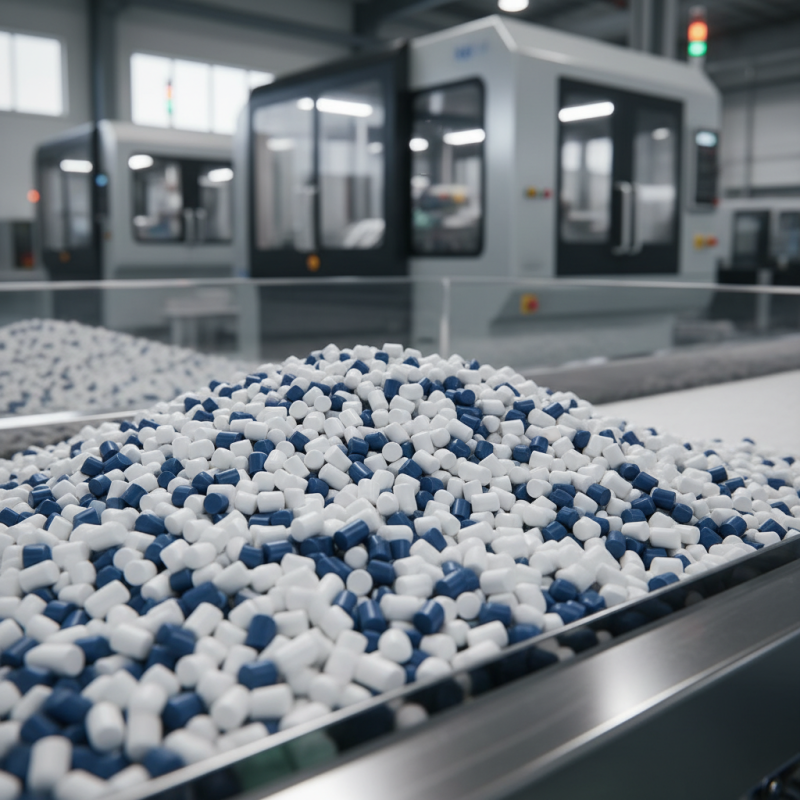
PVC granules are synthetic plastic particles made from polyvinyl chloride. These granules are key raw materials in manufacturing various products, such as pipes, window frames, and flooring. The versatility of PVC makes it a popular choice in multiple industries, from construction to automotive.
According to industry reports, the global PVC market is projected to reach $80 billion by 2026, primarily driven by increasing demand in infrastructure projects.
When considering PVC granules, it's essential to understand their properties. They are durable, resistant to chemicals, and can withstand harsh weather conditions. These advantages make PVC ideal for outdoor applications. However, not all granules are created equal.
Quality can vary significantly based on the source. Lower-grade granules may lead to product failures and increased costs due to replacements.
Tips: Always verify the supplier's certifications. Seek granules that comply with industry standards. Test samples when possible to ensure quality meets your needs.
Choosing the right PVC granules requires careful evaluation. Some granules may have additives for specific properties, like UV resistance or flexibility. It's critical to assess these features based on your applications. In certain cases,
granules that promise superior performance may not deliver as expected. Keep an eye on supplier reliability and consistency. Your manufacturing outcomes depend heavily on quality inputs.
Factors to Consider When Choosing PVC Granules for Manufacturing
When selecting PVC granules for manufacturing, it’s crucial to assess several factors.
First, consider the material's purity.
High-quality PVC granules should be free from contaminants. Impurities can compromise the integrity of your final product.
This could lead to unexpected results in your manufacturing process.
Another aspect to focus on is the granule size.
Variations in size can impact consistency and processing speed.
Smaller granules may melt faster, but they can also lead to uneven quality.
You may need to experiment with different sizes to find the best fit.
Downtime caused by inconsistent material can be frustrating.
Processing temperature is a hidden factor that deserves attention.
Each PVC type reacts differently under heat, which affects production rates.
It’s important to run trials to find the optimal settings for your machinery.
Sometimes, this requires a few adjustments.
Overheating can lead to degradation, which you want to avoid.
Balancing these variables can be a challenging task, but it’s essential for achieving desired results.
Top 10 PVC Granules: Detailed Reviews and Applications
When it comes to manufacturing, selecting the right PVC granules is crucial. These materials shape products across various industries. From packaging to construction, the applications are vast. Each type of PVC granule has unique properties. Some offer flexibility, while others boast durability. Understanding these differences can significantly impact production quality.
Choosing the right granules can be challenging. Many factors need consideration, such as processing temperature and required flexibility. For instance, soft PVC granules are ideal for making flexible tubes and connectors. However, they may not withstand heavy loads like rigid granules do. This inconsistency may lead to product failures, requiring manufacturers to reassess their choices. Sometimes, manufacturers overlook the importance of sourcing materials with consistent quality.
Experimentation is often necessary. Testing different granules helps identify the best fit for specific needs. However, it can be time-consuming and costly. Some manufacturers rush into decisions, resulting in subpar products. Creating a checklist might help in evaluating materials systematically. It’s all about finding balance. With careful consideration, the right PVC granules can elevate product performance.
Top 10 PVC Granules for Your Manufacturing Needs
| No. |
Type |
Application |
Color |
Additives |
Density (g/cm³) |
| 1 |
General Purpose |
Pipes and Fittings |
White |
Stabilizers |
1.4 |
| 2 |
High Impact |
Impact Resistant Products |
Translucent |
Impact Modifiers |
1.5 |
| 3 |
Flexible |
Cable Insulation |
Black |
Plasticizers |
1.3 |
| 4 |
CPVC |
Hot Water Pipes |
Orange |
Stabilizers |
1.5 |
| 5 |
Rigid |
Building Materials |
Gray |
Fillers |
1.4 |
| 6 |
Chlorinated PVC |
Specialty Applications |
Natural |
Stabilizers |
1.6 |
| 7 |
Transparent PVC |
Packaging |
Clear |
Plasticizers |
1.2 |
| 8 |
Foamed PVC |
Signage |
White |
Foaming Agents |
0.6 |
| 9 |
PVC Compound |
Custom Applications |
Various |
Various |
1.4 |
| 10 |
Bio-based PVC |
Environmentally Friendly Products |
Green |
Bio-additives |
1.2 |
Comparing PVC Granules: Price, Quality, and Performance
When selecting PVC granules, it's crucial to compare price, quality, and performance. The right choice can significantly impact your manufacturing outcomes. High-quality PVC granules often come at a premium. However, the durability and consistency they provide are worth the investment. Understand the properties of the granules in relation to your specific needs.
Price is an important factor. Cheaper granules might save money upfront, but they can lead to issues like inferior strength or color fading. Evaluate the long-term costs before making a decision. Sometimes, paying more initially can lead to greater savings in the future.
Tip: Always request samples before purchasing. Testing the granules in your production process is key. Observe how they perform under your specific conditions. Not all PVC granules are created equal. Small variations can lead to significant performance differences.
Another consideration is the source of the granules. Domestic suppliers may offer faster shipping and support, while international suppliers might present cost benefits. Weigh the pros and cons carefully. Not every option will suit your needs. Reflection on your specific application and performance requirements is essential for making the best choice.
Environmental Impact and Sustainability of PVC Granules in Manufacturing
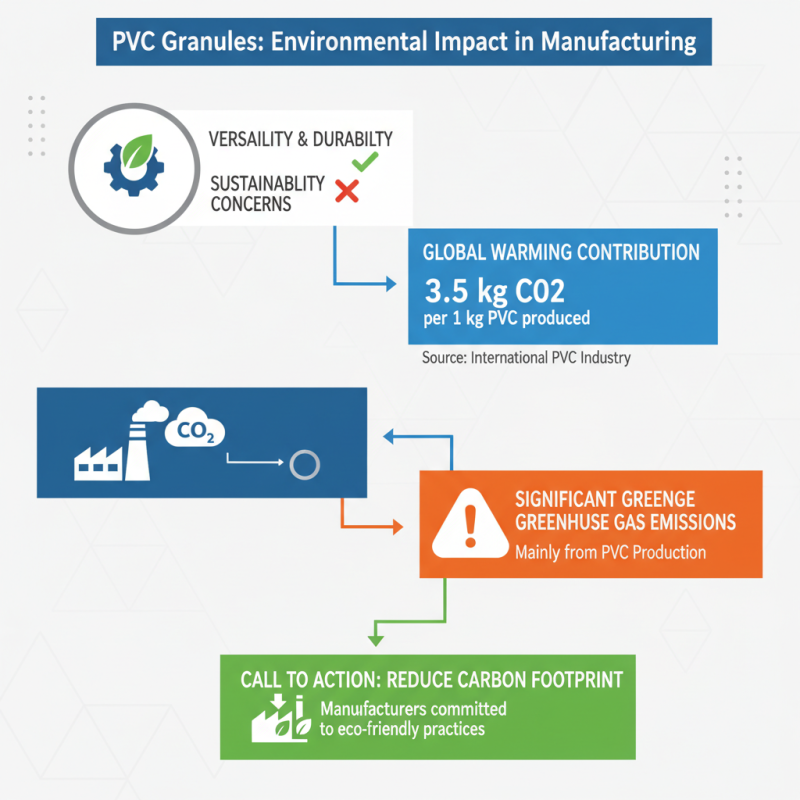
The environmental impact of PVC granules in manufacturing is a hot topic. While they offer versatility and durability, their sustainability raises concerns. Reports show that PVC production generates significant greenhouse gas emissions. According to the International PVC Industry, around 3.5 kg of CO2 is produced for every kilogram of PVC made. This figure demands attention from manufacturers committed to reducing their carbon footprints.
When using PVC granules, consider recycling options. About 30% of PVC can be recycled, but not all facilities accept it. Research indicates that improving recycling processes can lead to a reduction in virgin material use. This shift not only diminishes environmental impact but also lessens dependency on non-renewable resources.
Tip: Always investigate local recycling facilities to maximize your impact. Knowing where to dispose of PVC properly can foster a proactive approach to sustainability. Furthermore, manufacturers should acknowledge their role in the lifecycle of PVC products. If not managed responsibly, they can contribute to long-term waste issues. Embracing complete product stewardship is essential for a more sustainable future in PVC manufacturing.