Top Uses of PVC Film Roll in Various Industries Today?
In today's fast-evolving industrial landscape, the use of PVC film roll is becoming increasingly prevalent. Various sectors, from packaging to automotive, rely heavily on this versatile material. According to a recent market analysis by Smith & Associates, the global PVC film market is expected to reach $10 billion by 2025, driven by its adaptability and cost-effectiveness.
Renowned expert in polymer science, Dr. Emily Carter, notes, "PVC film roll has transformed how industries approach packaging and protection." This material is not only lightweight but also offers excellent barrier properties, making it an ideal choice for food safety and product longevity.
However, the reliance on PVC film also raises questions about sustainability. While it serves many functions, the environmental impact remains a concern. Industry players need to explore eco-friendly alternatives and recycling methods. The challenge lies in balancing functionality and environmental responsibility. Integrating these materials into a sustainable future is an ongoing conversation that requires attention.
Understanding PVC Film Roll: Definition and Properties
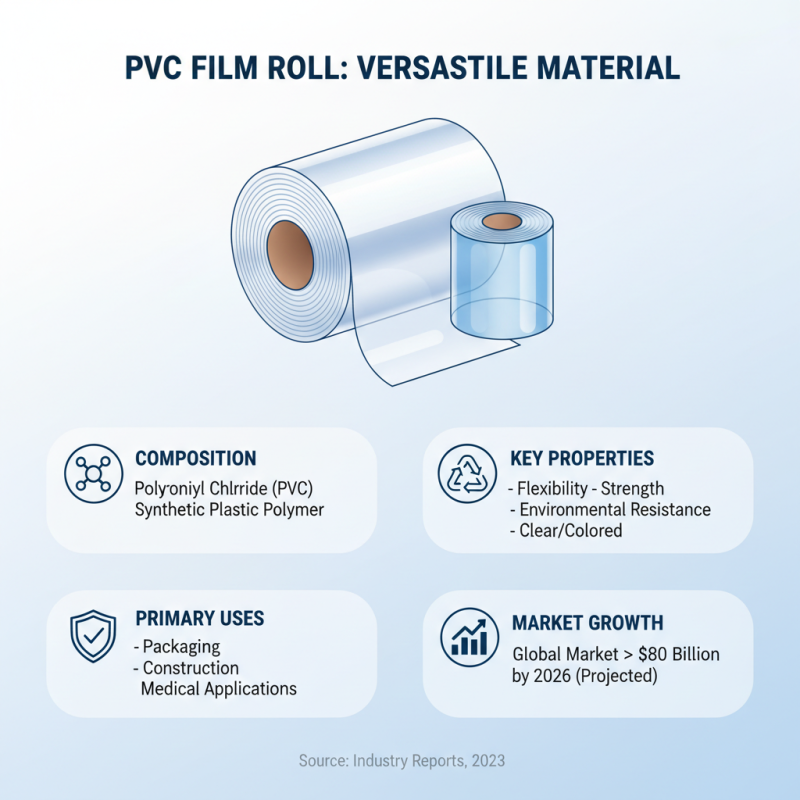
PVC film roll is a versatile material used across multiple industries. It is made from polyvinyl chloride, a synthetic plastic polymer. This material is known for its flexibility, strength, and resistance to environmental factors. The film can be clear or colored, depending on the application. Its durability makes it suitable for packaging, construction, and medical uses. Reports indicate that the global PVC market is expected to reach over $80 billion by 2026, reflecting its growing demand.
In the packaging sector, PVC film plays a crucial role. It provides an excellent barrier against moisture and gases. This feature is essential for preserving food products. According to a recent market analysis, PVC is used in nearly 30% of packaged goods worldwide. Additionally, in the construction industry, PVC film is used for window films and insulation. It can reduce energy costs, making buildings more efficient. However, the environmental impact of PVC production raises questions. Recycling options are limited, and disposal can lead to pollution.
Moreover, the medical field employs PVC film for sterile packaging. It protects medical instruments from contamination. Studies show that around 35% of medical packaging is PVC-based. Despite its advantages, the industry is exploring alternatives due to safety concerns. The journey for better materials remains ongoing, reflecting a need for innovation.
Key Industries Utilizing PVC Film Rolls Today
PVC film rolls are widely used across various industries today. In the packaging sector, companies appreciate their durability and versatility. This film provides excellent protection for products. It helps to keep items fresh and extends their shelf life. Many food manufacturers rely on PVC film to wrap their products securely.
In the medical industry, PVC film rolls play a crucial role. They are used for creating sterile packaging for medical instruments and devices. This ensures safety and hygiene. Some hospitals use this film for safety wraps around equipment. Although effective, improper disposal remains a concern in this sector.
The construction industry also benefits from PVC film. It is often used as a moisture barrier. This helps to prevent water damage in buildings. However, some workers overlook proper installation techniques. This can lead to issues down the line. The various uses of PVC film rolls demonstrate their importance, yet they come with responsibilities.
Applications of PVC Film in Packaging Solutions
PVC film has become a vital material in the packaging industry. Its versatility makes it suitable for a range of applications. This film is often used for wrapping food products. Its barrier properties help keep moisture and air out. It extends the shelf life of perishable items.
Another common use of PVC film is in medical packaging. Hospitals rely on it for sterile packaging of instruments. The film is durable and resistant to punctures. This ensures that medical items remain uncontaminated. However, its use raises concerns about environmental impact. PVC is not biodegradable, prompting discussions about sustainable alternatives.
In retail, PVC film plays a crucial role in product visibility. Transparent packaging enhances the visual appeal of goods. Customers can see what they are buying, which increases confidence. Yet, this reliance on plastic poses challenges. Balancing convenience and eco-friendliness remains a struggle for manufacturers. Finding solutions that reduce waste is an ongoing journey.
Top Uses of PVC Film Roll in Various Industries
Impact of PVC Film in Construction and Building Materials
PVC film has made significant strides in the construction and building materials industry. This material is widely utilized for various applications. Its waterproof nature makes it ideal for protective coverings. Builders often rely on PVC film to shield structures from moisture. It helps extend the durability of materials like wood and concrete.
Moreover, PVC film is lightweight and easy to handle. This aspect simplifies the installation process for contractors. It's often used as a barrier on construction sites. However, there are concerns about its environmental impact. The use of PVC raises questions about sustainability. Are there better alternatives available? These issues require careful consideration by industry stakeholders.
In addition, the transparency of PVC film offers unique advantages. It allows natural light to enter while providing protection. This feature is beneficial for temporary structures and greenhouses. Despite its advantages, PVC film can degrade over time. This limitation calls for ongoing innovation. The construction industry must adapt and seek improvements.
Innovations in PVC Film Technology and Future Trends
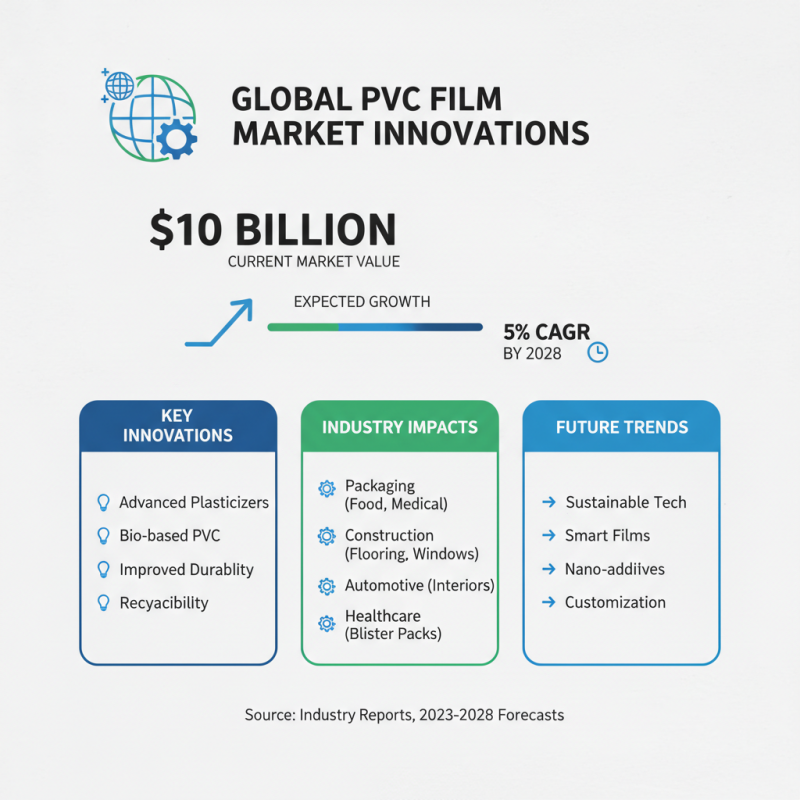
Innovations in PVC film technology have significantly impacted various industries. Recently, the global PVC film market was valued at approximately $10 billion. This number is expected to grow due to advances in production techniques. By 2028, some reports forecast a compound annual growth rate (CAGR) exceeding 5%.
One noteworthy direction is the development of eco-friendly PVC alternatives. Manufacturers are increasingly focusing on reducing the environmental impact of PVC film. Some companies have experimented with bio-based materials, though the technology is still evolving. This shift could challenge traditional PVC usage and needs further exploration.
Moreover, enhanced barrier properties are becoming a key trend. For instance, new PVC films are being developed with improved resistance to gases and moisture. These innovations are crucial for the packaging industry, especially food and pharmaceuticals. Yet, the cost of these advanced materials can be a barrier to widespread adoption. Balancing innovation and affordability remains a critical challenge for manufacturers in the PVC film space.