How to Use PVC Film for Various Applications and Benefits?
PVC Film is a versatile material widely used across various industries. According to a recent report by Transparency Market Research, the global PVC film market is expected to reach $9.4 billion by 2026, demonstrating its growing significance. This increase is driven by the demand for lightweight, durable, and cost-effective packaging solutions.
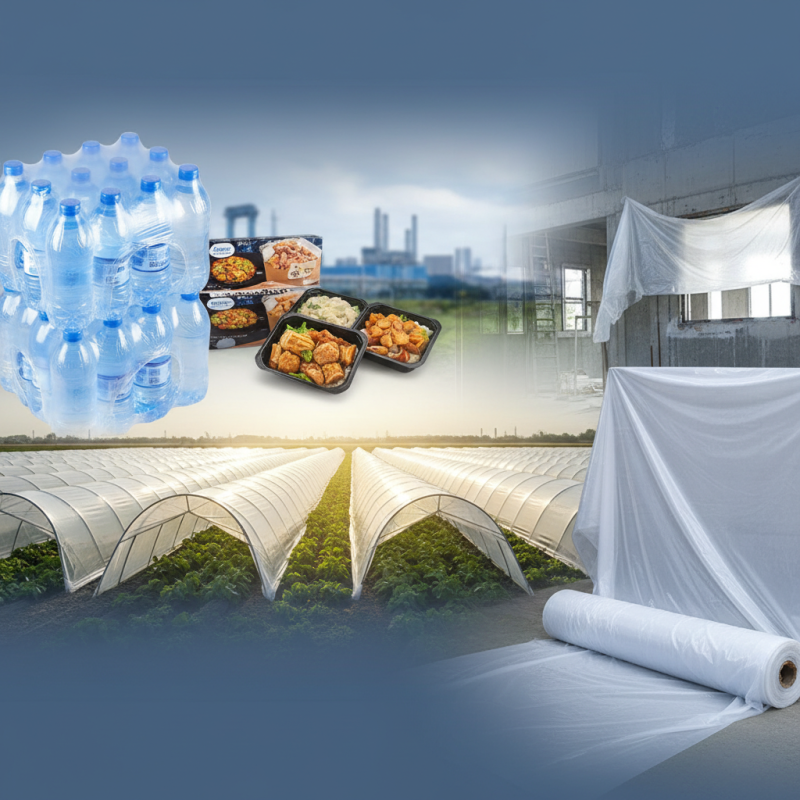
Industry expert Dr. Emily Carter, a leading researcher on plastic materials, emphasizes, "PVC Film's adaptability makes it essential for packaging, agriculture, and construction." This versatility is evident in applications such as shrink wrapping and agricultural covers, which protect products while enhancing shelf life.
Despite its advantages, challenges exist in sustainability and recyclability. The industry must address these issues to ensure long-term viability. As we explore the various applications and benefits of PVC Film, it becomes crucial to recognize both its potential and its pitfalls in today's market.
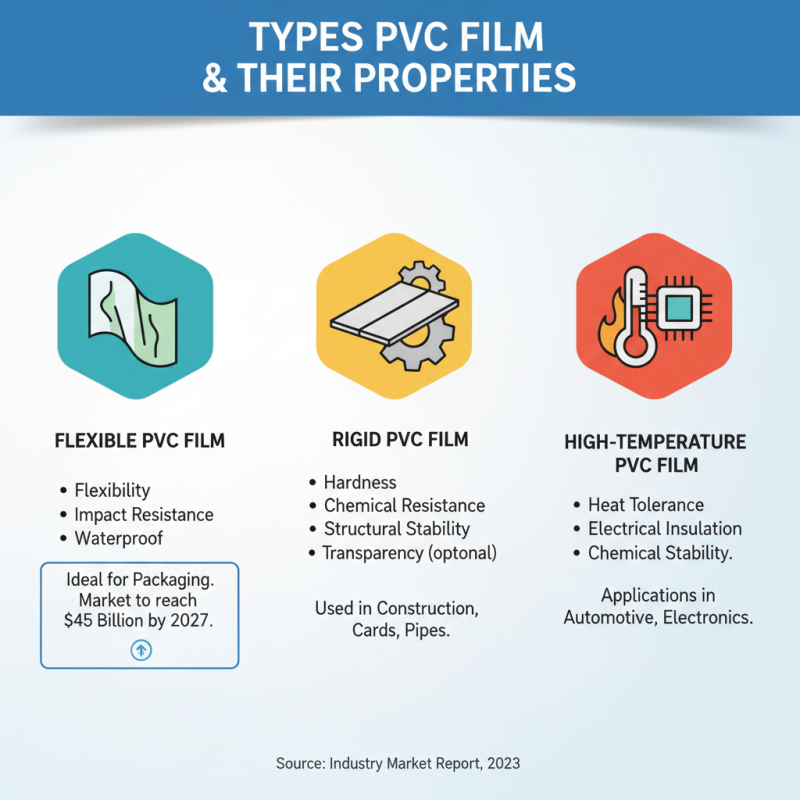
Types of PVC Film and Their Properties
PVC film is widely used across various industries due to its versatile properties. There are several types of PVC film, each with unique characteristics. The most common types include flexible PVC film, rigid PVC film, and high-temperature PVC film. Flexible PVC film is known for its durability and flexibility, making it ideal for packaging applications. According to a market report, the flexible PVC packaging market is expected to reach $45 billion by 2027, driven by its impact resistance and waterproof qualities.
Rigid PVC film, on the other hand, is often used in the manufacturing of items like credit cards and medical devices. Its rigidity offers excellent dimensional stability. A recent study indicated that the demand for rigid PVC in medical applications is growing, with a projected CAGR of 5.2% over the next five years. High-temperature PVC film is essential in industries requiring thermal stability, such as automotive and electronics. However, its high processing temperature can pose challenges, revealing a need for ongoing research to improve handling.
Understanding these properties helps in selecting the right PVC film for specific applications. Issues such as environmental impact of PVC production should also be considered. While PVC is highly effective, its production generates concerns that require careful management. Balancing benefits against potential downsides will lead to better applications in the future.
Common Applications of PVC Film in Industries
PVC film plays a crucial role in various industries. Its versatility makes it ideal for packaging, construction, and consumer goods. In packaging, PVC film is often used for food products. It protects items, extending shelf life. The clarity of the film showcases products well, attracting buyers.
In construction, PVC film serves as a waterproofing material. It can shield structures from moisture damage. However, its long-term environmental impact raises concerns. While it provides excellent protection, alternatives are increasingly favored. Additionally, in the medical field, PVC film is vital for sterile packaging. It ensures the safety of medical products, though the sourcing and disposal of PVC raise ethical questions.
Another noteworthy application is in the production of tarps and banners. PVC film is durable and resistant to weather conditions. Yet, while it offers great durability, it also requires careful disposal. Recycling options are limited, which is a drawback. Balancing its benefits with environmental considerations prompts reflection on sustainable practices.
Benefits of Using PVC Film in Various Applications
PVC film is gaining popularity across various industries due to its numerous benefits. This versatile material is lightweight yet durable. It offers excellent resistance to moisture, chemicals, and UV rays. These properties make it ideal for packaging, signage, and construction applications. Professionals often prefer PVC film for its versatility and reliability.
One of the significant advantages of PVC film is its cost-effectiveness. It is generally cheaper than alternatives such as nylon or glass, making it an attractive option for businesses. Moreover, PVC film is easy to process and can be custom-made in various shapes and sizes. This flexibility in design promotes creative solutions for different needs, although it can sometimes lead to waste if not managed properly.
Another area where PVC film excels is in protecting products. Its barrier properties safeguard against dust, dirt, and harmful elements. This quality is essential in food packaging and medical supplies. Yet, some may argue that using PVC might raise environmental concerns. The recycling process for PVC is not straightforward, often leading to a divide among users. Therefore, it’s essential for industries to reflect on waste management and sustainability practices when opting for PVC film.
Usage Distribution of PVC Film in Different Applications
This bar chart illustrates the distribution of PVC film usage across various applications. As seen, packaging is the most significant application, followed by construction and medical uses. Understanding these distribution percentages can help industries target their applications more efficiently.
Guidelines for Proper Handling and Installation of PVC Film
Proper handling and installation of PVC film is crucial for maximizing its benefits in various applications. According to industry reports, improper installation can lead to failure rates of up to 30%. Careful preparation of the work area is essential. Ensure that the surface is clean, dry, and free from debris before applying the film. This minimizes potential adhesion issues and prolongs the film’s lifespan.
When installing PVC film, attention to temperature is vital. Optimal conditions are between 18°C to 25°C. Extreme temperatures can affect adhesive properties. Use a squeegee to firmly press the film onto the substrate. This eliminates air bubbles, which can compromise the integrity of the film. Industry studies suggest that films installed under improper conditions could reduce their effectiveness by nearly 20%.
Although PVC film is versatile, challenges exist. For instance, seams must be aligned correctly to avoid peeling. It's important to consider the environmental impact as well. Some PVC films are recyclable, yet not all users are aware of their disposal options. Regular maintenance and inspections can prevent early deterioration. Over time, exposure to UV light and harsh conditions can weaken the film, necessitating periodic checks.
Environmental Considerations and Recycling of PVC Film
PVC film is widely used across various industries due to its versatility and durability. However, environmental concerns surrounding PVC film cannot be ignored. The production of PVC contributes to pollution. Moreover, its improper disposal can lead to harmful waste. This raises serious questions about sustainability.
Recycling PVC film is essential for reducing its environmental impact. Unfortunately, the recycling rate for PVC remains low compared to other plastics. Many facilities do not accept PVC, making it challenging to recycle effectively. Awareness and better recycling methods are crucial for changing this. Innovative technologies are emerging to repurpose PVC, but they require investment and public support.
Consumers can also play a role by making informed choices. Looking for alternatives and advocating for better recycling practices can make a difference. Although efforts are underway, more needs to be done. The journey toward sustainable PVC usage is ongoing, and reflection is necessary to improve future strategies. Reducing reliance on PVC film will benefit the environment and enhance community health.
How to Use PVC Film for Various Applications and Benefits? - Environmental Considerations and Recycling of PVC Film
| Application |
Benefits |
Environmental Considerations |
Recycling Methods |
| Packaging |
Durable, lightweight, and moisture-resistant |
Can release toxins if incinerated |
Mechanical recycling and polymer reprocessing |
| Construction |
Insulation properties and ease of installation |
Long lifespan reduces material turnover |
Recycling in specialized facilities |
| Medical Applications |
High clarity and barrier properties |
Disposal must adhere to medical waste regulations |
Incineration or specialized recycling services |
| Graphics and Signage |
Vibrant colors and printing capabilities |
Recycled content can vary in quality |
Recycling through sign-production companies |
| Agriculture |
UV protection for crops and greenhouse coverage |
Biodegradation is slow in soil |
Collection programs for agricultural film |