Why Choose PVC Compound for Your Next Project? Key Benefits Explained!
In the world of modern construction and manufacturing, the choice of materials can significantly impact the efficiency, sustainability, and cost-effectiveness of a project. PVC compound has emerged as a leading material for various applications, thanks to its remarkable versatility and durability. According to Dr. Emily Johnson, a renowned expert in polymer sciences, “Choosing PVC compound is not just about material selection; it's about future-proofing your project through reliability and performance.”
One of the key benefits of PVC compound lies in its exceptional resistance to environmental factors, making it an ideal choice for both indoor and outdoor applications. Its lightweight nature combined with impressive strength allows for easier handling and installation, ultimately contributing to project timelines and budgets. Furthermore, the recyclability of PVC compound aligns perfectly with the growing emphasis on sustainable building practices, ensuring that your project not only meets current standards but paves the way for a greener future.
As more industries recognize the advantages of PVC compound, it is essential for project managers and decision-makers to fully understand the material's unique properties and benefits. By opting for PVC compound in your next project, you are embracing a solution that promotes performance, longevity, and environmental responsibility.

Understanding PVC Compound: Composition and Properties
PVC compound, or polyvinyl chloride compound, is a versatile thermoplastic polymer composed primarily of vinyl chloride monomers. Its formulation typically incorporates a variety of additives, including plasticizers, stabilizers, fillers, and lubricants, which enhance its properties and performance for diverse applications. The presence of plasticizers, for instance, imparts flexibility to the rigid PVC, making it suitable for a broader range of uses, from flexible pipes to soft flooring materials. This combination of components allows for customization of the PVC compound to meet specific project requirements, resulting in a product that can be tailored for durability, flexibility, and resistance to environmental factors.
The properties of PVC compounds are notably advantageous for various industries. The material is inherently resistant to chemicals, moisture, and UV light, which makes it an excellent choice for outdoor and industrial applications. Additionally, PVC compounds provide good insulation properties and are flame-retardant, making them safe for electrical applications. The lightweight nature of PVC also contributes to ease of handling and installation, reducing labor costs in construction projects. Overall, the unique composition and beneficial properties of PVC compounds make them a compelling choice for engineers and designers seeking reliable material solutions in their next projects.
The Versatile Applications of PVC Compound in Various Industries
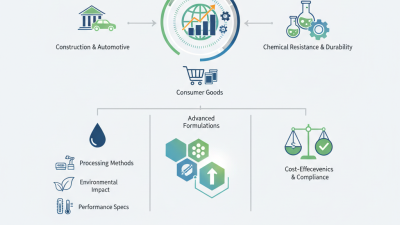
PVC compound has emerged as a go-to material across various industries due to its unmatched versatility and a multitude of applications. From construction materials to automotive components, the unique properties of PVC compounds make them an ideal choice. According to a recent report by Allied Market Research, the global PVC market size was valued at approximately $57 billion in 2020 and is projected to reach over $78 billion by 2027, reflecting an increasing demand for its diverse applications.
In the construction industry, PVC compounds are widely utilized in plumbing pipes, roofing, and siding due to their durability, chemical resistance, and low maintenance requirements. The versatility of PVC allows it to be easily molded into various shapes, making it suitable for intricate designs and robust structures alike. In the automotive sector, PVC is favored for its lightweight yet strong characteristics, contributing to fuel efficiency while maintaining safety standards. Additionally, the electrical industry leverages PVC compounds due to their excellent insulating properties, ensuring safety and longevity in wiring applications.
Tips for choosing the right PVC compound include considering the specific application requirements, such as exposure to chemicals or temperature fluctuations. Furthermore, always consult industry reports and data trends to stay informed about the latest innovations in PVC technology. Proper material selection can significantly enhance project performance and reduce overall costs.
Why Choose PVC Compound for Your Next Project? Key Benefits Explained!
| Benefit |
Description |
Industries Utilized |
| Durability |
PVC compounds are resistant to impact, chemicals, and UV radiation, ensuring a long-lasting product life. |
Construction, Automotive, Electrical |
| Cost-effectiveness |
PVC is often more affordable compared to other materials, reducing overall project costs. |
Manufacturing, Packaging, Construction |
| Versatility |
Easily customized for different applications, making it suitable for a wide range of products. |
Medical, Consumer Goods, Automotive |
| Recyclability |
PVC can be recycled, leading to reduced environmental impact and sustainability. |
Construction, Retail, Automotive |
| Low Maintenance |
Products made from PVC require minimal maintenance, saving time and resources. |
Construction, Furniture, Utilities |
Key Advantages of Using PVC Compound for Construction and Manufacturing
When considering materials for construction and manufacturing, PVC compound stands out for its versatility and durability. One of the key advantages of using PVC compound is its excellent resistance to environmental factors such as moisture, chemicals, and UV radiation. This makes it an ideal choice for both outdoor and indoor applications. Furthermore, the lightweight nature of PVC allows for easier handling and reduced transportation costs, which can be a significant factor in large-scale projects.
Tips for utilizing PVC compound effectively include ensuring proper ventilation during installation to prevent accumulation of any fumes. Additionally, it’s essential to select the right PVC formulation that matches the specific requirements of your project, such as flexibility or rigidity, to maximize performance.
Another advantage of PVC compound is its low maintenance requirement. Unlike some traditional materials that may require regular upkeep, PVC remains stable and retains its appearance over time, reducing long-term costs. It's important to keep in mind that while PVC is durable, proper installation techniques should always be followed to maintain its integrity and ensure prolonged use. By choosing PVC compound for your project, you benefit from its long-lasting properties and ease of use, making it a top choice in the industry.
Key Benefits of Using PVC Compound for Construction and Manufacturing
Environmental Considerations and Sustainability of PVC Compound
When considering materials for your next project, the environmental considerations and sustainability of PVC compounds cannot be overlooked. PVC, or polyvinyl chloride, is a versatile material widely used in construction, packaging, and other industries. One of its key benefits is the potential for recycling; many PVC products can be collected, reprocessed, and reused, which significantly reduces waste. By leveraging recycled PVC, manufacturers can conserve resources and minimize the carbon footprint associated with production.
Tips: When selecting PVC compounds, look for products that are labeled as recyclable and sourced from suppliers who prioritize sustainable practices. This not only helps in reducing environmental impact but also supports a circular economy where materials are reused effectively.
Another aspect of sustainability is the long lifespan of PVC compounds. Known for their durability and resistance to environmental factors, these materials require less frequent replacement, which further reduces waste over time. Investing in high-quality PVC products means fewer lifecycle impacts, contributing positively to the environment.
Tips: Conduct a life cycle assessment (LCA) for your project materials to understand their environmental impact thoroughly. This assessment can inform your choices and encourage the use of materials that align with sustainability goals.
Cost-Effectiveness and Durability of PVC Compound in Long-Term Projects
When considering materials for long-term projects, the cost-effectiveness and durability of PVC compound stand out as compelling advantages. PVC, short for polyvinyl chloride, is renowned for its resilience against the rigors of time, environmental conditions, and mechanical stress. This remarkable durability translates into reduced maintenance costs and a longer lifecycle for structures and products made from this versatile material. The longevity of PVC compound means that it can withstand the elements without deteriorating, making it an excellent choice for both indoor and outdoor applications.
Moreover, PVC compound is often more economical than alternative materials. While the initial investment may vary, the long-term savings associated with PVC make it an attractive option for budget-conscious projects. The material's resistance to corrosion, impact, and chemical exposure ensures that it does not need frequent replacement or repairs, which can add significant costs over time. By choosing PVC compound, project managers can not only reduce initial expenditures but also avoid unexpected expenses down the line, solidifying its reputation as a cost-effective solution for a wide array of applications.