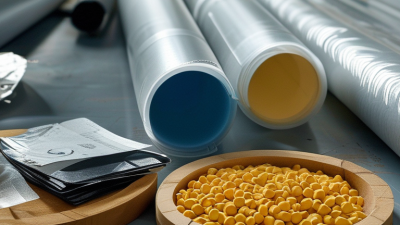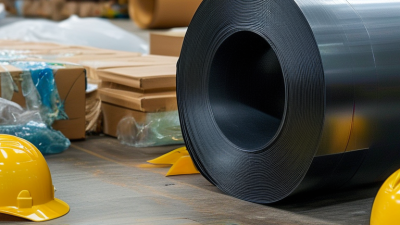
China has become a major sourcing base for flexible plastic films, including Pvc Film Sheet products used in packaging, printing, construction, and interior decoration. However, choosing a reliable manufacturer requires more than comparing online prices. Factory experience, material consistency, production capacity, and communication quality can strongly affect the final result.
This guide examines leading Chinese manufacturers through practical purchasing criteria. It considers PVC formulation, thickness tolerance, surface finish, color accuracy, roll width, and packaging protection. A dependable supplier should provide clear technical data, stable sample results, and traceable quality-control procedures. Certifications can support credibility, but they should be checked carefully rather than accepted at face value.
Small details matter.
During supplier evaluation, buyers should request production samples and compare them under real lighting conditions. A glossy film may look excellent online but reveal uneven coating or pinholes after printing. Transparent grades require additional attention because haze and surface marks can become visible during installation. Delivery history, after-sales response, and willingness to correct defects also reveal a manufacturer’s professionalism.
No factory is perfect.
Even experienced producers may face color variation between batches or delays during peak seasons. That reality deserves honest consideration. The best choice depends on the intended application, order volume, budget, and required performance. This overview aims to provide a balanced starting point for identifying China’s strongest Pvc Film Sheet manufacturers and making a more confident, evidence-based decision.
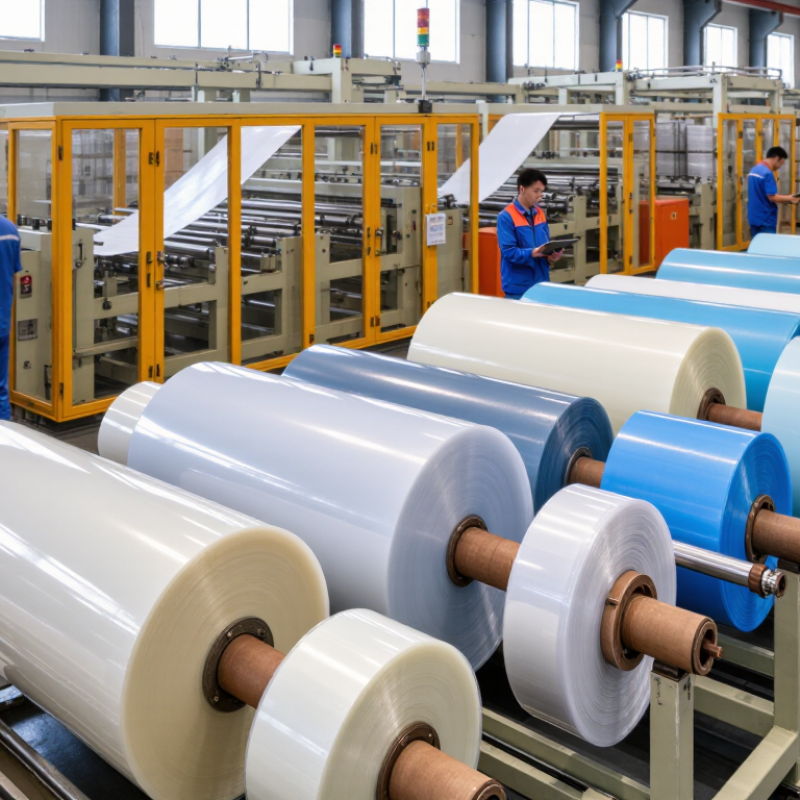
PVC film sheet is a thin, flexible, or semi-rigid material made from polyvinyl chloride resin. It can be clear, colored, printed, embossed, or laminated. Its performance depends on additives, thickness, plasticizer content, and surface treatment. Grand View Research reported that the global PVC market was valued at over USD 45 billion in 2023, supported by construction, packaging, healthcare, and electrical applications. PVC film is used for wall coverings, furniture surfaces, window profiles, labels, protective layers, and flexible packaging. A transparent sheet may protect a display, while a textured sheet can imitate wood or stone. The difference is practical, not merely visual.
Industry data also reveals a quality challenge. PlasticsEurope reported global plastics production above 400 million tonnes in 2022, showing the scale of material demand and waste management pressure. PVC products can offer long service life, but unsuitable formulations may crack, shrink, or release unwanted odors during processing. The “best” sheet is therefore not always the thickest or cheapest option. It should match temperature, bending, printing, outdoor exposure, and contact requirements. Some product descriptions remain too general. That deserves closer checking.
Tips: Request technical data before sampling. Check thickness tolerance, tensile strength, surface energy, light transmission, and recommended temperature range. For outdoor use, ask for weathering test results, not only marketing claims. Compare batch samples because gloss and color can vary. Also review recycling instructions and regional compliance documents. A small trial can reveal curling, poor ink adhesion, or brittle edges before full production.

PVC film and sheet products are available in different thicknesses according to their application. Thin films are commonly used for food wrap and labels, while thicker sheets are used for medical products, decorative surfaces, cards, and construction membranes. The ranges shown are typical industry specifications; exact dimensions vary by formulation, processing method, and application requirements.
Choosing a capable PVC film sheet manufacturer in China requires more than comparing online prices. Start with evidence. Request production photos, material specifications, and recent quality records. A reliable supplier should explain resin types, plasticizer use, thickness tolerance, surface treatment, and roll-width control in clear language.
Ask for physical samples from regular production, not specially prepared pieces. Measure thickness at several points with a calibrated gauge. Check clarity, flexibility, odor, tensile strength, and sealing performance. For printed or coated film, inspect color consistency under different lighting. Details matter. A useful supplier will also provide batch numbers, inspection reports, and traceable packing records.
Factory experience becomes visible during technical discussions. Can the team recommend suitable film for packaging, construction, or protective applications? Can it explain storage limits, temperature behavior, and common failure points? A factory audit should review extruders, clean work areas, laboratory equipment, and corrective-action records. Independent testing can verify key claims. Do not rely on certificates alone; confirm their scope and validity.
I once focused too heavily on a low quotation and ignored uneven thickness. That mistake created waste during converting. Price still matters, but consistency usually matters more. A responsive manufacturer may admit a limitation and propose a practical adjustment. That honesty is valuable. Ask difficult questions before signing a long-term agreement.
China’s PVC film sheet sector serves packaging, construction, furniture, and industrial applications. Selecting a supplier requires more than comparing factory prices. Buyers should review resin quality, plasticizer control, thickness tolerance, and production traceability. A reliable manufacturer can provide batch records, inspection reports, and samples cut from current production. Small details matter. A cloudy edge can reveal poor processing.
Industry forecasts support continued demand. Fortune Business Insights projects the global PVC films market to grow at about 6.2% annually from 2024 to 2032. Grand View Research reports a growth rate near 4.8% through 2030. These figures differ because research methods and market definitions vary. That difference deserves attention. It prevents buyers from treating forecasts as guaranteed results.
Leading Chinese manufacturers should demonstrate stable extrusion lines, controlled cooling, and consistent surface treatment. Ask for test data covering thickness deviation, tensile strength, elongation, shrinkage, and haze. For packaging or interior use, request applicable migration, RoHS, or REACH documentation. Independent laboratory testing remains valuable, especially when specifications are critical. Factory audits can also verify storage conditions, waste handling, and worker training. A polished sample proves little. Long-term consistency matters more. Some suppliers may offer impressive first batches but weaker repeat production, so trial orders and third-party inspections should remain part of the purchasing process.
Comparing PVC film sheet manufacturers requires more than checking a product catalogue. In practical sourcing, surface quality is the first visible signal. Inspect gloss, color consistency, thickness tolerance, and edge finish under natural light. A reliable manufacturer should provide test data for tensile strength, elongation, shrinkage, and aging resistance. Samples must match the mass-production batch. This is where some suppliers disappoint.
Tips: Request samples from different production dates. Measure thickness at several points. Ask for inspection records, raw material details, and corrective-action reports. A factory that explains defects honestly may be more dependable than one promising perfection.
Technology also affects long-term performance. Modern extrusion lines, accurate temperature control, and online thickness monitoring can reduce weak spots and uneven surfaces. Ask how frequently equipment is calibrated and how operators handle rejected rolls.
Production capacity matters, but a large factory is not automatically the best choice. Review monthly output, storage conditions, lead times, and backup equipment. During supplier evaluations, I would also check whether quality staff can trace a roll from resin input to final packing. That evidence feels more useful than polished showroom photographs.
Capacity figures can be unclear, too, especially during peak seasons. A smaller, well-managed line may deliver steadier results than an overloaded facility.
Choosing the best PVC film sheet manufacturer requires more than comparing prices. Start with your application: packaging, printing, lamination, or industrial covering. The required thickness, flexibility, transparency, and surface finish will change the suitable supplier. Ask for samples in the exact specification. Check whether the sheet remains flat after storage and resists tearing during handling. Small details matter.
A reliable manufacturer should provide clear technical data, production tolerances, and recent quality inspection records. Confirm resin information, thickness consistency, roll width, color stability, and packaging protection. A useful supplier will explain limitations instead of promising everything. Review factory equipment, quality control steps, and production capacity. Ask how rejected rolls are handled. Their answer reveals operational discipline. Certifications can support trust, but documents alone cannot replace sample testing.
Tips: Compare at least three suppliers using the same specification sheet. Test samples under actual temperature, printing, or bonding conditions. Request a small trial order before long-term purchasing. Keep written records of defects, delivery time, and communication quality. A low quotation may seem attractive, yet inconsistent thickness can increase waste and labor costs. I have seen buyers focus too heavily on unit price and overlook packaging damage. That decision can look reasonable at first. It may not remain reasonable later. Also consider response speed, replacement procedures, and technical support after delivery.
| Selection Criterion | PVC Type and Formulation | Confirm whether the product is made from flexible PVC, semi-rigid PVC, or rigid PVC, and whether the formulation is suitable for the intended application. | Request a technical data sheet, formulation range, sample, and application-specific compliance documentation. | PVC formulation affects flexibility, durability, chemical resistance, processing behavior, and end-use performance. | |
|---|---|---|---|---|---|
| Thickness Tolerance | Compare the stated nominal thickness with the permitted production tolerance. The acceptable range should match the converting or forming process. | Check thickness measurements at multiple points across the roll or sheet using calibrated measuring equipment. | Consistent thickness helps reduce waste, improve appearance, and maintain stable downstream processing. | ||
| Width and Roll-Length Accuracy | Evaluate whether delivered width, roll length, core size, and winding direction consistently meet the purchase specification. | Compare incoming inspection records with the purchase order and approved sample specification. | Accurate dimensions improve machine efficiency and make production planning more predictable. | ||
| Surface Finish | Select the required finish, such as glossy, matte, embossed, textured, transparent, translucent, or opaque. | Approve a physical reference sample and inspect gloss, haze, color uniformity, scratches, pinholes, and contamination. | Surface quality directly influences product appearance, printability, lamination, and customer acceptance. | ||
| Mechanical Performance | Compare tensile strength, elongation at break, tear resistance, puncture resistance, and dimensional stability according to the application. | Review laboratory test reports and verify key results through independent or incoming quality testing. | Mechanical properties indicate how the film or sheet will perform during handling, forming, installation, and service. | ||
| Temperature Resistance | Check the recommended service-temperature range and resistance to heat, cold, and temperature cycling. | Request application-specific test data and confirm the test conditions, exposure time, and evaluation criteria. | Temperature suitability is essential for outdoor products, automotive uses, cold environments, and heat-forming processes. | ||
| Chemical and Weather Resistance | Assess resistance to moisture, oils, cleaning agents, plasticizers, ultraviolet exposure, and outdoor aging where relevant. | Review accelerated-aging or chemical-resistance reports and test samples under actual service conditions when possible. | Strong resistance helps prevent discoloration, embrittlement, swelling, cracking, and loss of performance. | ||
| Printing and Lamination Compatibility | Confirm compatibility with the intended printing ink, adhesive, coating, laminating process, and surface-treatment method. | Conduct a trial using the buyer’s ink, adhesive, equipment, and processing parameters before mass production. | Compatibility reduces adhesion failures, ink defects, delamination, rework, and production downtime. | ||
| Regulatory and Safety Documentation | Obtain documentation relevant to the market and application, such as restricted-substance declarations, safety data, or food-contact evidence where required. | Check document validity, product scope, testing laboratory information, and whether the documents apply to the supplied material. | Correct documentation supports import clearance, customer audits, regulatory compliance, and responsible product selection. | ||
| Quality Management | Prefer a manufacturer with documented incoming-material inspection, in-process controls, final inspection, traceability, and corrective-action procedures. | Request quality-system certificates, inspection records, control plans, and a summary of nonconformance handling. | A controlled quality system improves consistency between batches and makes problems easier to investigate. | ||
| Production Capacity and Lead Time | Compare monthly capacity, standard lead time, peak-season availability, minimum order quantity, and ability to support repeat orders. | Ask for a written production schedule, capacity statement, sample-to-production timeline, and contingency plan. | Reliable capacity and delivery reduce inventory risk and help maintain uninterrupted manufacturing operations. | ||
| Packaging and Shipment Protection | Review roll protection, edge protection, moisture control, pallet configuration, labeling, and container-loading practices. | Approve packaging specifications and inspect shipment photographs or a pre-shipment packing report. | Appropriate packaging reduces wrinkles, edge damage, contamination, deformation, and transport-related claims. | ||
| Sample and Pilot-Trial Support | The manufacturer should provide representative samples, clear sample identification, technical guidance, and reasonable pilot-order support. | Evaluate sample consistency, response time, technical communication, and whether pilot results can be reproduced in production. | Sampling allows buyers to confirm performance before committing to larger quantities. | ||
| Technical Communication and Service | Assess response speed, specification accuracy, engineering support, complaint handling, and ability to communicate in clear written English. | Use a formal inquiry with technical questions and compare the completeness and accuracy of the replies. | Effective communication prevents specification errors and speeds up problem resolution. | ||
| Total Cost of Ownership | Compare material price together with yield, packaging, freight, customs, testing, waste rate, conversion efficiency, and claim risk. | Build a landed-cost model using the same specifications, order quantity, delivery terms, and quality requirements. | The lowest quoted price may not provide the lowest overall cost if quality variation creates waste or downtime. |