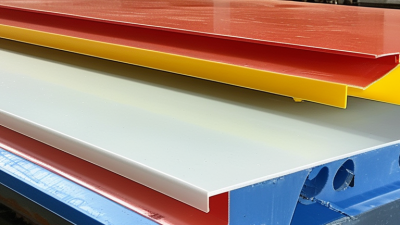
Global demand for Pvc Film Sheet continues to expand across packaging, construction, healthcare, agriculture, and interior design. Grand View Research valued the global PVC films market at approximately USD 4.7 billion in 2023. Its report also projects steady growth through 2030, supported by flexible packaging and durable surface applications. Smithers identifies packaging performance, lightweight structures, and recyclable design as important market drivers. Estimates differ, however. Definitions, regional coverage, and film categories are not always consistent.
Choosing a manufacturer requires more than comparing prices. Buyers should examine resin quality, thickness tolerance, surface finish, tensile strength, and production consistency. A reliable supplier should provide technical datasheets, batch records, test certificates, and clear delivery terms. For medical or food-contact applications, documented compliance is essential. Patrick Moore, a longtime PVC commentator and former Greenpeace leader, said, “PVC is the most versatile and useful plastic material in the world.” His statement reflects PVC’s broad utility, but it should not replace independent testing. Performance depends on formulation, plasticizers, stabilizers, printing methods, and application conditions. Small differences matter. A film that looks clear under showroom lighting may become brittle in cold storage. A cheaper roll may also create higher waste during converting. This guide reviews top PVC Film Sheet manufacturers for global buyers, focusing on manufacturing capability, quality systems, customization, certifications, and practical export experience. No supplier is perfect. The strongest choice depends on the product’s actual end use.

PVC film sheet manufacturing starts with a controlled material recipe. Most formulations use PVC resin, plasticizers, heat stabilizers, pigments, and selected fillers. Flexible grades need enough plasticizer for bending, while rigid sheets depend on lower plasticizer levels. Too much filler can reduce clarity and impact strength. That trade-off is easy to underestimate.
Manufacturers blend these ingredients before feeding them into heated processing equipment. Calendering forms a smooth web between heated rolls. Extrusion pushes melted PVC through a flat die. Cooling rollers then control thickness and surface finish. Printing, embossing, laminating, or adhesive coating may follow. Small temperature changes can alter gloss, shrinkage, and color consistency. Quality teams should check thickness across the full roll, not only at its edge.
Product types vary widely. Clear film supports visibility and layered designs. Opaque film offers privacy and stronger color coverage. Rigid PVC sheet suits formed panels, protective covers, and fabricated parts. Flexible film works for wrapping, surface protection, labels, and interior finishing. Embossed or anti-slip surfaces add texture, but they can complicate cleaning. Buyers should request samples, technical data, and batch records before approving volume production. For global purchasing, confirm applicable regional safety and environmental requirements before shipment. Even experienced teams sometimes overlook roll width tolerance. That detail can create costly waste during installation.

Top PVC Film Sheet Manufacturers for Global Buyers
Key Criteria for Evaluating PVC Film Sheet Manufacturers
Experienced buyers should examine more than price and catalog images. Request a technical datasheet for every PVC film sheet grade. Check thickness tolerance, width accuracy, tensile strength, elongation, and surface finish. A reliable manufacturer explains test methods clearly. Vague figures create costly surprises.
Ask for recent production samples, not only showroom pieces. Compare color, gloss, flexibility, and edge quality under normal lighting. Test a sample after heat exposure and repeated bending. Small cracks often appear later. I have found that packaging details also reveal production discipline. Rolls should have clear labels, batch numbers, and moisture protection.
Production traceability matters. The supplier should identify resin sources, additives, inspection points, and corrective actions. Confirm whether the factory can maintain stable output during larger orders. Capacity claims need evidence. Review factory audit records, quality certificates, and customer references when available. Certifications help, but they do not replace physical testing.
Communication is another practical criterion. Technical questions should receive specific answers, drawings, and realistic lead times. Be careful with suppliers promising every feature at the lowest cost. That sounds attractive, but it may indicate weak quality control. Buyers should also confirm packaging standards, export documents, and product compliance for the destination market. Some evaluation decisions remain uncertain until a pilot order is completed.
Leading PVC film sheet manufacturers serve converters, packaging plants, construction suppliers, and medical-product producers worldwide. Reliable producers begin with resin selection, plasticizer control, and documented processing temperatures. Buyers should request thickness tolerance, roll width, surface finish, and core dimensions before comparing quotations. A 0.05-millimeter variation can affect sealing, printing, or forming performance. Small details matter.
Experienced manufacturers keep batch records from compounding through final winding. Their teams test tensile strength, elongation, haze, gloss, and heat stability. They also inspect edges for wrinkles, telescoping, and trapped particles. These checks show practical competence, not merely attractive catalog claims. For international orders, dependable suppliers explain packaging, pallet loading, moisture protection, and shipping terms clearly. They provide samples matching production specifications, rather than convenient substitutes.
Third-party laboratory reports can support claims about restricted substances and application safety. However, a report is not a permanent guarantee. Formulas and suppliers can change. A useful factory audit examines calibration records, corrective-action logs, worker training, and traceability. Ask how rejected rolls are isolated and how complaints are investigated. Strong manufacturers answer with records and measurable limits. Vague promises deserve caution. Cost still matters, but the lowest quote may hide unstable thickness or excessive trim waste. One field lesson is clear: release liner curling during humid storage can ruin otherwise suitable film. Specifications should include storage humidity, shelf life, and inspection methods.
Top PVC Film Sheet Manufacturers for Global Buyers
International buyers should assess more than price, gloss, and delivery speed. A dependable PVC film sheet manufacturer can provide ISO 9001 quality management records, current test reports, and clear batch traceability. Check whether certificates match the actual factory, product grade, and production site. Documents with outdated addresses create unnecessary doubt.
Request a certificate of analysis for each shipment. It should show thickness, width, tensile strength, elongation, surface finish, and visual inspection results. For packaging or sensitive applications, confirm applicable food-contact, REACH, RoHS, ASTM, EN, or national requirements. These standards are not interchangeable. A film suitable for printing may fail a medical or food-contact evaluation. Ask for migration testing when contact with food is expected.
A practical factory audit should follow the material from resin storage to final packing. Inspect moisture control, calibrated gauges, clean production areas, and labeled rolls. Review how nonconforming film is isolated. I have found that small details, such as unreadable labels, can weaken an otherwise strong compliance system. No certificate should end the conversation. Certificates can expire, test methods can change, and supplier claims may need independent verification. Ask for samples from different batches and compare them under real light, temperature, and handling conditions. Compliance is not a single document. It is a repeatable process, and that process deserves careful questioning.
The chart compares the publication or reference year of widely used international standards and regulatory frameworks relevant to PVC film supply chains. Applicability depends on the film’s end use, market, formulation, and customer specifications.
ISO 9001 supports quality-management systems, ISO 14001 addresses environmental management, ISO 45001 covers occupational health and safety, REACH and RoHS address chemical and restricted-substance requirements, while EN 71-3 and ASTM F963-23 may apply to toy or child-related products. Buyers should verify the latest edition and product-specific requirements before placing an order.
Global PVC film sheet buyers need more than a factory quotation. Reliable export service includes clear specifications, stable packaging, and accurate shipping documents. Ask suppliers to confirm film thickness, width, roll length, surface finish, and production tolerance. A practical supplier should provide samples before mass production. Samples reveal problems that product photos often hide.
Pricing depends on resin quality, thickness, color, order volume, printing, packaging, and transport terms. Freight costs can change sharply by destination and season. Request a complete quotation with currency, minimum order quantity, lead time, payment terms, and delivery conditions. A low price may look attractive, but I have seen it exclude reinforced cartons or export handling. That mistake creates unexpected costs. Buyers should compare the final landed cost, not only the unit price.
Tips: Check recent test reports, factory capacity, and response speed. Confirm whether the supplier can handle mixed sizes or repeat orders. Request photos of pallets, edge protection, and loading procedures. Ask how defects are recorded and replaced. A short video call can expose weak organization. Do not rely on promises alone. Put every agreed detail into the purchase contract, including inspection standards and delivery dates. Some suppliers answer quickly but provide vague measurements. That is a warning worth considering.