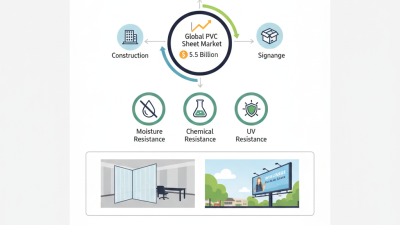
China Best PVC Film Sheet Types for Various Applications?
In recent years, the demand for PVC film sheets has surged across various industries, including packaging, construction, and automotive. According to a report by Research and Markets, the global PVC film market is projected to reach USD 58 billion by 2025. This growth underscores the material's versatility and cost-effectiveness, making it an ideal choice for a myriad of applications.
PVC film sheets provide excellent durability, resistance to moisture, and ease of processing. Their benefits are particularly evident in packaging, where flexible, transparent films are preferred for their aesthetic appeal and protective qualities. However, choosing the right type is crucial, as not all PVC films are created equal. Some may lack the necessary tensile strength, while others could be prone to environmental degradation.
Despite the impressive advantages, there are challenges in the production and disposal of PVC film sheets. Environmental concerns regarding plastic waste are mounting. Manufacturers must strive for sustainable practices, focusing on recyclability and reducing harmful additives. This balance of performance and environmental responsibility is key as we navigate the future of PVC film technology.
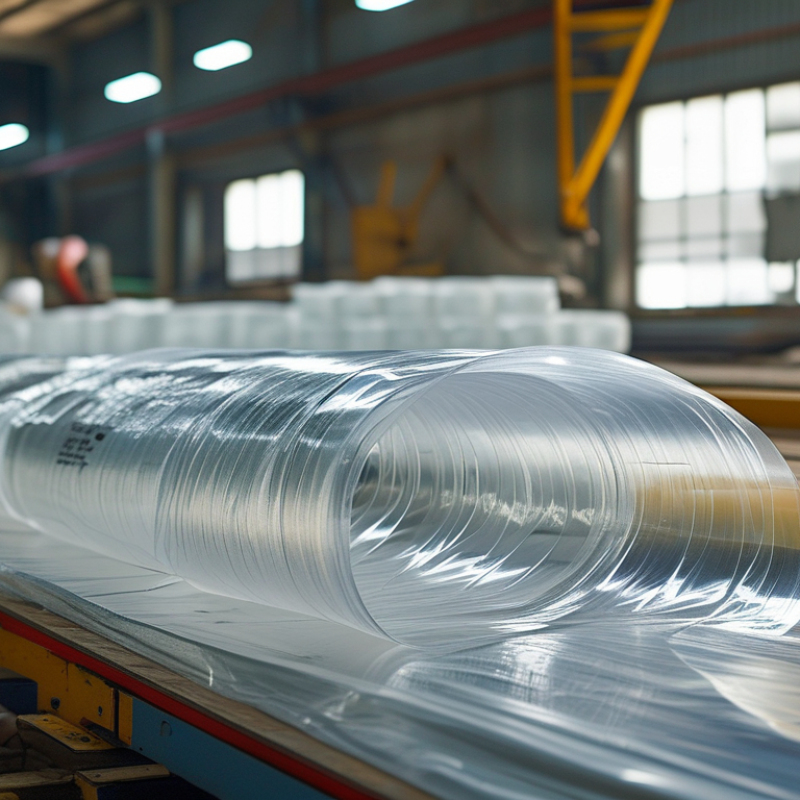
Types of PVC Film Sheets: Overview and Properties for Industry Usage
PVC film sheets are essential in many industries due to their versatile properties. These sheets come in various types, each designed for specific applications. Rigid PVC sheets are strong and durable. They are often used in signage and display products. Flexible PVC sheets, on the other hand, are more pliable. They are commonly found in packaging and protective coverings.
Different thicknesses contribute to the performance of these sheets. For instance, thinner sheets are lightweight, making them suitable for temporary applications. In contrast, thicker sheets offer enhanced durability and impact resistance. While these characteristics are valuable, they may not always meet every industry need. Some applications may require custom formulations to achieve the desired balance of flexibility and strength.
Color variations also play a significant role in aesthetic applications. Transparent sheets allow for easy visual access while adding protection. In contrast, colored sheets can provide branding opportunities and visual appeal. However, not all color choices may perform equally under UV exposure. This reliance on visual properties highlights the importance of careful material selection. Industries must weigh aesthetic goals against functional requirements when choosing PVC film sheets.
Key Applications of PVC Film Sheets Across Various Industries
PVC film sheets are versatile materials used across several industries, thanks to their durability and flexibility. In the packaging sector, these sheets are commonly utilized for wrapping food products and creating protective covers. Their barrier properties help to keep contents fresh while preventing moisture and contaminants. Additionally, they can be printed on easily, making them ideal for branding and marketing.
In the construction industry, PVC film sheets serve a variety of roles. They are often used as vapor barriers, providing crucial resistance against moisture. Moreover, these sheets can be employed in waterproofing systems and as part of insulation materials. Although they are effective, there are concerns about the environmental impact of PVC production and disposal. This has led to calls for more sustainable alternatives in construction.
In the healthcare sector, clear PVC film sheets find applications in medical packaging and disposable supplies. They protect sterile products while ensuring visibility for safety checks. However, concerns about plastic use in healthcare demand a reevaluation of materials. It's essential to balance functionality with eco-friendly practices, prompting a continuous search for better solutions.
China Best PVC Film Sheet Types for Various Applications
| PVC Film Sheet Type |
Thickness (mm) |
Color |
Key Application |
Industry |
| Transparent PVC Film |
0.2 - 2.0 |
Transparent |
Packaging |
Food and Beverage |
| Opaque PVC Film |
0.5 - 3.0 |
White |
Signage |
Advertising |
| Textured PVC Film |
0.3 - 1.5 |
Various colors |
Wall Covering |
Construction and Interior Design |
| Self-adhesive PVC Film |
0.2 - 1.0 |
Multiple colors |
Labeling |
Retail and Logistics |
| Electrical Insulation PVC Film |
0.1 - 1.0 |
Black or Green |
Insulation |
Electronics |
Performance Metrics of PVC Film Sheets: Durability and Aesthetic Qualities
The performance of PVC film sheets varies significantly based on their application. Durability is a crucial factor for many industries. According to a recent report, high-quality PVC films can endure temperatures ranging from -30°C to 70°C. This range makes them suitable for both outdoor and indoor uses. However, not all PVC films reach these standards. Lower-grade options may fail under harsh conditions, leading to costly replacements. Evaluating the thermal resistance of a film before selection is vital.
Aesthetic qualities also play a key role in the appeal of PVC film sheets. Many industries prioritize visuals. The market has shown that films with high gloss finishes increase consumer interest by up to 30%. Textured films can provide additional depth, enhancing design versatility. Yet, some films with attractive surfaces may lack resilience over time. This can lead to discoloration or surface damage, undermining their initial appeal. Users must balance aesthetics and durability to ensure long-term satisfaction.
Additionally, industry standards for PVC film sheets indicate that UV stability is essential for outdoor applications. Reports suggest that films lacking UV resistance can degrade in less than a year. This highlights the importance of thorough testing. Choices should be made based on specific needs, keeping in mind potential longevity issues. Overall, the selection process requires careful consideration to avoid common pitfalls that might affect performance and appearance.
Performance Metrics of PVC Film Sheets
Market Trends: Demand and Production Statistics for PVC Film Sheets
The PVC film sheet market is experiencing notable growth. Demand is driven by various industries such as packaging, construction, and automotive. Many companies are adopting PVC due to its versatility and durability. This material is lightweight, easy to handle, and resistant to moisture, making it suitable for numerous applications.
Production statistics reveal an upward trend in manufacturing capabilities. China stands out as a key player in the PVC film sheet sector. Recent reports show a rise in production volume, reflecting increasing consumption. However, challenges remain in eco-friendly practices. Balancing production with sustainability is imperative for the industry.
Market trends indicate a shift towards innovation. Businesses are exploring new technologies to enhance performance. As companies strive for efficiency, the competition intensifies. While growth prospects look promising, addressing environmental concerns must remain a priority for manufacturers. This evolution in PVC film sheets presents both opportunities and obstacles for stakeholders.
Comparative Analysis: PVC vs. Other Film Materials in Application Suitability
When comparing PVC film sheets to other materials, their versatility stands out. PVC, or polyvinyl chloride, offers unique benefits across various applications. According to recent industry reports, PVC films account for approximately 45% of global film consumption, highlighting their popularity. They are favored for their durability, flexibility, and cost-effectiveness, particularly in packaging and construction industries.
However, PVC does have drawbacks. Environmental concerns arise due to the challenges of recycling it compared to alternatives like bioplastics. A recent study showed that only 9% of PVC products are recycled globally. Meanwhile, polyethylene and polypropylene have been praised for their easier recyclability and lower environmental impact. This raises questions about the long-term sustainability of PVC in comparison to these materials.
Tips: For those considering PVC, evaluate application requirements carefully. Assess factors like environmental sustainability and lifecycle costs. A thorough analysis will provide better insights. Keep in mind, while PVC offers advantages, alternatives might be more suitable for specific contexts. It’s essential to stay informed on evolving material options and trends in the industry.