How to Choose the Best PVC Blood Bag for Your Needs?
Choosing the right PVC blood bag is crucial for effective blood storage and transportation. The global blood bag market is projected to grow significantly, with many hospitals and blood banks relying on high-quality PVC options. A report by Technavio indicates a compound annual growth rate (CAGR) of 5% for blood management products between 2021 and 2025.
PVC blood bags are favored for their durability and adaptability. These bags meet strict industry standards set by organizations like the FDA and ISO. However, not every PVC blood bag is equal. The materials' quality, bag design, and production processes affect their performance. It’s essential to consider factors such as bag capacity and compatibility with blood components to avoid potential issues.
Making the right choice can feel overwhelming. Many products on the market have varying specifications and features. Some may lack sufficient information on sourcing or testing processes, leaving potential users uncertain. It is critical to evaluate the manufacturer’s certifications and track record. A well-informed decision will enhance patient safety and improve blood management efficiency.
Factors to Consider When Selecting PVC Blood Bags for Medical Use
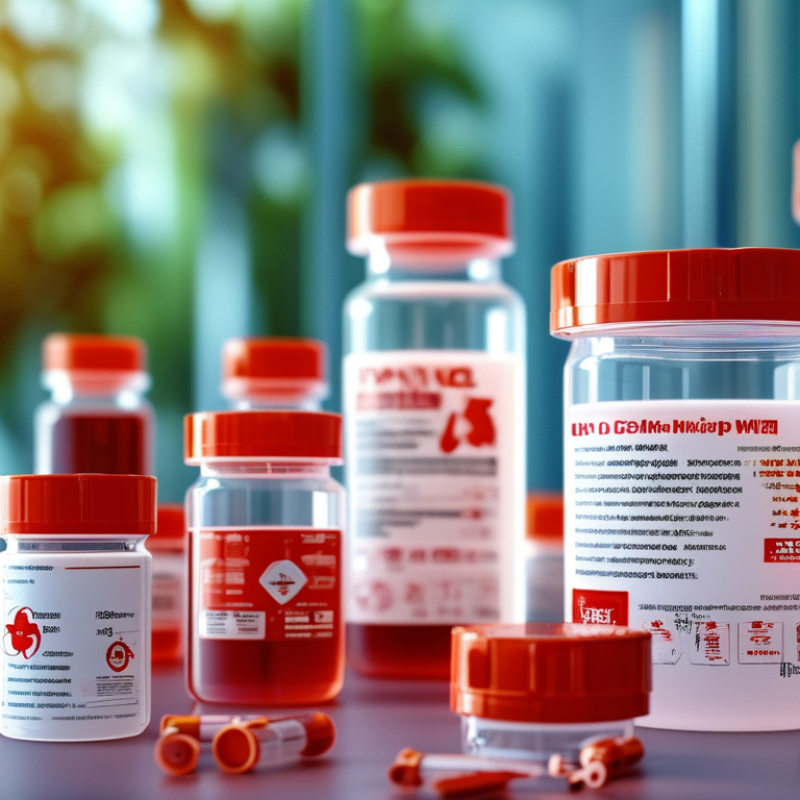
When selecting PVC blood bags, it is crucial to consider several key factors to ensure optimal performance. The bag material must demonstrate excellent biocompatibility. Studies indicate that PVC bags can maintain blood components effectively. They also minimize hemolysis rates, which is vital for patient safety. It is essential to verify the bag's composition and ensure it meets industry standards.
Another important factor is the bag's capacity. Blood bags come in various sizes, typically ranging from 100 mL to 500 mL. A comprehensive evaluation of expected blood volume is necessary. Too small a bag can lead to overflow or contamination. Conversely, larger bags may not be utilized efficiently. According to industry reports, about 25% of improperly sized bags lead to wastage.
Moreover, assess the sterility and shelf life of the products. Check for certifications that confirm adherence to safety regulations. Moreover, disposable blood bags must be strictly monitored for expiration dates. Research shows that expired bags significantly increase the risk of complications. The choice of a PVC blood bag is critical and should be made with thorough analysis. Balancing quality and cost is essential but often challenging.
Understanding the Types and Sizes of PVC Blood Bags Available
When selecting the right PVC blood bag, understanding the types and sizes available is crucial. Blood bags vary in capacity, typically ranging from 250 mL to 500 mL. Some are designed for whole blood collection, while others accommodate specific components like plasma or platelets. According to a recent industry report, hospitals often prefer bags that minimize air exposure to reduce the risk of contamination.
Tips: Assess your needs. Determine the blood volume requirements for your procedures. Consider flexibility in bag design, which can enhance storage and transportation.
Different sizes also serve various functions. For example, smaller bags are suited for pediatric patients. Larger capacities are beneficial for surgeries requiring extensive blood transfusions. Referencing industry studies, using the appropriate size consistently leads to a 30% increase in operational efficiency.
Tips: Always keep compatibility in mind. Ensure the bag type aligns with the intended procedures. Training staff on proper handling techniques can prevent mishaps. Re-evaluating your choice of blood bag regularly is essential to adapt to evolving medical needs.
The Role of Additives in PVC Blood Bag Performance and Safety
When selecting a PVC blood bag, understanding the role of additives is crucial. Additives enhance the bag's performance and ensure safety. Plasticizers, for instance, make the PVC flexible. This flexibility is vital for easy handling and storage. However, the choice of plasticizers can affect the bag’s stability over time.
Stabilizers are another type of additive that prevents degradation. They protect the PVC from harmful environmental factors like heat and light. Yet, some stabilizers may pose health risks. It is essential to choose bags with thoroughly tested stabilizers. Moreover, antioxidants are often added to prolong shelf life, but their effectiveness can vary across different products.
While additives improve functionality, they also introduce complexity. Not all additives are created equal. It's important to assess their long-term impact on blood products. Research on specific formulations can be scarce, leaving room for uncertainty. Understanding these factors will help ensure the selection of the safest and most effective PVC blood bag for medical needs.
Evaluating the Manufacturers' Compliance with Regulatory Standards
When selecting a PVC blood bag, regulatory compliance is crucial. Look for manufacturers that follow established standards for safety and quality. These standards ensure that products are reliable and effective in medical settings. It’s essential to verify if the manufacturer adheres to guidelines set by health authorities. This increases trust in their products.
Consider the certifications the manufacturer holds. ISO certifications indicate a commitment to quality management. A good track record shows their reliable manufacturing processes. However, not all manufacturers provide this information transparently. Some may claim compliance without proper documentation. Always ask for proof of their adherence to regulatory standards.
Researching the manufacturer's reputation can reveal valuable insights. Reviews from healthcare professionals may highlight any issues with products. It’s also beneficial to consult industry experts. They can provide information on compliance trends. Be aware that not every product will meet your specific needs. Understanding the nuances of regulatory standards might require time and careful evaluation. This diligence is worthwhile for safety and efficacy in medical applications.
Compliance of PVC Blood Bag Manufacturers with Regulatory Standards
Analyzing the Cost-Effectiveness of Different PVC Blood Bags on the Market
When selecting a PVC blood bag, cost-effectiveness plays a significant role. Many healthcare facilities face budget constraints. The choice of blood bag can impact both quality and expenses. A recent industry report indicates that high-quality PVC blood bags can range from $0.50 to $1.50 per bag. It's essential to weigh the initial cost against potential healthcare outcomes.
The composition of the PVC can affect the bag's performance. Some bags may reduce hemolysis, impacting blood quality. Reports show that lower-cost options may lead to higher wastage rates due to leaks or breakdowns. This can increase overall costs, making cheaper products less desirable in the long run. Data suggests that investing in a reliable blood bag can yield savings through better shelf life and fewer complications.
When evaluating options, it’s crucial to consider both direct and indirect costs. While an attractive price point might be appealing, hidden costs can accumulate. The right bag can enhance patient safety and minimize supply chain issues. Moreover, facilities must continuously assess their needs versus the evolving market landscape. Adjusting purchasing strategies can improve both patient outcomes and budget efficiencies.