How to Choose the Best PVC Sheet for Your Project?
Choosing the right PVC sheet for your project is crucial. Industry expert Dr. Sarah Mitchell emphasizes, "Selecting quality PVC sheets can make or break your project." With her years of experience, she highlights the importance of understanding the various options available.
PVC sheets come in many forms and sizes. This diversity can be overwhelming for newcomers. Consider the specific requirements of your project carefully. Thickness, color, and UV resistance are key factors to evaluate. Each project demands unique specifications, making it essential to choose wisely.
Sometimes, the right choice isn’t the most obvious one. Many might overlook durability for cost. However, compromising on quality can lead to problems down the road. It's essential to reflect on your long-term needs. Balancing cost and quality will ultimately yield the best results.
Understanding PVC Sheets: Types and Properties
PVC sheets are versatile materials widely used across various industries. Understanding the different types and properties of PVC sheets is crucial for making the right choice for your project. Generally, there are three main types: rigid, flexible, and foamed PVC sheets. Each type has unique properties tailored to specific applications. Rigid PVC sheets exhibit excellent rigidity and weather resistance, making them ideal for outdoor applications. Flexible PVC sheets are distinguished by their pliability, suitable for applications requiring bending or shaping. Foamed PVC is lightweight and offers good insulation, often used for signage and display solutions.
The properties of PVC sheets are equally important. They are known for their durability, chemical resistance, and ease of maintenance. A report from the Plastics Industry Association highlights that PVC has a lifespan exceeding 50 years under favorable conditions. Additionally, it can withstand high temperatures, which is beneficial in various applications. However, while PVC offers many advantages, it is essential to consider environmental impacts. The production process can result in emissions that are not negligible. This calls for careful sourcing and usage to mitigate potential ecological harm. Awareness of these properties aids in selecting the appropriate type of PVC sheet for your specific needs, balancing durability and environmental responsibility.
Comparison of PVC Sheets by Type and Thickness
Key Factors to Consider When Choosing PVC Sheets
When selecting the right PVC sheet for your project, consider a few key factors.
Thickness is crucial. Standard thickness ranges from 0.5 mm to 10 mm.
Thicker sheets offer better durability but may increase costs. A thinner sheet, while cheaper, may not withstand heavy-duty applications.
You need to assess the demands of your project carefully.
Another important factor is the UV resistance of the PVC. Reports indicate that UV-stabilized PVC sheets can last up to 10 years outdoors without significant degradation.
This is critical for applications exposed to sunlight. If your project is for outdoor use, prioritize sheets with high UV resistance.
Additionally, look into the sheet's chemical resistance. Certain projects, especially in industrial settings, may involve harsh chemicals.
Research shows that PVC can resist most acids and bases, but specific chemical compatibility should be verified.
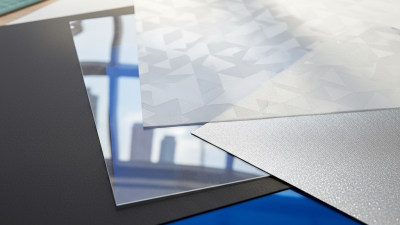
Finally, consider the surface finish. Smooth surfaces are easier to clean but may show scratches more easily.
Textured finishes can hide imperfections but are harder to sanitize. Each choice has its trade-offs, so reflect on the aesthetic
and functional needs of your project. Your decisions should align with the purpose of the PVC sheet and its expected lifespan.
Evaluating the Thickness and Durability of PVC Sheets
When choosing a PVC sheet, thickness and durability are paramount. Thicker sheets typically offer better resistance to impacts, making them suitable for high-traffic areas. For example, a 3mm PVC sheet may withstand daily use in a busy workshop, while a 1mm sheet might show signs of wear quickly. It’s essential to consider where the material will be used.
Durability is influenced by both thickness and the type of PVC used. Higher quality materials tend to resist UV rays, humidity, and temperature fluctuations. A UV-resistant PVC sheet can be ideal for outdoor applications. Some projects, like signage or display cases, may need sheets that can endure harsh environments. However, not all thicker sheets are created equal. It’s crucial to assess the manufacturer’s specifications and certifications.
Testing different materials can reveal unexpected results. A seemingly durable sheet may fail under specific conditions. It’s wise to request samples or test areas before committing fully. While thicker sheets often promise strength, the actual performance may vary. Regularly reviewing your choices can help ensure you make the right selection for your project needs.
Cost Comparison: Budgeting for Your PVC Sheet Project
When budgeting for your PVC sheet project, it's crucial to understand the
cost factors involved. According to a recent industry report, the average cost of
PVC sheets varies between $1 to $5 per square foot. However, prices can fluctuate based on
thickness, color, and quality. For example, thicker sheets, ideal for heavy-duty applications, generally command
a higher price. The end-use will determine what thickness is necessary.
Beyond the sheet cost, consider additional expenses such as
shipping and installation. These can significantly impact your total budget. Industry studies highlight that
shipping costs can add another 10-20% to your overall expenditure.
Installation fees, if hiring professionals, can range from $50 to $100 per hour. It’s often
overlooked, but assessing these added costs is vital to avoid budget overruns.
Materials should align with project goals while remaining cost-effective. While a cheaper sheet
might save money upfront, it may not withstand environmental stressors, leading to future replacements. The
decision should balance short-term savings with long-term value. A thorough cost-benefit analysis will enhance
the overall reliability of your investment. Ultimately, this approach fosters informed choices that meet your
project's requirements.
Common Applications and Uses of PVC Sheets
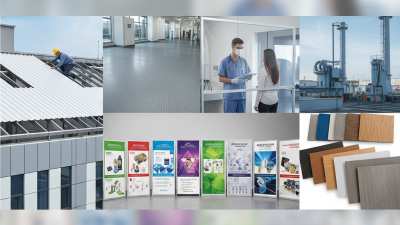
PVC sheets are incredibly versatile materials used across various industries. They are commonly found in construction, signage, and crafting. In construction, PVC sheets serve as effective barriers, providing insulation and protection against moisture. They can be cut to different sizes, making them ideal for custom projects.
In signage, their durability and weather resistance make PVC sheets perfect for outdoor displays. They come in a variety of colors and finishes, allowing for creative designs. Additionally, PVC sheets are often used in crafting. Hobbyists use them for making models, DIY projects, and decorative items. Their lightweight nature facilitates easy handling and application.
While PVC sheets offer many benefits, there are challenges to consider. They can warp or become brittle when exposed to extreme temperatures. Choosing the right thickness and type is crucial. Some may find it difficult to cut precisely or achieve a clean finish. This aspect often requires practice and patience. Understanding these nuances ensures a successful project outcome.