How to Choose the Right PVC Compound for Your Needs?
Choosing the right PVC compound is crucial for various applications. The global PVC market is expected to reach $78 billion by 2026, as reported by MarketsandMarkets. This growth highlights the increasing demand for high-quality PVC compounds in industries such as construction, automotive, and healthcare. However, not all PVC compounds are created equal.
Understanding the specific properties of PVC compounds is vital. Factors like flexibility, temperature resistance, and environmental impact play critical roles in selecting the right type. According to a recent study from Grand View Research, compound selection can influence product durability by up to 50%. Making an informed choice based on application needs is essential to success.
The choice process is often challenging due to numerous options. Many businesses may struggle to find the perfect fit, leading to potential waste or inefficiency. Consulting with experts can provide valuable insights and guide you to make better decisions. By focusing on the appropriate PVC compound, companies can enhance their products while minimizing risks associated with poor material choices.

Understanding the Basics of PVC Compounds and Their Applications
PVC compounds are versatile materials used in various applications. Understanding their properties helps in making informed decisions. They can be rigid or flexible, depending on the formulation. Rigid PVC is commonly used for pipes and fittings, providing durability and strength. Meanwhile, flexible PVC finds its application in electrical cables and flooring.
The use of additives is crucial in enhancing the performance of PVC compounds. These can include stabilizers, plasticizers, and impact modifiers. Each additive affects properties like flexibility, UV resistance, and heat stability. It’s important to reflect on how specific additives may impact your project. For instance, using too many plasticizers might weaken the compound.
When selecting a PVC compound, consider your application’s conditions. Temperature fluctuations and exposure to chemicals are factors to keep in mind. Not every PVC compound will suit every need. Conducting tests can reveal strengths and weaknesses. Make sure to gather information from multiple sources to bolster your understanding. This approach enhances your reliability in choosing the right compound.
How to Choose the Right PVC Compound for Your Needs?
| Property |
Description |
Application |
Typical Uses |
| Flexibility |
The ability to bend without breaking. |
Flexible PVC Compounds |
Hoses, cables, flexible films |
| Impact Resistance |
Resistance to shock or impact. |
High Impact PVC Compounds |
Pipes, fittings, protective equipment |
| UV Stability |
Resistance to degradation from ultraviolet light. |
UV-Stabilized PVC Compounds |
Outdoor furniture, signage, automotive parts |
| Chemical Resistance |
Ability to withstand corrosive substances. |
Chlorinated PVC Compounds |
Chemical storage tanks, pipes for hazardous materials |
| Thermal Stability |
Ability to maintain properties under temperature variations. |
Thermal Stabilized PVC Compounds |
Electrical insulation, building materials |
Key Properties of PVC Compounds That Affect Material Selection
When selecting the right PVC compound, understanding its key properties is crucial. Different applications require different qualities. Key attributes include flexibility, impact resistance, and thermal stability. Depending on your specific needs, these factors can significantly affect performance.
Flexibility is essential for applications that require bending or molding. For instance, thin films or seals benefit from more flexible compounds. In contrast, rigid forms may need a stiffer composition. Impact resistance is vital for products exposed to harsh conditions. Choosing a compound with higher durability can prevent breakage.
Tips: Always consider the intended environment. If the compound will be exposed to extreme temperatures, select materials rated for such conditions. Consult with professionals to avoid common mistakes in material selection. Don't overlook the importance of testing samples. Small variations can lead to performance issues. It’s worth spending time on trial runs to ensure the compound meets your expectations.
Evaluating the Performance Characteristics of Different PVC Grades
Selecting the right PVC compound involves understanding the performance characteristics of different grades. PVC grades vary significantly in hardness, flexibility, and durability.
For instance, rigid PVC demonstrates excellent impact resistance, making it suitable for construction applications. A study by the Plastics Industry Association indicates that rigid PVC can withstand temperatures up to 60°C, while flexible grades can handle lower temperatures, generally around -20°C.
Different applications demand specific PVC features. For example, medical devices often require high-grade flexible PVC, which meets stringent safety standards. According to a report from the European PVC Industry, flexible PVC grades used in medical applications must comply with ISO 13485 to ensure their reliability. However, some flexible compounds might exhibit plasticizer migration, affecting long-term performance.
Choosing a PVC compound also requires considering environmental factors. Certain grades are more resistant to UV light, while others may degrade faster when exposed to harsh weather. Data shows that UV-stabilized PVC can last significantly longer outdoors compared to non-stabilized versions. Noting these details can help avoid costly mistakes.
Market Trends: Demand for Specialized PVC Compounds in Various Industries
The demand for specialized PVC compounds is growing in various industries. This is largely due to advancements in technology and increasing regulatory requirements. Manufacturers are seeking materials that enhance performance and meet specific safety standards.
In the automotive sector, for instance, PVC compounds are used for interior and exterior components. They provide durability and resist environmental factors. However, the challenge lies in balancing flexibility and strength. Not all PVC compounds can achieve this. The need for custom formulations is clear.
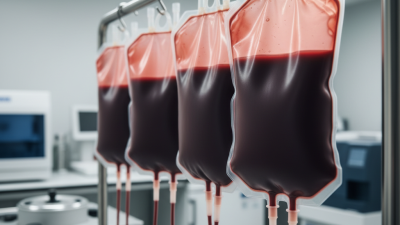
Similarly, in the healthcare industry, PVC compounds are essential for medical devices and packaging. They must meet stringent hygiene standards while being cost-effective. The variability in quality can raise concerns. Companies must carefully select suppliers with proven expertise. This ensures the material's reliability and compliance with regulations.
Guidelines for Matching PVC Compounds with Project Requirements
Choosing the right PVC compound is critical for project success. Different applications require specific properties from materials. Understanding these properties helps in making informed decisions. For instance, a report from the PVC Research Council highlights that compounds used for construction must withstand varying weather conditions.
Consider the specific requirements of your project. Are you looking for flexibility, durability, or chemical resistance? The right PVC compound will align with your needs. For example, compounds with high tensile strength are ideal for structural applications, while those that offer greater flexibility are suited for intricate designs.
Tip: Always assess the environment where the product will be used. It impacts the compound’s longevity. Make sure to test small samples before full-scale application.
Another essential factor is the processing method. Some compounds may require specific temperatures for optimal performance. Research indicates that miscalculating processing conditions can lead to product failures, which could have severe financial implications.
Tip: Engage with technical experts when in doubt. Their insights can significantly improve your project outcomes. Make careful choices and always plan for contingencies.
How to Choose the Right PVC Compound for Your Needs?
This chart illustrates the comparison of different PVC compounds based on their properties and applications. The aim is to help understand which compound might be best suited for specific project requirements.