Why is PVC Film a Top Choice for Global Suppliers?
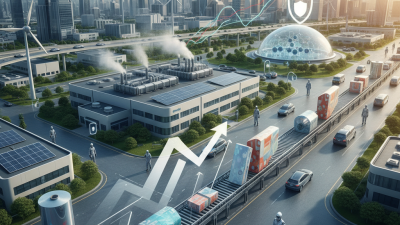
PVC Film has emerged as a leading material in various industries, thanks to its versatility and performance. A recent market analysis revealed that the global PVC film market is expected to reach an estimated value of $22 billion by 2026, growing at a CAGR of 4.5%. This growth is driven by rising demand in packaging, construction, and automotive sectors.
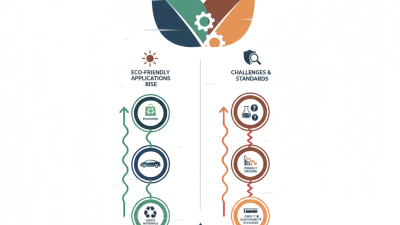
This popularity stems from PVC Film's durability and cost-effectiveness. Industries favor it for its water resistance and UV protection. According to industry reports, over 30% of suppliers prefer PVC Film due to its ability to maintain product integrity during transport. However, environmental concerns loom, creating a need for innovation in sustainable options.
While PVC Film is not without challenges, its benefits often outweigh the drawbacks. Companies must navigate the balance between performance and sustainability. The ongoing research in creating eco-friendly alternatives adds an interesting layer to this discussion. Striking this balance is crucial for the evolution of PVC Film in a global context.
What is PVC Film and Its Common Applications?
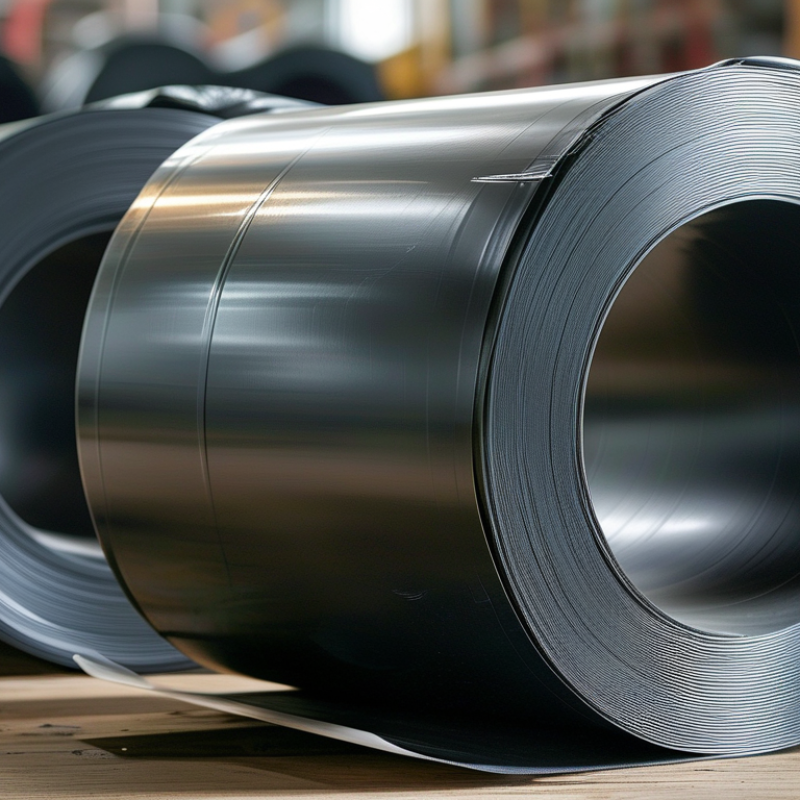
PVC film, or polyvinyl chloride film, is a versatile material widely used in various industries. It is well-known for its durability and flexibility. This material is often utilized in packaging, medical supplies, and construction. It offers an excellent barrier against moisture, gases, and even UV rays. This makes it ideal for food packaging. The ability to create thin layers means it can conform to different shapes and sizes.
In the medical field, PVC film is used for producing disposable items like blood bags and IV containers. Its biocompatibility makes it safe for direct contact with biological materials. In construction, PVC film serves as a protective barrier against water and air infiltration. It's crucial for maintaining building integrity. The adaptability of PVC allows it to be easily printed and colored, making it not only functional but also aesthetically pleasing.
Despite its many benefits, there are areas for improvement. The production process of PVC can produce harmful by-products. Furthermore, the recycling of PVC is often complicated. This creates a dilemma for manufacturers aiming for sustainability. Addressing these concerns is vital for the future use of PVC film in various applications.
Key Advantages of PVC Film Over Other Materials
PVC film stands out due to its unique properties. It offers exceptional durability and resistance to various environmental factors. This makes it ideal for packaging, insulation, and protective applications. The material maintains its integrity even under tough conditions. It is less prone to tearing compared to alternatives, which boosts its reliability.
Another advantage of PVC film is its versatility. It can easily be adapted for different uses. Whether for flexible packaging or rigid displays, PVC film can fulfill diverse needs. Its clarity and ability to hold colors are also noteworthy. Vibrant graphics and sharp details are achievable, enhancing product appeal.
However, there are considerations to keep in mind. While PVC film is a strong performer, it may not be suitable for every situation. Environmental concerns and recycling options are still areas for improvement. Suppliers must weigh the benefits against potential drawbacks. This ongoing reflection helps industries make informed choices.
Why is PVC Film a Top Choice for Global Suppliers?
Environmental Considerations in PVC Film Production
PVC film is widely chosen by global suppliers for various applications. However, the production of PVC film does raise important environmental considerations. The manufacturing process can generate harmful emissions. Companies must prioritize sustainable practices to mitigate these impacts.
One significant concern is the use of additives in PVC production. Some additives can be toxic and may leach into the environment. Implementing stricter regulations and using less harmful alternatives can help reduce risks. Suppliers should continually seek innovative ways to lower emissions during fabrication.
**Tip:** Consider sourcing PVC film that meets eco-friendly certifications. This can ensure a commitment to sustainability.
Another issue is waste management. PVC film can be difficult to recycle. Investing in recycling technologies is crucial. Suppliers need to focus on creating a closed-loop system. Products should be designed for reuse or easy recycling.
**Tip:** Evaluate your supply chain for eco-efficiency. Reducing waste at every step can make a significant difference.
Navigating the balance between production efficiency and environmental impact isn’t simple. Ongoing assessment of practices is needed. Engaging with environmental experts can guide more responsible choices in PVC film production.
Market Trends and Demand for PVC Film Worldwide
PVC film continues to gain traction as a preferred material among global suppliers. The versatility of PVC film makes it suitable for various applications across industries. In packaging, it offers excellent clarity and durability, which appeals to manufacturers. The growing demand for eco-friendly and recyclable materials has also influenced trends, pushing suppliers to adopt more sustainable practices.
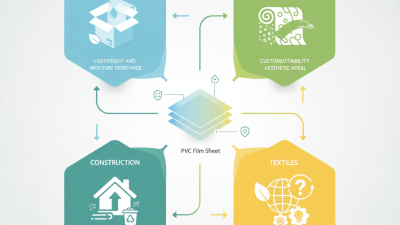
Demand for PVC film is rising due to its adaptability. Many businesses in sectors like food and textiles prefer it for its protective qualities. Flexible, moisture-resistant, and lightweight, PVC film meets diverse needs. Emerging markets in Asia and South America are driving this demand further. Innovations in manufacturing processes contribute to better quality and cost-effectiveness, attracting more suppliers.
**Tip**: Choose suppliers who prioritize sustainability. This approach not only benefits the environment but also enhances your brand image.
**Tip**: Stay updated on market trends. Understanding shifts in demand can help you make informed decisions and seize opportunities.
The reliance on PVC film presents challenges, too. Over-reliance can lead to a lack of versatility in material options. It's vital to reflect on how these choices impact your supply chain. Exploring alternative materials may sometimes yield unexpected benefits. Balancing PVC dependence with innovative solutions can strengthen your market position.
Why is PVC Film a Top Choice for Global Suppliers? - Market Trends and Demand for PVC Film Worldwide
| Region |
Market Size (USD Million) |
Growth Rate (%) |
Major Applications |
| North America |
1,200 |
5.5 |
Packaging, Construction, Automotive |
| Europe |
1,500 |
4.8 |
Medical, Electrical, Consumer Goods |
| Asia-Pacific |
1,800 |
6.2 |
Textiles, Electronics, Food Packaging |
| Latin America |
300 |
3.5 |
Agriculture, Packaging, Industrial Applications |
| Middle East & Africa |
250 |
3.0 |
Construction, Automotive, Packaging |
Future Innovations and Developments in PVC Film Technology
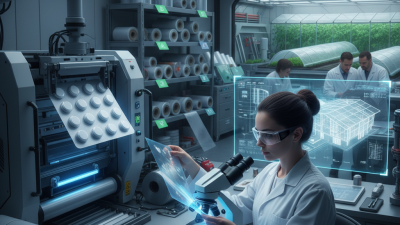
The future of PVC film technology is bright and full of potential. Innovations in material science are changing the way manufacturers approach production. For instance, researchers are developing bio-based PVC, which aims to reduce environmental impact. This could enhance the sustainability of PVC films while preserving their favorable properties.
Moreover, advances in nanotechnology are allowing for the creation of PVC films with improved barrier properties. This means better protection against moisture, gases, and other external factors. It opens new opportunities in food packaging and medical applications. However, challenges remain in scaling these technologies for widespread use.
The industry must also address the recyclability of PVC films. As regulations tighten, companies face pressure to find eco-friendly solutions. Developing efficient recycling processes will be crucial in paving the way for a more sustainable future. Despite these hurdles, the potential for PVC films to evolve and adapt is tremendous. Those involved must continuously seek innovative ways to improve and innovate.