Top 10 PVC Blood Bags for Global Procurement Needs?
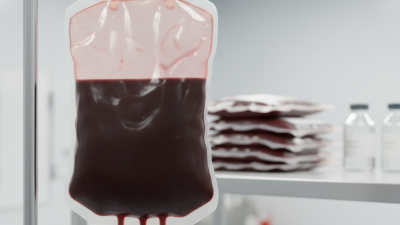
The global healthcare industry is increasingly reliant on high-quality PVC blood bags. These bags are crucial for safe blood storage and transportation. According to recent industry reports, the demand for PVC blood bags is expected to grow at a CAGR of 5% from 2023 to 2030. This growth is driven by the rising need for blood transfusions and surgical procedures worldwide.
PVC blood bags provide durability and flexibility. They are designed to minimize contamination and enhance shelf-life. However, challenges persist in ensuring quality and regulatory compliance. A significant percentage of healthcare facilities still encounter issues with the sourcing of reliable PVC blood bags. This raises questions about the procurement process and vendor reliability.
To address these challenges, understanding the top PVC blood bags available is essential. Identifying the leading products can guide healthcare providers to make informed decisions. It is vital to focus on those that offer the best safety standards. The choice of optimal PVC blood bags can impact patient outcomes significantly. Therefore, a closer inspection of the market is warranted to ensure compliance and efficacy.
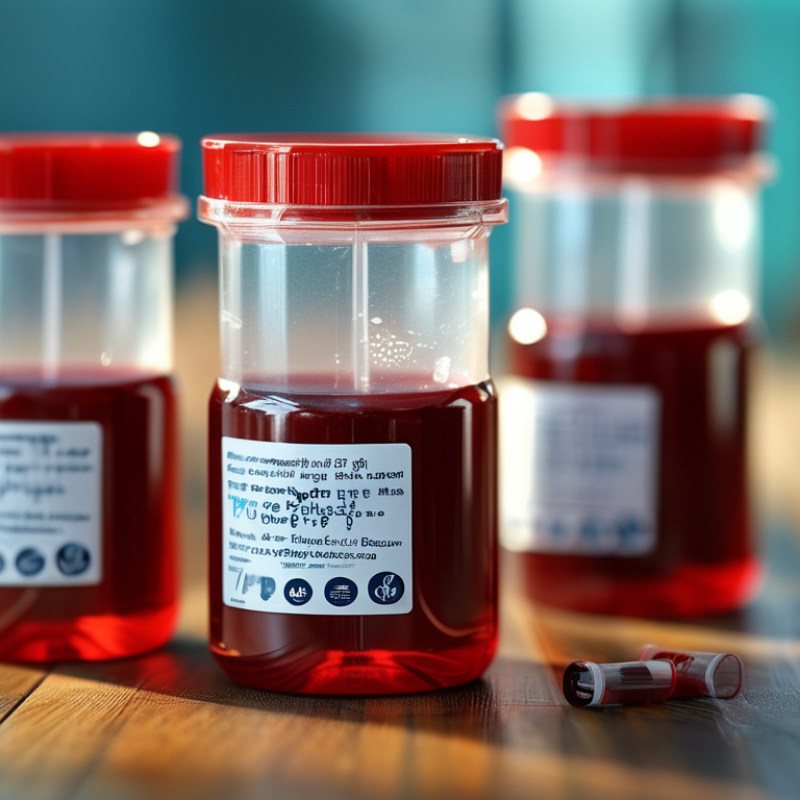
Understanding PVC Blood Bags: Composition and Benefits
PVC blood bags play a crucial role in the healthcare industry. Made from polyvinyl chloride, these bags are designed to safely store and transport blood. One important consideration is their flexibility. This feature allows for easy handling and maneuverability during medical procedures.
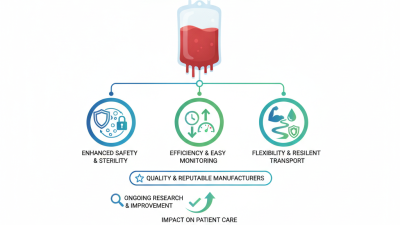
The composition of PVC contributes to its durability and resistance to punctures. Additionally, PVC bags can withstand a range of temperatures, making them suitable for various storage conditions. However, there are concerns regarding the long-term effects of some plasticizers used in PVC. Research is ongoing to ensure patient safety while maintaining the bags' effectiveness.
Not all PVC blood bags are created equal. It’s essential to evaluate their material quality and compatibility with blood components. Each product must undergo rigorous testing to meet regulations. This often raises questions about consistent quality control in manufacturing practices. As the healthcare sector evolves, the demand for innovative solutions in blood storage continues to grow.
Key Manufacturers in the Global PVC Blood Bag Market
The global PVC blood bag market is essential for healthcare providers. Many manufacturers play crucial roles in meeting the growing demand for safe blood storage solutions. Their products ensure that blood maintains quality and integrity, which is vital for transfusions.
Key manufacturers focus on innovation and quality control. They prioritize the use of high-grade materials to minimize contamination risks. These manufacturers often face challenges such as fluctuating raw material prices and regulatory compliance. Adapting to these issues is important for maintaining product reliability.
The competitive landscape is constantly evolving. New players may enter the market, bringing fresh ideas. However, established companies often set the standard. Understanding these dynamics helps healthcare professionals make informed procurement decisions, balancing cost and quality effectively.
Top 10 PVC Blood Bags for Global Procurement Needs
| Bag Volume (ml) |
Material Type |
Filtration Feature |
Sterilization Method |
Shelf Life (Years) |
| 450 |
PVC |
Yes |
Gamma Radiation |
5 |
| 500 |
PVC |
No |
Ethylene Oxide |
3 |
| 350 |
PVC |
Yes |
Gamma Radiation |
4 |
| 600 |
PVC |
No |
Ethylene Oxide |
2 |
| 300 |
PVC |
Yes |
Gamma Radiation |
5 |
| 450 |
PVC |
No |
Ethylene Oxide |
3 |
| 500 |
PVC |
Yes |
Gamma Radiation |
4 |
| 350 |
PVC |
No |
Ethylene Oxide |
2 |
| 600 |
PVC |
Yes |
Gamma Radiation |
5 |
| 450 |
PVC |
No |
Ethylene Oxide |
3 |
Top Features to Consider When Selecting PVC Blood Bags
When selecting PVC blood bags, several features warrant careful consideration. The material itself is crucial. PVC, or polyvinyl chloride, is commonly used due to its clarity and flexibility. It is essential for maintaining the sterility of blood products during storage and transportation. According to a recent report by the Global Health Supply Chain, over 70% of blood bags in use are made from PVC, highlighting their prevalence in medical settings.
Another important feature is the bag's capacity. Blood bags typically range from 150ml to 500ml. The choice often depends on the intended use, such as whole blood transfusions or component separation. Equally critical is the bag’s compatibility with different blood types and additives. Reports indicate that approximately 15% of blood transfusion errors arise from incompatibility. Selecting bags that mitigate these risks enhances safety and efficacy.
Quality control standards are also paramount. Blood bags must comply with ISO regulations and undergo rigorous testing before distribution. In fact, over 40% of hospitals conduct internal quality checks on blood products to ensure compliance. Despite these measures, occasional defects still occur, due to manufacturing inconsistencies. Evaluating vendors on these metrics can significantly improve procurement decisions and patient outcomes.
Quality Standards and Regulations for PVC Blood Bags
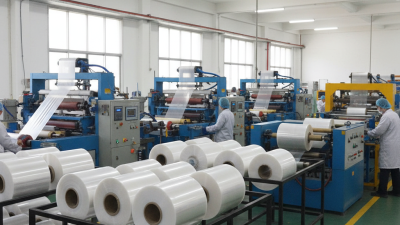
When it comes to PVC blood bags, adherence to quality standards is crucial. These bags must meet specific regulations to ensure patient safety. The manufacturing process involves strict quality control measures. Testing for leak resistance and durability is essential. Everyone involved in the process must understand the importance of these standards.
Compliance with international guidelines forms the backbone of PVC blood bag production. Various entities outline these guidelines to maintain safety. Certifications play a critical role in establishing trust. However, inconsistencies can arise in the application of these standards. Facilities may overlook minor details, which can jeopardize quality. Workers must be trained to recognize these issues and act accordingly.
Healthcare providers often face the challenge of choosing the right blood bag. Lack of awareness about the standards can lead to poor procurement decisions. Regular audits and staff education are necessary to empower decision-makers. Ultimately, this reflects the need for ongoing commitment to quality in medical supplies.
Innovative Trends Shaping the Future of PVC Blood Bags
The future of PVC blood bags is being shaped by innovative trends that prioritize safety and sustainability. Recent advancements focus on reducing the risk of contamination during storage. Improved sealing technologies and enhanced material integrity are crucial. It's important for manufacturers to adopt these innovations to maintain product quality.
Tips: Regularly assess the integrity of blood bags during storage. Check for leaks and signs of wear.
Another key trend is the shift towards biocompatible materials. Researchers are exploring alternatives that can reduce the environmental impact while ensuring patient safety. This transition is not without challenges, as new materials must meet stringent regulatory standards. Maintaining compliance is essential for market success.
Tips: Engage with regulatory bodies early in the development process. This can prevent costly delays later.
Overall, the evolution of PVC blood bags is promising. However, manufacturers must remain vigilant. Balancing innovation with compliance is a complex task. As the market grows, so does the responsibility to ensure safe and effective medical solutions.