Leave Your Message

2026 Top PVC Roll Types for Global Buyers

The 2026 PVC Roll market is becoming more specialized, but product names alone cannot guide a reliable purchase. Global buyers must examine structure, thickness, surface finish, flexibility, and intended service conditions. A transparent PVC Roll may suit retail curtains, while a reinforced or coated roll may perform better in industrial partitions, truck covers, or protective barriers. Small differences matter. A 0.2-millimeter variation can affect handling, welding, and installation costs.

Dr. George Wypych, a recognized PVC materials specialist and author, has stated, “PVC performance depends on formulation, processing, and service conditions.” This principle remains highly relevant when comparing flexible, rigid, calendared, embossed, printed, anti-slip, and high-transparency PVC Roll types. Buyers should also review tensile strength, tear resistance, temperature range, odor, color stability, and available technical documentation. Certificates may support a decision, but they do not replace practical testing. Requesting samples can reveal curling, uneven gloss, surface marks, or unexpected stiffness before a large shipment is approved.

The most suitable PVC Roll is not always the cheapest option. Nor is the thickest roll automatically the strongest. That assumption deserves reconsideration. Climate, storage time, packing method, and installation tools can change real-world performance. This guide compares leading PVC Roll categories for 2026, using application evidence, manufacturing experience, and buyer-focused evaluation criteria. Some recommendations remain conditional. That is realistic. Product quality depends on both material design and disciplined supplier verification.

2026 Top PVC Roll Types for Global Buyers

PVC Roll Basics and Classification Criteria for Global Buyers

2026 Top PVC Roll Types for Global Buyers

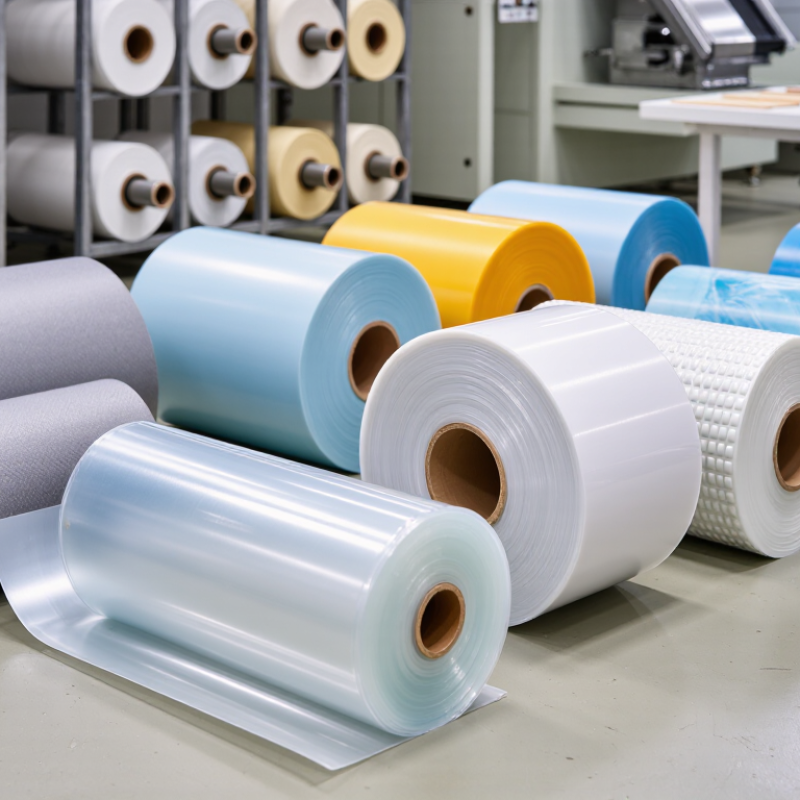
PVC rolls are continuous sheets wound around a core for storage and transport. Their performance depends on formulation, processing, thickness, and surface treatment. Flexible PVC rolls contain plasticizers and bend easily around a carton edge. Rigid PVC rolls resist bending and suit protective covers, panels, and formed parts. Some rolls are transparent, while others are colored, printed, embossed, or coated.

Global buyers should classify PVC rolls by material behavior, not appearance alone. Check thickness tolerance, roll width, winding tightness, surface finish, and core size. A 0.5 mm roll may feel strong, yet poor winding can create wrinkles during installation. Ask for tensile strength, elongation, hardness, temperature range, and chemical resistance data. For sensitive applications, review plasticizer migration and odor results. Clear rolls need haze and light-transmission measurements.

A practical inspection begins with a small sample. Measure several points across the width, not just the center. Look for pinholes, bubbles, edge cracks, and uneven embossing under steady light. I still recheck packaging after testing, because moisture and heat can change the roll’s condition. A tidy label is not enough. Buyers should also confirm production date, batch traceability, test methods, and applicable destination requirements. Classification can remain imperfect when suppliers use different technical terms, so written specifications matter more than sales descriptions.

Key PVC Roll Types and Their Main Industrial Uses

PVC rolls serve different industrial needs, and the material choice should match the working environment. Soft PVC rolls are flexible and commonly used for warehouse strip curtains, protective covers, floor protection, and temporary partitions. Clear grades improve visibility between production areas. Opaque rolls provide privacy and light control. Thickness affects handling, durability, and installation effort.

Rigid PVC rolls or semi-rigid sheets support applications requiring stronger shape retention. Fabric-reinforced PVC rolls are widely used for truck covers, industrial curtains, inflatable structures, and outdoor enclosures. Their polyester mesh improves tear resistance, while surface coatings help resist moisture and abrasion. Printed and embossed PVC rolls are useful for packaging surfaces, signage, decorative panels, and product identification. Anti-static grades can support controlled industrial areas, but buyers should verify test data before specifying them.

Performance depends on more than appearance. Measure thickness, roll width, tensile strength, welding compatibility, temperature range, and surface finish. A clear roll may look suitable, yet become brittle in cold storage. A heavy roll may last longer, but complicate installation and increase transport costs. That trade-off deserves attention. Ask for technical sheets, sample testing, and batch consistency records. Check whether the intended use involves food contact, outdoor exposure, oil, chemicals, or repeated cleaning. Requirements differ by market and application, so independent compliance review remains important.

How to Compare PVC Roll Materials, Sizes, and Performance

Buying PVC rolls in 2026 requires more than comparing price per kilogram. The useful test is matching material, size, and performance to the finished application. Calendered PVC usually offers stable thickness and efficient high-volume production. Cast PVC is often thinner, clearer, and less likely to shrink during printing. PVC-coated fabric adds tear resistance for covers, banners, and flexible structures.

According to PlasticsEurope’s Plastics—The Fast Facts 2024, Europe produced 54.6 million tonnes of plastics in 2023. PVC represented about 9.6% of that output. That scale supports broad supply, but it does not guarantee equal quality. Ask for thickness tolerance, roll width, core diameter, and net weight. Then verify tensile strength, elongation, tear resistance, haze, and dimensional shrinkage. ASTM D882, ASTM D1004, and accelerated-weathering methods can make supplier claims comparable. Real exposure still differs. VinylPlus reported 810,775 tonnes of PVC recycled in Europe during 2023, showing progress, not a complete circular solution. Recycled content can alter color, weldability, or surface finish.

Tips: Use a simple comparison sheet. Record measured values against the promised range. A cheap roll that curls beside a heat lamp is not cheap. I would not approve a roll from a datasheet alone. Request a retained sample and inspect it after printing, welding, or outdoor aging.

2026 Top PVC Roll Types for Global Buyers

How to compare PVC roll materials, sizes, and performance using representative industry specifications.

Tensile strength and elongation values are representative typical specifications for unreinforced PVC roll materials. Actual results vary by formulation, plasticizer content, reinforcement, thickness, and test method. Always confirm the supplier’s technical data sheet before purchasing.

Regional Standards, Compliance, and Sustainability Requirements in 2026

2026 Top PVC Roll Types for Global Buyers

Regional compliance now shapes every PVC roll purchase. Flexible rolls suit curtains, covers, and printed surfaces. Rigid rolls support partitions, packaging, and technical panels. Buyers should match each type with its final use, not only its thickness or price.

In the European Union, REACH controls substances of concern, while RoHS applies to electrical and electronic products. Food-contact rolls may require migration testing under Regulation (EU) No 10/2011. In the United States, applicable food-contact rules and state chemical disclosure requirements can differ. Ask for batch traceability, test dates, and the exact product scope. A generic compliance certificate is not enough.

Sustainability evidence also needs careful checking. The OECD Global Plastics Outlook reported 353 million tonnes of plastic waste in 2019, with only 9% recycled. PVC buyers should request recycled-content verification, plasticizer information, and end-of-life guidance. The United Nations Environment Programme estimates plastic pollution could fall by 80% by 2040 through reuse, recycling, and material reduction. That target is ambitious. PVC roll recycling remains technically difficult when coatings, adhesives, pigments, or mixed polymers are present. I have seen attractive “eco” claims fail under basic documentation checks. Suppliers should disclose roll weight, composition, recycled percentage, and test standards clearly. Thin rolls may reduce material use, but premature tearing can increase waste.

Selecting the Right PVC Roll for Different Purchasing Needs

Selecting the right PVC roll starts with the buyer’s application, not the lowest quotation. Flexible PVC film suits curtains, packaging, and protective covers. Rigid PVC rolls offer better dimensional stability for panels and formed parts. Transparent rolls improve visibility, while embossed surfaces can add grip or visual texture.

According to Grand View Research, the global PVC market was valued at about USD 45 billion in 2023. PlasticsEurope reported global plastics production of 413.8 million tonnes that year. These figures show strong demand, but they do not make every PVC roll suitable. I would check thickness tolerance, roll width, tensile strength, surface finish, and temperature performance. A cheaper roll can become the expensive choice after wrinkles, trimming losses, or early replacement. That risk is easy to underestimate.

Tips: Match flexible grades with bending needs. Choose reinforced rolls for repeated handling. Request test samples before bulk purchasing. Confirm safety documentation and production consistency. Ask for data on plasticizer migration when the roll touches sensitive goods. Do not rely on thickness alone. A recent purchase can still reveal weak points, especially when storage conditions differ between regions.

2026 Top PVC Roll Types for Global Buyers - Selecting the Right PVC Roll for Different Purchasing Needs
PVC Roll Type Typical Thickness Typical Width Key Performance Characteristics Common Applications Main Purchasing Advantage Important Buying Checks Best Fit
Flexible PVC Film Roll Approximately 0.05–0.50 mm Commonly 1.0–2.2 m; custom widths may be available Soft, bendable and easy to die-cut or heat-seal. Plasticizer content strongly affects flexibility, tensile behavior and low-temperature performance. Packaging covers, stationery, labels, protective sheets, inflatable products and general converting. Efficient for high-volume converting and lightweight products requiring good drape. Confirm plasticizer type, migration limits, transparency, surface treatment, roll winding and applicable food-contact requirements. High-volume film use
Clear PVC Roll Approximately 0.10–1.00 mm Commonly 1.0–2.0 m High visual transparency when properly formulated and processed; can provide visibility, moisture resistance and easy fabrication. Curtain panels, document pockets, packaging windows, table covers, display products and protective barriers. Suitable where product visibility is important without using rigid sheet stock. Check haze, clarity, gel count, surface scratches, thickness tolerance, blocking resistance and UV-stability requirements. Visibility Display
Transparent PVC Strip Curtain Roll Approximately 1.0–4.0 mm Usually supplied as wide master rolls for strip cutting Flexible, transparent and resistant to drafts, dust and splashing. Different formulations are used for cold-room and general industrial conditions. Cold rooms, warehouses, loading bays, food-processing areas and internal industrial partitions. Allows personnel and equipment movement while helping separate working zones. Verify operating temperature, cold flexibility, tear strength, weld quality, optical clarity and compliance with hygiene requirements. Industrial separation
PVC Tarpaulin Roll Approximately 0.30–1.00 mm Commonly 1.5–3.2 m Usually a PVC-coated polyester fabric with improved tear strength, tensile strength and weather resistance compared with unsupported film. Truck covers, tents, awnings, outdoor covers, temporary structures and agricultural protection. Provides a strong, weldable and printable coated fabric for outdoor products. Check fabric denier, coating weight, tensile and tear values, welding method, UV resistance, flame-retardant rating and roll length. Outdoor covers Heavy duty
PVC Coated Polyester Roll Approximately 0.35–1.20 mm Commonly 1.5–3.2 m Reinforced construction combines a polyester scrim with PVC coating. Performance depends on yarn strength, weave, coating mass and finishing. Industrial curtains, banners, inflatable structures, truck side curtains, shelters and architectural membranes. Better dimensional stability and mechanical strength than unsupported flexible PVC film. Confirm base fabric construction, coating adhesion, peel strength, seam compatibility, surface finish and fire-performance documentation. Reinforced products
PVC Flooring Roll Approximately 1.5–3.5 mm total thickness Commonly 1.5–4.0 m Designed for abrasion resistance, dimensional stability and cleanability. Homogeneous and heterogeneous constructions have different wear-layer designs. Healthcare, education, retail, offices, hospitality, transport interiors and residential floors. Large-format installation can reduce seams and support consistent decorative appearance. Check wear layer, residual indentation, slip resistance, fire classification, indoor-air emissions, chemical resistance and installation method. Interior flooring
Anti-Slip PVC Floor Roll Approximately 1.5–3.0 mm total thickness Commonly 1.8–2.0 m Embossed or particle-enhanced surface improves underfoot traction. Slip performance varies with test method, contamination and maintenance conditions. Wet rooms, workshops, commercial kitchens, laboratories, utility areas and public circulation zones. Helps address areas where traction and cleanability are purchasing priorities. Request the applicable slip-test result, wear resistance, drainage or cleaning suitability, chemical resistance and seam-welding guidance. Wet or busy areas
PVC Wall Covering Roll Approximately 0.8–2.0 mm Commonly 1.0–2.0 m Provides a washable decorative surface with resistance to moisture and routine impact. Some constructions include a printed layer and protective coating. Healthcare rooms, corridors, hospitality interiors, kitchens, cleanable commercial spaces and feature walls. Useful for projects requiring coordinated color, pattern and easy-maintenance surfaces. Check surface cleanability, stain resistance, fire behavior, impact resistance, color consistency and adhesive compatibility. Decorative interiors
Self-Adhesive PVC Vinyl Roll Approximately 0.07–0.20 mm face film, excluding liner Commonly 1.0–1.5 m PVC face film is supplied with a pressure-sensitive adhesive and release liner. Adhesion depends on surface energy, temperature, cleanliness and dwell time. Sign graphics, labels, decorative wrapping, temporary markings and surface decoration. Simplifies installation by combining the face material, adhesive and liner in one converting format. Confirm adhesive permanence, initial tack, removability, outdoor durability, liner release, print compatibility and application temperature. Graphics Labels
PVC Electrical Insulation Roll Approximately 0.10–0.25 mm for tape-style products Often supplied in narrow slit rolls; master-roll width varies Requires controlled electrical insulation performance, conformability and flame behavior appropriate to the intended product design. Electrical tape, wire and cable accessories, harness protection and insulating components. Supports consistent slitting and converting when dielectric and mechanical properties are tightly controlled. Specify dielectric strength, volume resistivity, elongation, tensile strength, flame rating, adhesive system and relevant electrical standards. Electrical use
Medical-Grade PVC Film Roll Approximately 0.10–1.00 mm, depending on device design Commonly 0.5–2.0 m Formulated for controlled cleanliness, flexibility, transparency and sealing. Requirements depend on the finished medical device and market regulations. Fluid bags, tubing-related components, protective medical packaging and disposable device assemblies. Appropriate for controlled applications when supported by traceability and documented regulatory controls. Verify biocompatibility, extractables, sterilization compatibility, plasticizer system, particulate control, lot traceability and regulatory documentation. Regulated products
PVC Heat-Shrink Film Roll Approximately 0.03–0.10 mm Commonly 0.2–1.0 m in converted roll form Shrinks when heated within a specified process window. Shrink ratio and shrink force depend on formulation, orientation and processing conditions. Product sleeves, tamper-evident bands, packaging labels and multipack wrapping. Supports neat, conforming packaging around irregular shapes after controlled heating. Check shrinkage percentage, shrink direction, shrink force, sealing performance, printability, haze and processing temperature. Packaging
PVC Foam Board Lamination Roll Flexible laminate layer typically approximately 0.10–0.50 mm Commonly 1.0–2.0 m Decorative or protective PVC film designed for lamination onto rigid or semi-rigid substrates; surface finish and adhesion are application-specific. Furniture panels, interior boards, cabinetry, displays, doors and decorative construction products. Enables repeatable color, texture and protective finish across panel production. Verify substrate compatibility, lamination temperature, peel strength, emboss depth, surface hardness, color matching and batch consistency. Panel finishing

Note: Thicknesses and widths shown are common industry ranges for purchasing comparison only. Actual specifications vary by construction, formulation, production process, regulatory market and end-use requirements. Buyers should approve a technical data sheet and production sample before placing a volume order.