Choosing the right Pvc Blood Bag supplier requires more than comparing prices or reviewing attractive brochures. The decision affects blood safety, storage performance, staff efficiency, and patient care. A dependable supplier should demonstrate relevant manufacturing experience, qualified personnel, and consistent quality controls. Ask how the PVC material is selected, tested, and monitored throughout production. Clear answers matter.
Look for documented systems, such as ISO 13485 certification, validated sterilization processes, batch traceability, and controlled manufacturing environments. Request representative samples and inspect the tubing, ports, labels, seals, and protective packaging. Small details often reveal larger quality issues. The bag should remain flexible during handling and maintain reliable seals under expected storage conditions. Supplier testing should cover leakage, sterility, biocompatibility, and product integrity, according to applicable standards and regional requirements.
Do not rely on claims alone. Review audit records, certificates, technical files, and change-control procedures. Speak with existing customers when possible. Ask how the supplier responds to complaints, delivery disruptions, and unexpected quality findings. A professional partner should provide transparent communication and practical corrective actions. Supply capacity also deserves attention, especially during seasonal demand or emergency orders.
No checklist is perfect. Even experienced purchasing teams can overlook communication delays or weak backup plans. Therefore, evaluate the supplier through samples, technical discussions, and a structured qualification process. The best choice is not always the cheapest offer. It is the partner that consistently protects product quality, supports compliance, and earns trust over time.

Before comparing PVC blood bag suppliers, define the clinical task precisely. Whole-blood collection, component separation, platelet storage, and pediatric transfusion require different configurations. Your requirement should state bag volume, anticoagulant, number of chambers, tubing length, needle gauge, sampling pouch, and labeling method.
The World Health Organization reported approximately 118.5 million blood donations globally in 2021, showing the scale of systems that depend on consistent collection equipment.
Clinical use changes the material decision. A bag for red-cell storage may face refrigeration, centrifugation, and long transport. A platelet system may require different gas exchange and agitation performance. Specify storage temperature, maximum duration, centrifuge settings, and connection requirements before requesting quotations.
ISO 3826 provides recognized requirements for single-use plastic containers for human blood and blood components. Still, compliance alone does not prove suitability for your workflow.
Ask suppliers for sterilization validation, biocompatibility evidence, extractables data, seal strength, leak testing, and lot traceability. Request test results under your actual temperature and transport conditions.
The U.S. FDA also emphasizes container-closure integrity and material safety for blood collection systems. Do not overlook PVC formulation details, including plasticizer selection and documented change control.
A specification can appear complete yet miss a small tubing mismatch. That mistake can disrupt an entire processing line. Pilot testing is wiser than relying on a polished datasheet.
Review the results with transfusion specialists, laboratory staff, and quality personnel before approval.
How to Choose the Right PVC Blood Bag Supplier?
Verify Supplier Certifications, Quality Systems, and Regulatory Compliance
A reliable PVC blood bag supplier should provide current certification documents, not scanned certificates without context. Check the certificate scope, facility address, issue date, and expiration date. The scope should cover medical devices and relevant manufacturing activities. ISO 13485 certification is useful, but it does not replace local regulatory approval. Requirements differ between markets.
Ask how the supplier controls raw PVC materials, plasticizers, tubing, ports, and anticoagulant compatibility. Request batch records, material traceability, and sterilization validation summaries. A strong quality system should include documented change control, complaint handling, CAPA, and internal audits. During a site audit, inspect clean areas, sealing equipment, packaging lines, and storage conditions. Look for visible dust, damaged cartons, or unclear labels. Small details matter.
Product testing should match the bag’s intended use. Ask for evidence of leak testing, seal strength, sterility, biocompatibility, and shelf-life studies. Review how samples are retained and how test failures are investigated. Paperwork can look convincing. It can still hide weak daily controls. I have learned that a polished audit presentation is not enough. Ask difficult questions, then compare answers with records. A supplier that answers slowly may simply be careful, but unexplained gaps deserve attention. Before approval, document every finding and require corrective actions with clear deadlines.
How to Choose the Right PVC Blood Bag Supplier?
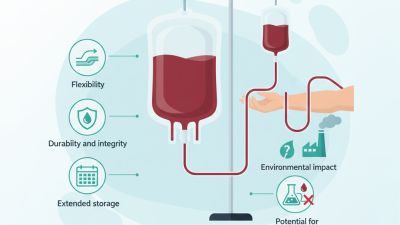
A reliable evaluation starts with the PVC material, not the catalog photograph. Ask whether the polymer is medical-grade and suitable for blood storage. Request material specifications, test reports, and lot traceability records. The bag should remain flexible without feeling thin or brittle. Check clarity, weld strength, and resistance to leakage during handling. Small details matter.
Design features should match daily workflow. Inspect tubing length, port placement, needle protection, sampling options, and label space. A well-positioned port can reduce handling errors. Smooth seams support safer inspection. Clear graduations help staff measure collection volume. Ask how the supplier validates sterility, seal integrity, and storage performance. Do not accept vague answers. Practical evidence is stronger than polished sales language.
Customization can improve efficiency, but unnecessary changes may create new risks. Discuss bag volume, anticoagulant configuration, tubing sets, labels, packaging, and connector types. Request a representative sample before approving production. Test it with real equipment and normal handling steps. It may reveal awkward tubing or unreadable markings. That is useful.
No checklist is perfect. Supplier experience also matters. A capable technical team should explain design limits, document changes, and respond consistently to quality questions. Review complaint handling and corrective-action records when available. A lower price may look attractive, yet inconsistent materials can increase waste and inspection time. Choose the supplier that offers clear evidence, practical customization, and dependable communication throughout the product lifecycle.
Use this neutral procurement framework to compare PVC blood bag suppliers across material safety, design performance, customization, regulatory compliance, and supply reliability.
The percentages represent an illustrative evaluation model rather than company or brand performance data. Confirm PVC formulation, plasticizer selection, biocompatibility, leakage resistance, sterile-barrier integrity, and applicable requirements such as ISO 3826 during qualification.
How to Choose the Right PVC Blood Bag Supplier?
Manufacturing capacity should mean more than a large factory. Ask for validated monthly output, backup equipment, trained operators, and lot traceability. The WHO Global Status Report on Blood Safety and Availability recorded 118.5 million blood donations in 2019. Demand can shift quickly. A supplier should explain how it handles urgent volume increases without weakening inspection controls. Request recent records for seal strength, leakage, sterility, endotoxin, and anticoagulant-volume testing. ISO 3826 alignment matters, but regional requirements still need separate review.
Tips: Compare three quotations using total cost, not unit price alone. Include tooling, samples, testing, freight, storage, and rejected batches. A cheaper bag may become expensive after delayed release. I would also request a sample batch and observe the packaging area. Small details matter. Check cleanroom monitoring, barcode accuracy, and temperature records. Some suppliers present impressive certificates, yet provide weak batch evidence. That should invite careful questions.
Lead time should be measured from purchase order to released goods. Separate prototype timing, validation timing, and routine production timing. Ask for written milestones, including raw-material approval and final inspection. Industry delays often begin before manufacturing, especially with imported medical-grade PVC. Keep a buffer for testing and customs clearance. A supplier promising ten days may be less reliable than one offering twenty-five days with documented controls. Pricing, capacity, testing, and delivery must be judged together. The decision is rarely perfect. It should be defensible.
How to Choose the Right PVC Blood Bag Supplier?
A reliable PVC blood bag supplier should provide more than attractive pricing. Review production history, delivery consistency, and quality performance over several years. Ask how the supplier handles raw material shortages, equipment failures, and urgent orders. Practical evidence matters. Request customer references, audit records, and measurable on-time delivery data. A polished presentation is not proof of stable operations.
Documentation should be complete, current, and easy to verify. Check applicable quality certifications, material specifications, certificates of analysis, biocompatibility data, and sterilization validation records. Traceability should connect each bag to its materials, production batch, inspection results, and release decision. Change-control procedures also deserve close attention. A quiet material change can affect flexibility, sealing, or storage performance. Never accept vague answers. However, documentation alone is insufficient.
Service reveals the supplier’s real working habits. Test response times before signing a contract. Ask who handles technical questions, complaints, deviations, and corrective actions. Clear escalation procedures reduce delays during investigations. Long-term support should include demand planning, capacity reviews, replacement samples, and continuity plans. The supplier should discuss future tooling, packaging, and regulatory updates openly. No supplier is flawless. That is normal. The important question is whether problems are reported early and corrected properly. A missed call may seem minor, but repeated silence can disrupt clinical supply and damage trust.
| Assessment Dimension | What to Verify | Objective Evidence to Request | Practical Review Benchmark | Warning Signals |
|---|---|---|---|---|
| Regulatory and Quality-System Compliance | Whether the supplier operates a controlled medical-device quality system suitable for blood-contacting products. | Current ISO 13485 certificate, applicable regulatory registrations, audit history, scope of certification, and documented change-control procedures. | Certificate scope should explicitly cover the relevant blood-bag or sterile medical-device manufacturing activities and remain valid at the time of approval. | Expired certificates, unclear certificate scope, repeated major audit findings, or refusal to provide controlled quality documents. |
| Product Standard Alignment | Conformity of the PVC blood bag design, materials, performance, and labeling with applicable requirements. | Test reports and technical files referencing ISO 3826-1 or the applicable national or regional standard, together with product specifications and drawings. | The selected configuration, capacity, tubing, ports, anticoagulant solution, and intended use should all be covered by the submitted technical evidence. | Generic certificates that do not identify the product configuration, unexplained specification differences, or missing traceability between tests and production lots. |
| Material Safety and Biocompatibility | Safety of PVC, plasticizers, additives, adhesives, tubing, ports, and other patient-contacting materials. | Material composition declarations, supplier certificates for raw materials, extractables or leachables assessment where applicable, and a biocompatibility evaluation based on ISO 10993 principles. | Material specifications should be controlled, consistent across lots, and supported by a documented biological-safety rationale for the intended contact type and duration. | Undisclosed plasticizers, uncontrolled material substitutions, incomplete biological evaluation, or test reports for a different formulation. |
| Sterilization and Sterility Assurance | Whether the sterilization process is validated, routinely monitored, and suitable for the complete bag assembly. | Sterilization validation summary, process parameters, dose or cycle records, bioburden data, packaging compatibility data, and sterility-related release procedures. | For radiation sterilization, evidence should be consistent with ISO 11137 principles; the validated process must cover the actual product, packaging, and production range. | Only a sterilization certificate without validation evidence, unexplained dose or cycle changes, or frequent sterility complaints. |
| Leak, Seal, and Functional Performance | Integrity of seals, tubing, ports, needle assemblies, clamps, and the finished bag during storage and use. | Validated test methods and records for leak resistance, seal strength, connection integrity, burst or pressure performance, visual defects, and component functionality. | Acceptance criteria should be defined before qualification and applied consistently to every production lot, with retained samples and complete batch records. | No lot-release criteria, inconsistent test methods, high rates of seal defects, or inability to link test results to a specific batch. |
| Documentation and Traceability | Ability to trace finished bags to raw materials, production equipment, operators, sterilization, inspection, and shipment. | Certificate of analysis or conformity, batch manufacturing record, lot coding system, retention-sample policy, complaint records, and change-notification procedure. | Each shipment should have a unique lot identifier and supporting release documentation that matches the product, quantity, specification, and sterilization status. | Mismatched lot numbers, incomplete certificates, undocumented rework, or no formal process for notifying customers of changes. |
| Supply Capacity and Delivery Reliability | Whether the supplier can maintain consistent supply during demand changes, raw-material shortages, or equipment downtime. | Capacity statement, production lead-time history, forecast and order-commitment process, business-continuity plan, critical raw-material controls, and on-time-delivery records. | A qualified supplier should provide documented lead times, communicate delays promptly, and demonstrate contingency arrangements for critical processes and materials. | Repeated unannounced delays, dependence on a single uncontrolled source, no backup plan, or pressure to accept unapproved substitutions. |
| Technical Service and Communication | Responsiveness and technical competence during sampling, qualification, complaint investigation, and routine supply. | Named quality and technical contacts, response-time commitments, sample and pilot-production plan, deviation process, complaint investigation format, and corrective-action reports. | Questions should receive documented answers, supported by data, within an agreed service window; complaints should include root-cause analysis and corrective or preventive action when required. | Sales-only communication, vague answers, slow escalation, repeated incomplete investigations, or unwillingness to support validation activities. |
| Long-Term Support and Change Control | The supplier’s ability to preserve product consistency throughout the intended product life cycle. | Formal change-control policy, advance-notification commitments, stability or shelf-life data, equipment-maintenance plan, periodic product review, and end-of-life notification process. | Changes to materials, tooling, manufacturing location, sterilization, packaging, or specifications should be assessed for regulatory and validation impact before implementation. | Unannounced changes, unclear shelf-life justification, discontinued components without notice, or no transition plan for revised products. |
| Qualification Decision | Overall suitability after document review, sample evaluation, audit, and risk assessment. | Completed supplier questionnaire, quality agreement, audit report, approved samples, validation results, risk assessment, and documented approval decision. | Approve only when critical gaps are closed, product specifications are agreed, quality responsibilities are documented, and ongoing monitoring requirements are defined. | Approval based solely on price, samples, or marketing materials without documented quality and regulatory review. |
Note: Applicable requirements depend on the destination market, intended use, product configuration, anticoagulant solution, sterilization method, and customer quality system. Standards and regulatory requirements should be confirmed for the specific project before supplier approval.