Leave Your Message
-
Phone
-
E-mail
-
Whatsapp

-
Wechat

Choosing the right Pvc Compound supplier can influence product quality, production stability, and long-term operating costs. Global buyers often compare price first. That approach can create problems later. A low quotation may hide inconsistent plasticizer levels, weak technical support, or unreliable delivery schedules.
This guide introduces ten Pvc Compound suppliers serving international markets. It focuses on practical buying factors, including formulation expertise, batch consistency, testing capacity, customization, packaging, and export experience. A dependable supplier should provide clear technical data, traceable production records, and samples that perform consistently in real applications. Buyers should also examine certifications, quality-control procedures, and compliance documentation for their destination markets. Small details matter. A sealed 25-kilogram bag, readable batch code, and protected pallet can prevent avoidable losses during transportation.
The ranking is not presented as an absolute verdict. Supplier performance can vary by region, application, order volume, and communication quality. One manufacturer may excel in flexible cable compounds, while another may better support pipes, profiles, footwear, or medical-related products. Some companies publish extensive information; others require direct technical discussions. That difference deserves attention.
Our comparison draws on publicly available company information, industry practices, and buyer-oriented evaluation criteria. However, specifications should always be verified with the supplier before purchase. Request current samples. Review test results. Confirm lead times. Then assess production performance under your own conditions. This guide aims to support informed decisions, not replace independent due diligence. Market conditions change. Supplier capabilities can change too.
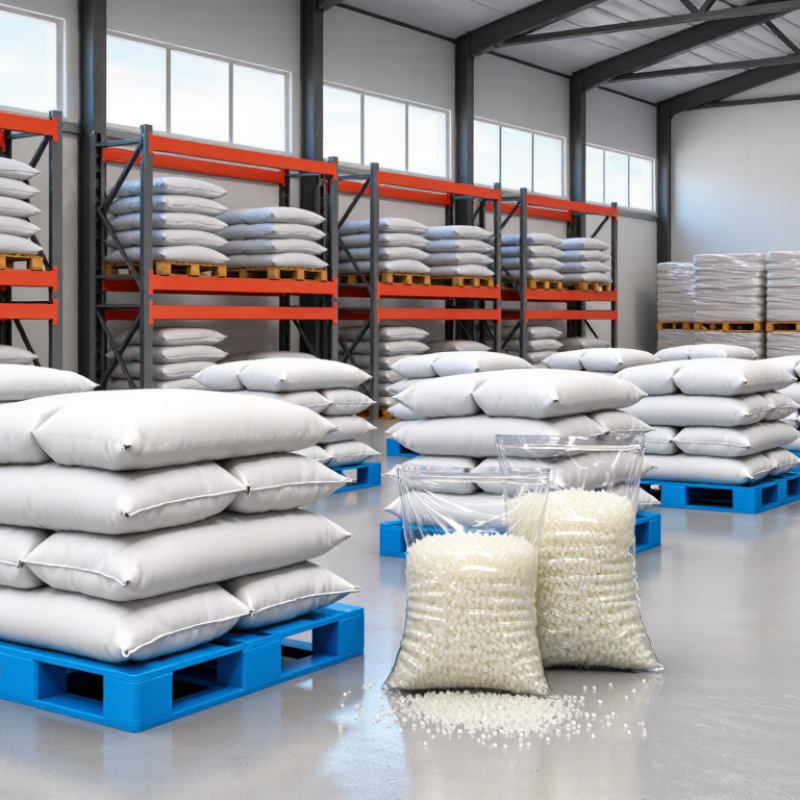
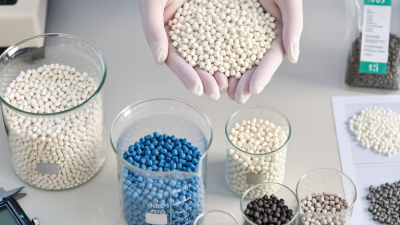
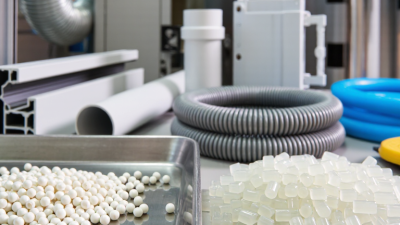
PVC compounds are engineered blends of PVC resin, stabilizers, plasticizers, pigments, and processing aids. They are designed for specific performance needs. A rigid compound may form window profiles or electrical conduit. A flexible grade can support cable insulation, seals, or medical tubing.
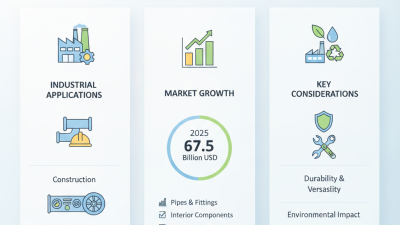
Global buyers use compounds because they simplify production and improve consistency. Pre-formulated materials reduce in-house mixing, dosing errors, and color variation. They can also provide controlled hardness, flame resistance, weatherability, and impact strength. Grand View Research valued the global PVC market at more than USD 45 billion in 2023, showing the material’s continuing industrial importance. PlasticsEurope’s 2023 industry report placed PVC at roughly one-tenth of European plastics demand. The scale is significant.
Performance still depends on processing.
A compound that works in injection molding may fail in extrusion. Heat history, screw design, storage conditions, and local standards all matter. Buyers should request technical data, lot traceability, testing methods, and recommended processing temperatures. A lower price can become expensive after rejected profiles or unstable colors. This is easy to overlook. Supplier evaluation should include trial runs, not only certificates and quotations. Reports from the International Organization for Standardization also reinforce the need for application-specific testing, because one specification rarely covers every end use.
Comparative overview of anonymized supplier profiles and commonly traded PVC compound specifications for international procurement.
| Rank | Supplier Profile | Primary Supply Region | Typical PVC Compound Types | Common Hardness Range | Key Formulation Features | Typical Applications | Relevant Standards | Typical MOQ | Typical Lead Time | Standard Packaging |
|---|---|---|---|---|---|---|---|---|---|---|
| 1 | Profile A – High-volume general-purpose compounder | East Asia | Rigid PVC Flexible PVC | Shore D 70–85 Shore A 60–90 |
Balanced impact strength, weatherability, thermal stability, and consistent pellet size. | Pipes, fittings, profiles, cable insulation, flooring, and molded parts. | ISO 17488; ASTM D1784; RoHS and REACH-related documentation available by grade. | 1 metric ton | 15–30 days | 25 kg moisture-resistant bags; palletized export loads. |
| 2 | Profile B – Electrical and cable-grade specialist | Central Europe | Insulation PVC Sheathing PVC | Shore A 85–95 | Electrical insulation, flame-retardant systems, low-temperature flexibility, and controlled smoke performance. | Power cables, control cables, appliance wires, and data-cable components. | IEC 60502; IEC 60811; EN 50363; RoHS and REACH-related documentation. | 500 kg | 20–35 days | 20–25 kg bags or octabins, depending on grade. |
| 3 | Profile C – Medical and regulatory-focused compounder | North America | Medical Flexible PVC Low-extractable PVC | Shore A 65–90 | Low extractables, controlled odor, biocompatibility-oriented raw material selection, and lot traceability. | Medical tubing, fluid bags, protective covers, and single-use components. | ISO 10993 evaluation support; USP Class VI support; ISO 13485 supplier systems may apply. | 250–500 kg | 30–60 days | Clean polyethylene-lined bags with batch identification. |
| 4 | Profile D – Construction and infrastructure supplier | South Asia | Pipe Compound Window Profile Compound | Shore D 75–90 | High stiffness, long-term outdoor durability, calcium-zinc stabilization options, and impact modification. | Drainage pipes, conduit, window profiles, siding, and building membranes. | ASTM D1784; EN 1329; EN 1401; ISO 1452, depending on product grade. | 1–5 metric tons | 15–25 days | 25 kg bags or 500–1,000 kg big bags. |
| 5 | Profile E – Automotive interior and molded-parts supplier | East Asia | Flexible Molding PVC Low-fogging PVC | Shore A 70–95 | Low fogging, controlled volatile content, abrasion resistance, color consistency, and surface appearance. | Automotive seals, trim components, grommets, instrument-panel parts, and protective covers. | Automotive-specific customer specifications; ISO 9001 and IATF 16949 systems may apply. | 500 kg–1 metric ton | 25–45 days | 25 kg bags; custom-colored grades require sealed inner liners. |
| 6 | Profile F – Flooring, footwear, and consumer-goods specialist | Southeast Asia | Calendering PVC Foamed PVC Flexible PVC | Shore A 50–90 | Good processability, pigmentation flexibility, abrasion resistance, and tunable foam density. | Vinyl flooring, artificial leather, shoe soles, mats, stationery, and consumer products. | ASTM F1700; EN 649; phthalate-restricted formulations available for applicable markets. | 1 metric ton | 15–30 days | 25 kg bags or jumbo bags for high-volume orders. |
| 7 | Profile G – Flame-retardant industrial compounder | Western Europe | Flame-retardant PVC Low-smoke PVC | Shore A 80–95 Shore D 70–82 |
Reduced flame spread, controlled smoke generation, dimensional stability, and high-temperature aging resistance. | Rail interiors, industrial cable systems, electrical housings, and public-building products. | IEC 60332; IEC 61034; EN 45545-2 grades may be available by formulation. | 500 kg–2 metric tons | 30–50 days | 20–25 kg bags with batch-specific technical documentation. |
| 8 | Profile H – Recycled-content and circular-material supplier | Southern Europe | Recycled PVC Compound Blended PVC | Shore D 65–85 Shore A 70–90 |
Post-industrial or post-consumer recycled content, filtration control, stabilizer adjustment, and cost efficiency. | Construction profiles, floor backing, cable ducts, pallets, and non-food industrial components. | EN 15343 chain-of-custody principles; ISO 14021 environmental claims support where applicable. | 1–5 metric tons | 20–40 days | 25 kg bags or 500 kg big bags. |
| 9 | Profile I – Agricultural and outdoor-products supplier | Latin America | UV-stabilized PVC Flexible Film PVC | Shore A 60–85 | UV resistance, outdoor aging performance, flexibility, moisture resistance, and color retention. | Irrigation components, agricultural films, hoses, tarpaulins, and outdoor protective products. | ASTM G154 weathering evaluation; ISO 4892 exposure methods may be used for testing. | 1 metric ton | 20–35 days | 25 kg bags with UV-stabilizer grade identification. |
| 10 | Profile J – Custom-color and application-development supplier | Middle East and North Africa | Custom PVC Compound Color-matched PVC | Shore A 55–95 Shore D 65–88 |
Color matching, additive customization, tailored melt flow, surface finish control, and prototype support. | Consumer goods, extrusion profiles, cable accessories, molded components, and industrial parts. | ISO 9001 quality systems; customer-specific ASTM, EN, or IEC testing may be arranged. | 250 kg–1 metric ton | 20–45 days | 25 kg bags; color-coded batch labels and retained samples. |
Note: PVC compound properties, certifications, minimum order quantities, packaging, and delivery times vary by formulation, production location, testing requirements, and destination market. Buyers should request a current technical data sheet, safety data sheet, compliance declaration, sample approval, and batch-specific certificate of analysis before placing an order.