Leave Your Message

China Top 10 PVC Film Sheet Types for Global Buyers?

China has become a major sourcing base for PVC film sheet products used in packaging, construction, printing, furniture, and industrial protection. Yet global buyers face a crowded market with different grades, finishes, widths, and performance claims. This guide introduces ten important China-made PVC film sheet types and explains where each type may fit. The term Pvc Film Sheet covers more than one material category. Thickness, plasticizer choice, surface treatment, and production method can change its behavior considerably.

The selection focuses on practical buying factors, including clarity, flexibility, weather resistance, flame performance, printability, and dimensional stability. Examples include transparent film, soft PVC film, rigid sheet, decorative film, and calendared industrial grades. Real sourcing decisions also require samples, technical data sheets, factory audits, and independent testing when the application is sensitive. A bright sample can still fail after heat exposure. A low price may hide inconsistent thickness. Small details matter.

No ranking fits every factory or destination market. Some product categories overlap, and suppliers may use different names for similar materials. That limitation deserves attention. Buyers should confirm test methods, tolerances, packaging conditions, and intended use before placing large orders. Reliable manufacturers should explain their resin systems, quality controls, and inspection records without vague promises. This overview is designed as a practical starting point, not a substitute for application testing. Careful comparison usually prevents expensive surprises.
China Top 10 PVC Film Sheet Types for Global Buyers?

PVC Film and Sheet: Definition, Structure, and Main Classifications

PVC film and sheet are flat materials made mainly from polyvinyl chloride resin. Film is usually thinner and more flexible, while sheet is thicker and more dimensionally stable. Their structure normally includes PVC resin, plasticizers, stabilizers, pigments, and processing aids. Plasticizers soften the material. Stabilizers support heat and light resistance.

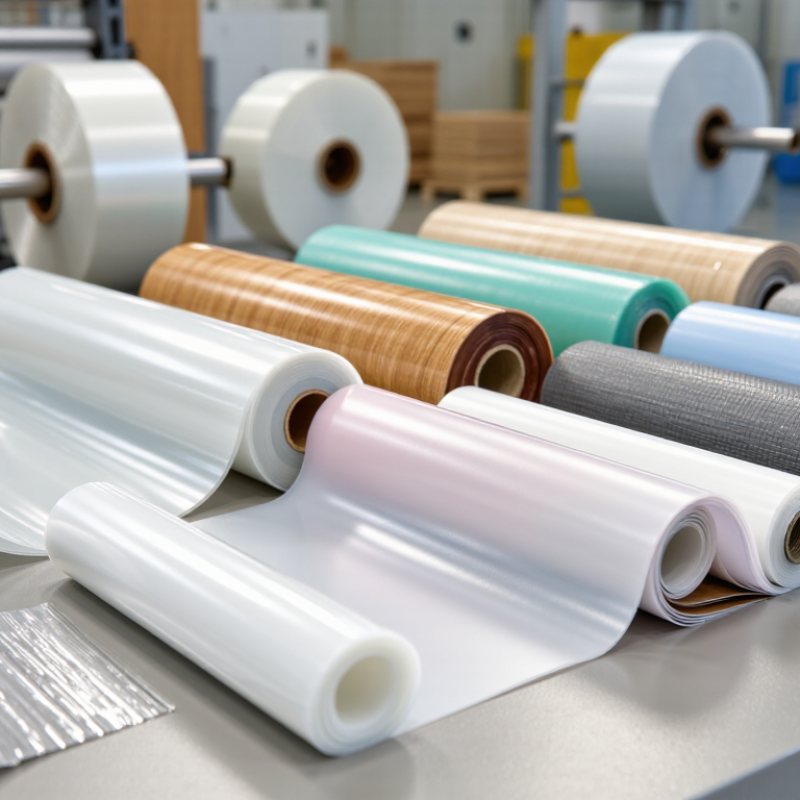
For global buyers, ten common classifications include transparent film, opaque film, flexible film, rigid sheet, calendered film, cast film, embossed sheet, printed film, adhesive-backed film, and reinforced sheet. Calendering creates controlled thickness through heated rollers. Casting produces smooth film from a liquid coating process. Embossing adds texture, such as a leather-like surface. Rigid sheet suits panels and protective covers. Flexible film works better for wrapping, curtains, and soft packaging applications. However, these categories can overlap. A film may be both calendered and embossed.

Tips: Check thickness, tensile strength, elongation, surface finish, and shrinkage before ordering. Request samples from the same production method. Measure them after conditioning at room temperature. Some suppliers describe “film” and “sheet” differently, so confirm actual dimensions. I once treated thickness as the main quality indicator; that was incomplete. Plasticizer migration, odor, weldability, and color stability can matter more in real use. Ask for test reports, material composition, storage guidance, and batch consistency. Supplier documentation is useful, but physical testing remains essential.
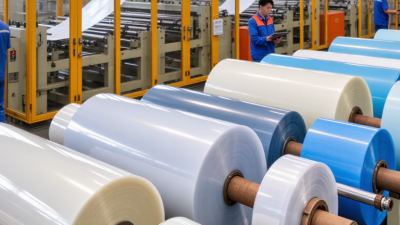

China Top 10 PVC Film and Sheet Types for Global Buyers

Typical thickness ranges by PVC film and sheet classification

PVC film and sheet products are commonly classified by flexibility, surface structure, processing method, and end use. The ranges shown are representative commercial thickness ranges in millimeters; actual specifications vary by application, formulation, production process, and applicable industry standards.

China’s Top 10 PVC Film and Sheet Types by Material and Function

China Top 10 PVC Film Sheet Types for Global Buyers

China’s Top 10 PVC Film and Sheet Types by Material and Function

China supplies a broad range of PVC materials for packaging, construction, printing, and industrial use. The main ten types are rigid PVC sheet, flexible PVC film, calendared film, cast film, clear film, opaque film, laminated sheet, printed film, UV-resistant sheet, and antistatic film. Each serves a different purchasing need. Rigid sheets suit partitions and fabricated panels. Flexible films support wrapping, labels, and protective covers. Laminated products add surface strength, while printed films improve visual communication. Clear PVC offers visibility, but it may require careful plasticizer and migration checks.

Grand View Research reported continued growth in the global PVC films market, supported by packaging and construction demand. Industry analyses also identify Asia-Pacific as a major production and consumption region. These figures support China’s supply importance, but they do not prove every factory delivers equal consistency. Thickness tolerance, haze, tensile strength, surface energy, and roll cleanliness still need testing. A low quoted price can hide higher waste.

Tips: Request a recent technical datasheet, sample roll, and third-party test report. Confirm thickness at several points, not only the center. For food-contact or medical applications, verify the destination market’s current requirements. I would also review packaging design carefully; some exporters protect the film well, while others leave edges vulnerable to moisture. Market rankings can change, and this classification remains practical rather than absolute.

China’s Top 10 PVC Film and Sheet Types by Material and Function for Global Buyers

No. PVC Film or Sheet Type Material and Typical Construction Primary Function Common Thickness Range Key Performance Characteristics Typical Global Applications
1 Flexible Calendered PVC Film Plasticized PVC produced by calendering; may contain stabilizers, pigments, and other approved additives. Flexible covering, wrapping, protection, and surface finishing. 0.08–1.00 mm Flexible, weldable, printable, available in transparent, translucent, or opaque grades; good resistance to moisture and many common chemicals. Packaging, table covers, rainwear, stationery, protective covers, and general industrial laminations.
2 PVC Tarpaulin and Coated Fabric PVC-coated polyester fabric or PVC-laminated textile with a flexible plasticized PVC coating. Outdoor enclosure, weather protection, and temporary or semi-permanent covering. 0.35–1.20 mm Tear resistance is provided by the fabric scrim; waterproof, heat-sealable, printable, and available in different weights and surface finishes. Truck covers, tents, awnings, banners, inflatable products, pool covers, and temporary structures.
3 Rigid PVC Sheet Unplasticized PVC (uPVC) sheet manufactured by extrusion or calendering. Rigid paneling, fabrication, protection, and structural lining. 0.5–20 mm High stiffness, low water absorption, good corrosion resistance, easy cutting and machining, and suitable for thermoforming in selected grades. Sign boards, partitions, wall cladding, fabrication panels, chemical-resistant liners, and display structures.
4 Clear PVC Film and Sheet Transparent flexible or semi-rigid PVC, usually formulated with plasticizers for film grades. Product visibility, protective separation, and transparent enclosure. 0.10–3.00 mm High transparency, good flexibility, heat-sealing capability, and resistance to moisture; clarity depends on formulation and processing. Packaging windows, document pockets, shower curtains, table covers, medical curtains, and protective overlays.
5 Printed PVC Film Flexible or rigid PVC substrate treated for ink adhesion and printed by common roll-to-roll or sheet printing processes. Visual communication, decoration, identification, and branding without specifying a brand or supplier. 0.08–1.00 mm Supports screen, gravure, flexographic, and digital printing; can be glossy, matte, embossed, or laminated for added protection. Labels, banners, point-of-sale graphics, decorative panels, window graphics, and indoor or outdoor signage.
6 Self-Adhesive PVC Film PVC face film combined with a pressure-sensitive adhesive and a silicone-coated release liner. Removable or permanent bonding to smooth and selected slightly textured surfaces. 0.06–0.25 mm Available with permanent, removable, or repositionable adhesive systems; printable and supplied with gloss, matte, or textured surfaces. Decorative wraps, labels, wall graphics, safety markings, furniture overlays, and short- to medium-term signage.
7 PVC Electrical Insulation Film Plasticized PVC formulated for electrical insulation, commonly supplied as film, tape, or flexible sheet. Electrical insulation, wire and cable protection, and component separation. 0.10–0.80 mm Good dielectric insulation, flexibility, flame-retardant options, and resistance to moisture; performance must be verified against the applicable electrical standard. Electrical tape, cable wrapping, harness protection, insulation barriers, and low-voltage component assemblies.
8 Medical and Healthcare PVC Film Flexible PVC manufactured with additives selected for the intended medical or healthcare application and regulatory requirements. Fluid containment, protective barriers, and disposable healthcare components. 0.20–1.50 mm Flexible, transparent options available, heat-sealable, suitable for sterilization methods only when specifically qualified; biocompatibility and extractables must be assessed for the application. Medical bags, tubing-related components, mattress covers, fluid liners, curtains, and disposable protective products.
9 PVC Geomembrane and Waterproofing Sheet Flexible PVC sheet reinforced or unreinforced, often supplied with welded seams for large-area installation. Waterproofing, liquid containment, and separation from soil or building substrates. 0.50–3.00 mm Water-resistant, flexible at low temperatures depending on formulation, heat-weldable, and available in reinforced grades for dimensional stability. Roofing membranes, ponds, canals, reservoirs, tunnels, basements, and industrial containment areas.
10 PVC Embossed and Decorative Sheet Rigid or semi-rigid PVC sheet with a textured, embossed, wood-look, stone-look, or patterned surface. Surface decoration, visual enhancement, and protection of interior or display surfaces. 0.30–5.00 mm Textured appearance, easy cleaning, moisture resistance, low maintenance, and compatibility with laminating or thermoforming processes in suitable grades. Interior wall panels, furniture surfaces, ceiling elements, exhibition displays, retail fixtures, and decorative laminates.

Note: Thickness ranges are typical commercial ranges and may vary according to formulation, manufacturing process, regulatory requirements, and end-use specifications. Buyers should confirm technical data, applicable standards, chemical compatibility, and compliance documentation before purchase.

Key Properties, Applications, and Suitable Industries for Each Type

China Top 10 PVC Film Sheet Types for Global Buyers

China’s PVC film and sheet supply covers ten practical types for different industries.

Rigid PVC sheet offers stiffness, chemical resistance, and easy cutting. It suits equipment covers, partitions, and construction panels.

Flexible PVC film bends around cables, labels, and inflatable products.

Clear PVC film provides visibility for packaging windows and protective curtains. However, clarity can decline after prolonged heat exposure.

Opaque PVC sheet blocks light and supports signs, interior panels, and industrial guards.

Printed PVC film carries detailed graphics for retail displays and promotional surfaces.

Embossed PVC film adds texture, improving visual depth and grip.

Laminated PVC sheet combines a decorative surface with a stronger backing. It serves furniture, doors, and interior decoration.

These options need accurate thickness control. Small variations can affect folding and installation.

UV-resistant PVC film is designed for outdoor signs, agricultural covers, and vehicle-related applications.

Anti-static PVC film helps reduce dust attraction in electronics assembly and clean work areas.

Transparent soft PVC sheet can support curtains, table covers, and machine separation.

Food-packaging applications require documented compliance for the destination market. Not every clear film qualifies.

Buyers should request test reports, migration data, thickness tolerances, and sample rolls before bulk orders.

In my experience, surface appearance often receives more attention than long-term performance. That is a costly mistake.

Climate, storage conditions, printing method, and cutting equipment can change the final result. Testing under real working conditions remains essential.

How Global Buyers Compare PVC Film and Sheet Specifications

Global buyers compare PVC film and sheet by application, not by thickness alone. China’s common options include clear film, opaque film, soft flexible film, rigid sheet, embossed sheet, laminated sheet, coated sheet, static-cling film, printing film, and electrical insulation sheet. Each type needs a different specification checklist.

Start with thickness and width tolerance. Measure several points across the roll, because edge variation can affect cutting and forming. Then review hardness, tensile strength, elongation, surface finish, and thermal stability.

Transparent film should be checked for haze, bubbles, and color consistency. Printed or laminated material needs strong ink adhesion and controlled shrinkage. For outdoor use, ask for weathering data instead of accepting general phrases like “long life.”

Request a technical data sheet, sample rolls, and test results from the same production batch. A sample may look excellent but behave differently after heating or repeated bending. Packaging also matters. Moisture, dust, and tight winding can damage the surface before arrival.

Compare resin formulation, plasticizer content, recycled content, and processing method when relevant to the end use.

Do not rely on one laboratory value. I have seen buyers focus on tensile strength and overlook odor, curl, or poor die-cutting performance. That comparison was incomplete.

Small details often decide whether a PVC film or sheet performs reliably in real production.

Sourcing, Quality Control, Compliance, and Export Considerations in China

China Top 10 PVC Film Sheet Types for Global Buyers?

China supplies many PVC film and sheet options, including calendered, cast, embossed, transparent, colored, printed, rigid, flexible, adhesive-backed, and recycled-content grades. Each type suits different uses and requires separate checks. Buyers should confirm thickness, width, surface finish, tensile strength, shrinkage, and plasticizer performance before ordering. A clear specification sheet prevents expensive misunderstandings.

Quality control should begin with a verified factory audit and a small trial order. Inspect roll edges, color consistency, odor, surface marks, and winding tension. Request batch test reports, but do not rely on documents alone. Independent testing can confirm composition, heavy-metal limits, migration performance, and mechanical properties. Compliance depends on the destination market, product use, packaging contact, and transport rules. Export files should match the physical goods, including invoices, packing lists, certificates, and accurate tariff descriptions. Details matter.

Tips: Approve a signed sample before mass production. Measure several points across each roll, not just the center. Keep sealed retention samples for later comparison. Ask about moisture protection and pallet strength. A cheap quote may hide weak packaging or unstable thickness. I have seen minor width errors delay installation. That risk deserves a written tolerance. Some buyers also overlook labeling language and recycling marks. Check them early.