Top Quality PVC Film Roll Supplier for Global Buyers?
In the competitive market of packaging materials, the demand for high-quality PVC film roll is ever-increasing. Global buyers search for reliable suppliers who can deliver consistent products. PVC film roll is versatile, used in various industries like food, electronics, and construction. Choosing the right supplier can significantly impact production efficiency.
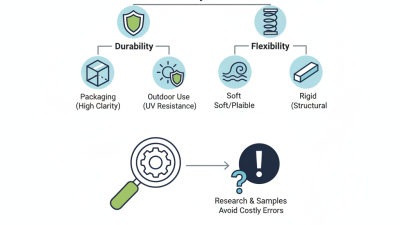
A good supplier should offer a variety of PVC film rolls tailored to specific needs. Factors like thickness, transparency, and durability are crucial. However, businesses often overlook the importance of supplier expertise. This can lead to costly mistakes. It's vital to research and assess potential suppliers thoroughly.
Buyers must consider sustainability as well. Environmentally-friendly options are becoming popular. However, not all suppliers prioritize eco-friendly practices. Thus, understanding a supplier's production processes is necessary. Making informed choices will help businesses thrive in a challenging market. Finding a top-quality PVC film roll supplier is an ongoing journey, requiring careful evaluation and trust.
Top PVC Film Roll Suppliers: Market Landscape and Key Players
The PVC film roll market is dynamic and diverse. Top suppliers cater to various industries, providing high-quality products. Understanding the landscape helps buyers make informed choices. Factors like cost, durability, and versatility are crucial.
When selecting a supplier, consider their manufacturing process. A reliable supplier ensures quality control measures are in place. Ask about their sourcing of raw materials. Transparency can reveal their commitment to excellence.
Tips: Look for suppliers with certifications. This ensures that their products meet industry standards. Research customer reviews to gauge their reputation. Long-term partnerships often yield better cost advantages.
Some suppliers may offer a wide range, but not all products are equal. Narrow down choices based on specific needs. A moment’s reflection on your requirements can save time and resources. Finding the right match can elevate your production quality.
Quality Standards in PVC Film Production: ASTM and ISO Certifications
When it comes to PVC film production, quality standards play a crucial role. Adhering to ASTM and ISO certifications is essential for suppliers. ASTM provides guidelines that focus on the physical properties of PVC films, ensuring they meet specific requirements for durability and flexibility. For instance, ASTM D882 outlines the tensile strength and elongation of plastic films, crucial for assessing quality.
ISO certifications, such as ISO 9001, emphasize a systematic approach to quality management. This ensures that manufacturing processes are standardized and continuously improved. A study by Smithers Pira indicated that products meeting ISO standards see a 20% increase in customer trust. Yet, many suppliers still struggle with compliance. Inadequate training and inconsistent processes can lead to significant quality variations.
While many manufacturers advertise high-quality films, not all can substantiate their claims. Transparency in the supply chain is often lacking. Buyers should scrutinize the certifications of their suppliers. Ensure they can produce reliable products that genuinely reflect the stated standards. Reliable testing reports and quality checks are paramount for establishing trust.
Global Demand for PVC Films: Trends and Consumption Data
The global market for PVC films is witnessing significant growth. Various industries are increasingly relying on these films for packaging, signage, and construction applications. The flexibility of PVC films makes them a preferred choice for manufacturers. Consumers value their durability and resistance to moisture. This trend is driven by their versatility in multiple sectors.
Data shows that demand for PVC films surged in regions like Asia Pacific and North America. Emerging markets are exploring innovative applications. High-quality PVC films are essential for meeting these new requirements. Buyers are looking for suppliers who understand both the technical specifications and market trends. However, varying quality standards can pose challenges.
Many suppliers are striving to maintain high standards. Yet, discrepancies in production can lead to inconsistencies. Some suppliers may not fully meet buyer expectations. It’s vital to engage with suppliers who prioritize quality control and can adapt to changing demands. This ensures that products remain reliable and effective across the board. A thoughtful approach is key to navigating this evolving market.
Comparative Analysis: PVC Film vs. Alternative Packaging Materials
When comparing PVC film to alternative packaging materials, it's essential to note several critical factors.
PVC film is highly regarded for its durability and flexibility. In recent reports, PVC films demonstrated a tensile strength superior to many alternatives, making them an excellent choice for applications requiring resilience. A study published by Smithers Pira highlighted that PVC accounts for over 30% of the global flexible packaging market. This shows its prevalent use and reliability in various sectors.
Alternative materials like paper and biodegradable plastics are gaining traction. However, they often lack the same level of barrier properties as PVC. For instance, while biodegradable options are eco-friendlier, their puncture resistance typically falls short compared to PVC. Recent data indicates that PVC's water vapor transmission rate is significantly lower than that of many paper-based products, marking a critical advantage in preserving product integrity.
Despite its advantages, PVC does face scrutiny regarding its environmental impact. Some manufacturers are exploring ways to reduce harmful byproducts in production. The industry's shift toward sustainability reveals an ongoing tension between performance and ecological responsibility. As consumers become more environmentally conscious, the packaging sector will undoubtedly need to address these concerns more effectively.
Sustainability in PVC Film Production: Recycled Materials and Eco Initiatives
The PVC film production industry is evolving. Sustainability is becoming essential. Companies are exploring recycled materials. Using these materials can decrease waste and promote a circular economy. This shift provides environmental benefits. It reduces reliance on virgin resources. Yet, challenges remain. Not all recycled materials meet quality standards. Ensuring reliability is crucial for manufacturers.
Eco initiatives are gaining traction. Some producers are adopting green practices. They focus on energy efficiency and reducing emissions. These new methods can lower environmental footprints. However, transitioning can be slow. Many companies are hesitant to change established processes. They may fear higher costs or lower output. This hesitation can hinder progress in the industry.
Innovation in sustainable PVC film is necessary. Collaboration across sectors could create effective solutions. Research into new recycling techniques is vital. Educating consumers about sustainability also plays a role. It encourages companies to prioritize eco-friendly practices. While the path forward is complex, the pursuit of sustainability can enhance both quality and responsibility.
Top Quality PVC Film Roll Supplier for Global Buyers
| Dimension |
Material Type |
Thickness (mm) |
Length (m) |
Recycled Content (%) |
Eco Initiatives |
| 1.0 x 1000 |
PVC |
0.10 |
200 |
30 |
Solar Power Utilization |
| 1.2 x 1200 |
PVC |
0.15 |
250 |
40 |
Waste Reduction Programs |
| 1.5 x 1500 |
PVC |
0.20 |
150 |
25 |
Community Recycling Initiatives |
| 2.0 x 2000 |
PVC |
0.25 |
300 |
50 |
Biodegradable Options Research |