2026 Top PVC Film Sheet Suppliers for Global Buyers?
Choosing the right Pvc Film Sheet supplier in 2026 requires more than comparing online prices. Global buyers must examine material consistency, production capacity, documentation, and communication quality.
A reliable supplier should clearly state film thickness, roll width, surface finish, tensile strength, and temperature performance. These details affect printing, lamination, packaging, furniture wrapping, and construction applications. A sample roll can reveal problems that a polished catalogue may hide. Check for uneven gloss, edge curling, pinholes, and unstable color under warehouse lighting.
Brigitte Dero, former director general of VinylPlus, has said, “Sustainability is a journey, not a destination.” That idea matters when evaluating modern Pvc Film Sheet manufacturers. Buyers should request information about recycled content, responsible sourcing, production waste, and applicable compliance documents. Depending on the destination market, records may include REACH, RoHS, food-contact declarations, or other recognized standards.
The best supplier is not always the cheapest one. Sometimes, a low quotation excludes testing, custom packaging, or stable after-sales support. That mistake can become expensive.
This guide reviews leading Pvc Film Sheet suppliers for global buyers in 2026. It considers product range, quality control, customization, minimum order quantities, export experience, and response speed. The assessment is practical, but not perfect. Supplier performance can change with raw-material costs, factory workloads, and regional logistics.
Buyers should still verify recent samples, inspection reports, and contractual terms before placing large orders. A careful decision begins with evidence, not attractive promises.
What PVC Film Sheets Are and Where They Are Used
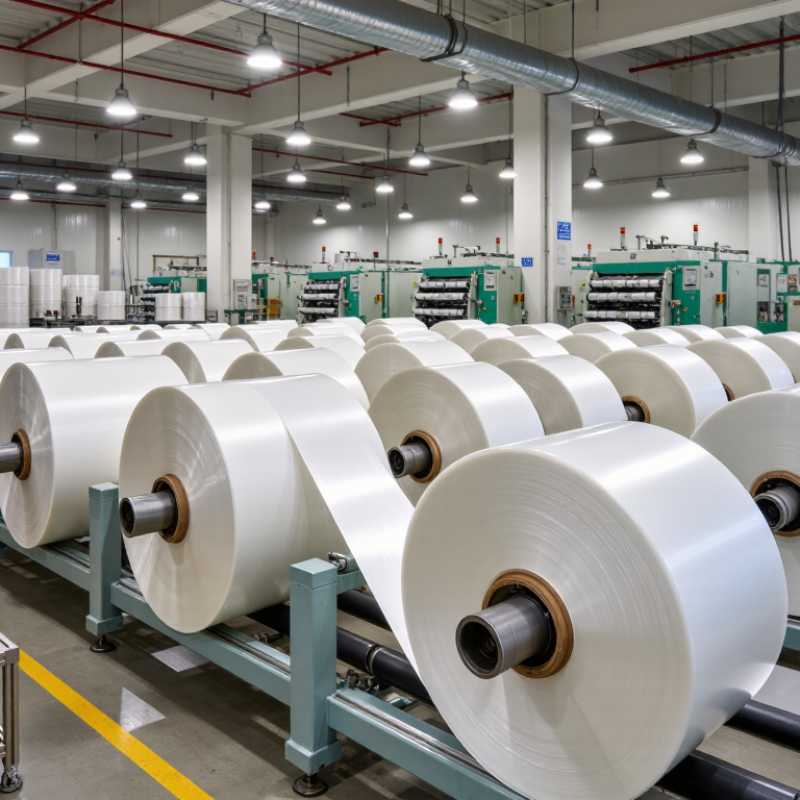
PVC film sheets are thin polymer layers made from polyvinyl chloride. They can be soft, clear, opaque, printed, or lightly textured. Their flexibility depends on formulation, thickness, and plasticizer content. Rigid grades hold shape better, while flexible grades bend around curved surfaces. It is not fabric. Manufacturers form these sheets through calendaring or extrusion. They then inspect thickness, gloss, color, and surface defects. Small variations can affect sealing, printing, and installation.
PVC film sheets appear in blister packaging, product labels, protective overlays, wall coverings, flooring, and waterproof membranes. Some grades also support electrical insulation or decorative lamination. For food or medical uses, buyers must verify applicable contact and safety requirements. Surface finish matters too. A glossy sheet may improve visual appeal, while a matte sheet can reduce glare. Clear film shows contamination quickly. That can be useful during quality checks.
Global buyers usually compare thickness tolerance, tensile strength, elongation, thermal performance, roll width, and core size. Printing and bonding requirements should be confirmed before purchase. A common sourcing mistake is choosing by price alone. The cheapest sheet may curl, crack, or release an odor after processing. A smooth appearance is not proof of consistent performance. Measure twice. Even a detailed specification can miss actual production behavior, so trial samples and documented inspection remain important.
Leading Supplier Regions and Their Market Strengths
China remains a major sourcing region for PVC film and sheet products in 2026. Its strengths include broad production capacity, flexible order volumes, and competitive pricing. Buyers can often request custom thicknesses, surface textures, colors, and roll widths. Many factories also support laminating, printing, and protective coating services.
However, low pricing should not replace technical checks. Ask for recent test reports, batch samples, and clear tolerance data. Production quality may vary between factories. That matters.
Germany, Italy, and other European manufacturing centers usually compete through process control and specialized performance. Their PVC sheets often serve construction, interior finishing, medical packaging, and industrial applications. Buyers may find stronger documentation, stable batch consistency, and closer attention to environmental requirements. Lead times can be longer, and minimum order quantities may be less flexible.
South Korea, Japan, and parts of Southeast Asia offer another balance. These regions are known for precise film processing, clean surfaces, and dependable coating performance. They can suit electronics protection, decorative laminates, and demanding converting work. Freight routes, energy costs, and currency changes still affect final pricing.
A practical sourcing review should compare delivered cost, not only factory price. Check thickness after conditioning, roll appearance, odor, tensile strength, and shrinkage. One overlooked detail can disrupt an entire production line. Regional reputation helps, but direct evidence is better.
Key Purchasing Criteria for Global Buyers
2026 Top PVC Film Sheet Suppliers for Global Buyers?
Global buyers should assess PVC film and sheet suppliers through evidence, not attractive quotations. Grand View Research valued the global PVC market at over USD 45 billion in 2023. It also expects steady growth through 2030. This scale creates more sourcing options, but quality can vary sharply. Request technical data sheets, recent batch records, and samples from the same production line. Check thickness tolerance, tensile strength, elongation, haze, surface energy, and dimensional stability. Ask for evidence.
Compliance documents must match the destination market. Buyers should verify restricted-substance declarations, safety data sheets, and traceability records. For flexible films, testing against relevant ASTM or ISO methods improves comparability. A supplier’s certificate alone is insufficient. Independent laboratory testing is safer for large orders. Packaging-film analysis from Smithers also highlights downgauging and measurable performance as important purchasing pressures. Thinner material may reduce freight and waste, but it can increase tearing during converting.
Delivery capability deserves equal attention. Review monthly capacity, lead times, minimum order quantities, core dimensions, and export packaging. A supplier should explain how it manages resin variation and color consistency. Use a small pilot order before signing annual volumes. Low cost is not always low risk. No scorecard is perfect. Weathering claims may also fail under different climates, so buyers should request accelerated-aging data that reflects actual outdoor exposure. Supplier communication matters when specifications change unexpectedly.