Leave Your Message
-
Phone
-
E-mail
-
Whatsapp

-
Wechat

Reliable blood collection depends on more than capacity. It requires safe materials, validated processing, and dependable distribution.
The World Health Organization’s Global Status Report on Blood Safety and Availability 2021 recorded 118.5 million blood donations worldwide. However, supply remains uneven. High-income countries represented about 16% of the global population but collected approximately 40% of reported donations. This gap places pressure on manufacturers and healthcare providers to deliver practical, scalable systems. A Pvc Blood Bag can support that need through a transparent flexible container, integrated tubing, and compatibility with established centrifugation and storage workflows. These details matter in busy blood centers. Staff can inspect the component visually, identify labeling errors, and separate blood products with familiar equipment.
PVC also offers manufacturing consistency and broad supply-chain experience. Its heat-sealable structure supports closed collection systems, while standardized production can simplify procurement across regional facilities. AABB standards and national regulatory guidance still require careful validation of sterility, biocompatibility, labeling, and performance. Material choice alone does not guarantee safety.
There are trade-offs.
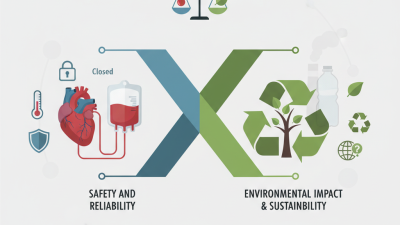
Plasticizer migration, waste management, and local storage conditions deserve serious review. Some PVC formulations may require specific evaluation for red-cell preservation and patient exposure. The U.S. Food and Drug Administration emphasizes risk-based controls for blood collection containers and related devices. Therefore, choosing a Pvc Blood Bag should involve documented testing, supplier qualification, and post-market monitoring. Cost is important, but it should not become the only metric. The better question is whether the bag performs reliably from donor chair to transfusion laboratory, even when infrastructure is limited. That answer depends on evidence, not marketing claims.
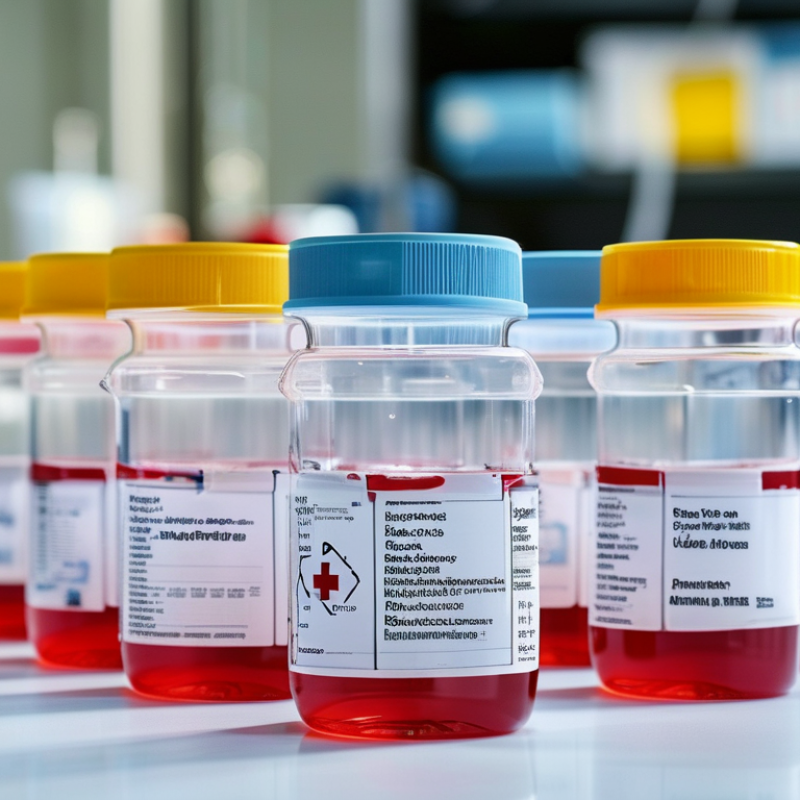
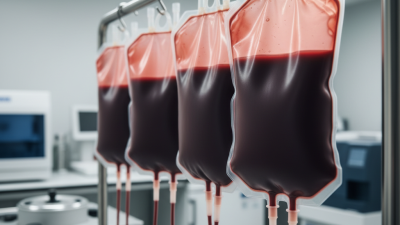
PVC blood bags are flexible, sterile containers designed to collect, store, and process donated blood. Medical-grade PVC is softened to prevent cracking during transport and refrigeration. A needle connects to closed tubing, while a measured anticoagulant preserves the blood during collection. The bag collapses as blood enters, reducing air exposure and limiting contamination risks. That matters.
After collection, satellite bags support component separation. Blood centers can use centrifugation to divide red cells, plasma, and platelets without opening the system. Clear PVC also allows technicians to inspect color, clots, and unusual particles. The World Health Organization reported approximately 118.5 million blood donations globally in its Global Status Report on Blood Safety and Availability 2021. Such volume requires containers that are consistent, stackable, and practical across different supply chains.
PVC bags can be heat-sealed and produced in standardized sizes. ISO 3826-1:2019 specifies requirements for plastic collapsible containers used for blood and blood components. Some PVC systems use plasticizers to maintain flexibility, but material selection must match storage time and component type. Safety teams should review extractables, leachables, and local regulatory requirements. PVC is not perfect. Environmental disposal and plasticizer concerns still deserve attention. In practice, the right bag depends on validated testing, cold-chain conditions, and the blood component being stored.
| Data Dimension | Typical Information | How It Works or Why It Matters | Global Supply Consideration |
|---|---|---|---|
| Basic Definition | Flexible, sterile, single-use medical containers made primarily from polyvinyl chloride (PVC). | The flexible bag collects, stores, separates, and transports blood or blood components while reducing breakage risk compared with rigid glass containers. | Lightweight construction supports lower transport volume and easier handling in hospitals, blood centers, and emergency-response systems. |
| Primary Material | Medical-grade PVC is commonly formulated with a plasticizer to provide flexibility. | Flexibility allows the bag to collapse as blood is withdrawn, helping limit air entry during component transfer. | Material selection should comply with the applicable medical-device, chemical-safety, and blood-storage requirements in the destination market. |
| Common Collection Volumes | Approximately 250 mL, 350 mL, and 450 mL nominal collection sizes are widely used. | The selected volume must match the donor’s collection protocol, anticoagulant quantity, and the intended blood component. | Standardized sizes simplify procurement, staff training, equipment compatibility, and inventory planning across multiple regions. |
| Anticoagulant-Preservative Solution | Common systems use citrate-based anticoagulant-preservative solutions, such as CPDA-1 or citrate-phosphate-dextrose solutions used with additive solutions. | Citrate binds calcium to prevent clotting, while phosphate, dextrose, and other permitted ingredients help maintain red-cell metabolism during storage. | The solution type determines labeling, storage limits, component-processing instructions, and applicable regulatory requirements. |
| Collection Mechanism | Blood flows from the donor through sterile tubing into the primary bag containing a measured anticoagulant solution. | Controlled tubing, clamps, ports, and mixing during collection help maintain an appropriate blood-to-anticoagulant ratio. | Closed-system designs can reduce contamination risk and support consistent processing without opening the collection pathway. |
| Component Separation | Multiple-bag systems may include satellite bags for red cells, plasma, and platelets. | Centrifugation and sterile transfer separate blood into components while keeping the system closed. | Component production improves the practical use of each donation and can reduce the number of whole-blood units required for patient care. |
| Red-Cell Storage Temperature | Typically 1–6 °C for refrigerated red-cell storage, subject to the approved system and local regulations. | Refrigeration slows cellular metabolism and helps preserve red-cell quality during the approved storage period. | Reliable cold-chain equipment, temperature monitoring, backup power, and validated transport procedures are essential. |
| Typical Red-Cell Storage Period | Approximately 21–42 days, depending on the anticoagulant-preservative system, additive solution, storage conditions, and regulations. | The permitted period is established through validated stability and quality data rather than by the PVC material alone. | Procurement teams should verify the labeled expiry period and ensure that regional regulations recognize the selected configuration. |
| Platelet Storage Use | Platelet storage systems commonly operate at approximately 20–24 °C with continuous gentle agitation, when validated for that purpose. | Room-temperature storage with agitation helps maintain platelet function, but it also requires strict control of contamination risks. | Platelet handling requirements differ from refrigerated red-cell logistics and require separate temperature-control procedures. |
| Plasma Storage Use | Plasma is generally frozen according to the applicable blood-service procedure and product specification. | Freezing helps preserve clinically important plasma proteins, while thawing must be controlled before transfusion. | Freezer capacity, temperature alarms, validated packaging, and uninterrupted power are important for international distribution. |
| Sterility and Safety | Blood bags are supplied sterile and pyrogen-controlled for single use, with a sealed fluid path before use. | A closed, sterile pathway helps reduce exposure to microorganisms during collection and component processing. | Suppliers should provide documented sterilization validation, lot traceability, package-integrity testing, and appropriate quality records. |
| Flexibility and Breakage Resistance | Flexible PVC bags are lightweight and generally more resistant to impact-related breakage than glass containers. | The bag can be gently squeezed or placed in processing equipment without the shattering hazard associated with brittle containers. | Lower breakage risk can support safer handling during transport, disaster response, and storage in facilities with limited infrastructure. |
| Compatibility with Processing Equipment | Standard tubing, ports, clamps, and bag dimensions are designed for use with validated blood-processing equipment. | Compatible interfaces enable centrifugation, expression of components, sampling, and sterile transfer. | Before large-scale purchasing, verify connector types, tubing dimensions, centrifuge compatibility, and local operating procedures. |
| Plasticizer Consideration | Some PVC blood-bag systems use DEHP or another approved plasticizer; alternatives may also be available. | Plasticizer choice can influence flexibility, red-cell storage performance, extractables, and the suitability of the bag for specific components. | Review current regional chemical restrictions, intended use, product labeling, and validated safety data before procurement. |
| Quality-Control Checks | Important checks include visual inspection, seal integrity, leakage, tubing and port condition, sterility, anticoagulant fill volume, and labeling accuracy. | These controls help confirm that the bag remains safe and functional throughout collection, processing, storage, and transport. | Consistent incoming inspection and lot traceability are particularly important when supplies cross borders or involve multiple distribution centers. |
| Environmental and Disposal Requirements | Used blood bags and tubing may contain blood residues and are generally managed as regulated healthcare waste. | Segregation, containment, treatment, and disposal must follow biohazard and waste-management procedures. | Disposal costs and local environmental rules should be included in total-supply planning, especially for high-volume healthcare systems. |
| Overall Supply Value | Combines flexible handling, established blood-component workflows, transport practicality, and broad equipment compatibility. | These features can support reliable collection and component processing when the complete system is properly validated and controlled. | Suitable for structured global supply programs when regulatory, cold-chain, quality, and waste requirements are met. |
Note: Storage temperatures, expiry periods, plasticizer specifications, and component-processing requirements must always follow the approved product labeling, validated blood-service procedures, and regulations applicable in the destination country.